

A stuck precast mould can waste labour, damage edges, and slow an entire yard before breakfast. If you make paving slabs, culverts, blocks, kerbs, panels, or decorative units, the right concrete release agent for precast products Kenya is not a small detail. It affects finish, mould life, rejection rates, and daily output. Release agent: a chemical barrier used to prevent fresh concrete from bonding to moulds or formwork, based on the general definition of a release agent. Precast concrete: concrete cast in a reusable mould or form, then cured before being moved to site, as described in precast concrete. Thika Wax Works supports Kenyan construction teams with practical chemical solutions for production, finishing, and maintenance.
What is a concrete release agent for precast products Kenya?
A concrete release agent for precast products Kenya is a mould-applied chemical that helps cured concrete separate cleanly from steel, timber, plastic, rubber, or fibreglass forms. It reduces sticking, protects mould surfaces, improves visible finish, and helps precast yards maintain faster, more consistent production cycles.
For a Nairobi or Mombasa precast yard, the release agent sits between two expensive things: your mould and your finished unit. If that barrier fails, you may see broken corners, surface tearing, stained faces, or more time spent scraping and cleaning forms.
"Quality is everyone's responsibility.", W. Edwards Deming, The W. Edwards Deming Institute
That quote fits precast work well. A good finish is not created only at polishing or curing stage. It starts with batching, mould preparation, vibration, curing, demoulding, and storage. For slab durability after casting, you may also want to compare release agents with concrete curing and enhancing products for durable slabs in Kenya.
Where release agents sit in the precast workflow
A release agent is applied after the mould is cleaned and before concrete is placed. It should form a thin, even film, not a wet layer.
Typical workflow:
- Clean loose concrete, dust, rust, or oil from the mould.
- Apply a thin coat by brush, cloth, roller, or low-pressure spray.
- Remove puddles, especially in corners and detailed profiles.
- Place and compact concrete without disturbing the film.
- Demould at the correct curing strength.
- Clean the mould lightly before the next cycle.
Why does release agent quality affect precast finish and mould life?
Release agent quality affects precast finish and mould life because poor separation forces workers to pull, hammer, scrape, or over-clean moulds, while a suitable film allows clean release with less surface damage.
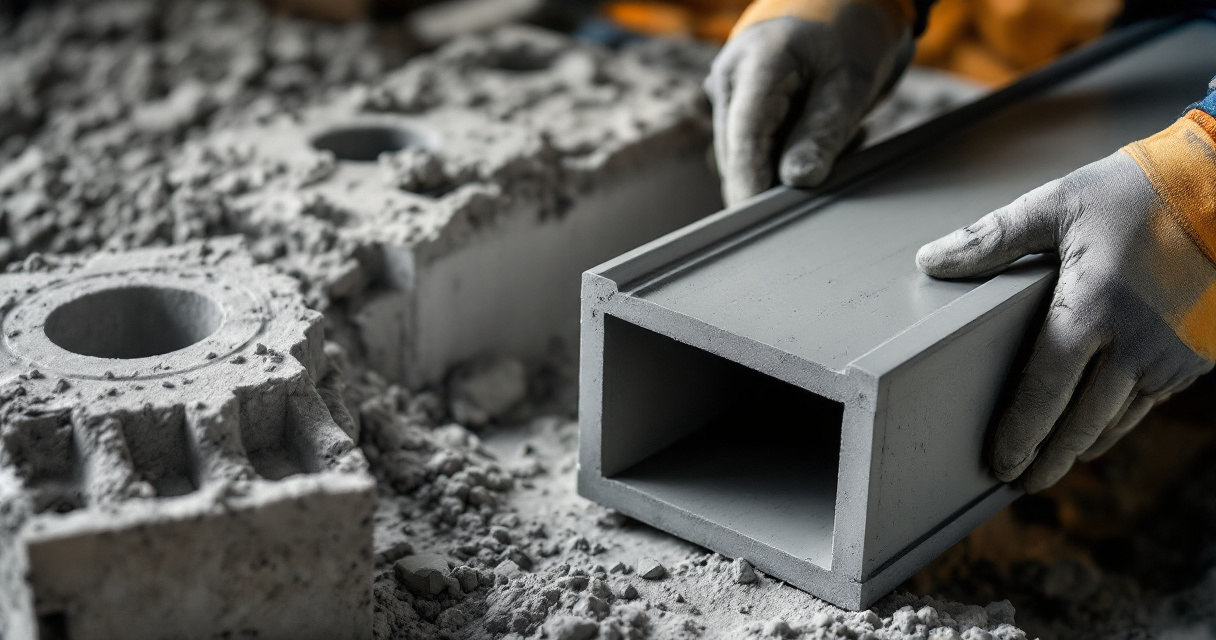
Precast products often sell on appearance as much as strength. Fair-faced panels, garden products, coloured paving, terrazzo-style pieces, and architectural units all show defects quickly. If the release layer is patchy, the product may have stains, bugholes, drag marks, or rough patches.
A better release habit also protects the mould. Steel forms can corrode if stored damp. Timber absorbs oil or water unevenly. Plastic and rubber profiles can swell or lose detail if the wrong chemistry is used.
Key insight: In precast production, the cheapest litre is not always the cheapest release. Cost per good unit matters more than cost per container.
Common surface issues linked to release mistakes
Most finish defects come from film thickness, dirty moulds, or poor product fit rather than the release agent alone.
Watch for these signs:
- Dark staining: too much product, dirty moulds, or incompatible oil.
- Pinholes and bugholes: trapped air, poor vibration, or uneven film.
- Rough faces: dry spots where concrete bonded to the mould.
- Rounded detail loss: over-application in fine mould patterns.
- Paint or coating failure later: residue left on the concrete face.
If your precast products are coloured, the release agent should not interfere with pigments or surface treatments. For decorative floors and concrete colour work, see this guide on how to use concrete oxides for beautiful coloured floors.
How do you choose the right release agent for different moulds?
You choose the right release agent by matching the product chemistry to the mould material, concrete mix, surface finish target, and demoulding method. Steel, timber, plastic, rubber, and fibreglass moulds behave differently, so one yard may need more than one release option.
Kenyan precast yards often work with mixed mould fleets. A block maker may use steel pallets, timber side forms, and rubber detail inserts in the same month. Selection should be practical, not theoretical.
Mould material selection guide
| Mould material | Best-fit release approach | What to check before buying |
|---|---|---|
| Steel | Thin oil-based or chemically active release film | Rust protection, clean finish, low buildup |
| Timber | Product that controls absorption | Staining risk, grain marks, swelling |
| Plastic | Light film with compatibility testing | Warping, residue, slippery handling |
| Rubber | Gentle release chemistry | Swelling, loss of detail, long-term softness |
| Fibreglass | Non-staining, easy-wipe film | Gloss retention, residue, cleaning method |
Start with a small trial on one mould and one product type. Do not test on the most visible order in your yard. Run a short batch, inspect finish, check demoulding effort, then see how much cleaning is needed before the next cycle.
For teams that already source waxes, moulded materials, or industrial chemical inputs, this related guide on sourcing moulded wax for Kenyan industries gives useful supplier evaluation ideas.
Questions to ask your supplier before ordering
A supplier should help you match the release agent to your real production conditions.
Ask:
- Is it suitable for precast or only general formwork?
- Can it be used on steel, timber, plastic, rubber, or fibreglass?
- Will it affect paint, polish, coating, or tile adhesive later?
- What application rate is recommended?
- How should opened containers be stored in Kenyan heat?
- Is technical support available if finish defects appear?
How should precast yards apply release agents correctly?
Precast yards should apply release agents as a thin, even film on clean moulds, then remove puddles before placing concrete. Correct application reduces sticking, staining, buildup, and wasted product.

Application is where many yards lose money. Too little product causes bonding. Too much creates marks, dust attraction, soft edges, and extra cleaning. The right method feels almost boring: clean, thin, even, repeat.
For broader construction chemical planning, including waterproofing and slab protection, review construction chemicals for waterproofing bathrooms and balconies in Kenya.
Simple application checklist for a busy yard
Use this quick routine before every casting cycle:
- Clean first: remove hardened concrete and dust.
- Apply lightly: use a brush, cloth, roller, or sprayer suited to the mould.
- Avoid pooling: wipe corners, grooves, and bolt holes.
- Keep tools separate: do not mix release tools with diesel, curing agents, or cleaners.
- Check first pieces: inspect the first demoulded units before running a full day.
- Record results: note mould type, product used, dilution if any, and finish quality.
The 2021 systematic review on construction and demolition waste management notes that stakeholder practices influence waste outcomes in construction projects Buildings, 2021. In a precast yard, fewer rejected pieces means less waste, less rework, and better use of cement, aggregates, water, and labour.
What should Kenyan buyers expect from release agents in 2026?
Kenyan buyers in 2026 should expect release agents to support cleaner demoulding, consistent finish quality, safer handling, lower mould maintenance, and better production planning. The market is moving toward products that reduce waste, protect assets, and fit more controlled factory-style precast workflows.
Demand for repeatable precast quality is growing as contractors, estates, institutions, and road works look for faster installation. At the same time, buyers are asking better questions about residue, storage, worker handling, and compatibility with coatings or colours.
Research in green manufacturing continues to focus on cleaner processing and material efficiency, as seen in a 2024 review on recycling aluminium for sustainable development Results in Engineering. The lesson for precast is practical: reduce waste at the process level before it becomes a disposal problem.
Thika Wax Works brings long experience in chemicals and allied products to contractors, precast makers, distributors, and industrial buyers across Kenya and East Africa. If you manage several product categories, from construction chemicals to adhesives and housekeeping products, it helps to work with a supplier that understands site realities as well as factory needs.
Buyer checklist for release agent procurement
Before you buy, compare suppliers using production outcomes, not only price.
Look for:
- Consistent batch quality and packaging.
- Clear use guidance for Kenyan site conditions.
- Compatibility with your main mould materials.
- Support for trial batches before bulk buying.
- Sensible storage and handling advice.
- Availability for repeat orders in Nairobi and other Kenyan regions.
Thika Wax Works also serves industrial customers beyond construction. If your business runs packaging, assembly, or bonding lines, the 2026 guide to hot melt adhesives in Kenya may help your procurement team compare related chemical supply needs.
FAQ: Concrete release agents for precast products in Kenya
These quick answers address common questions from Kenyan block makers, precast yards, and contractors comparing release options.
Can I use used engine oil as a release agent?
Used engine oil is a poor choice for professional precast work. It can stain concrete, create health and handling concerns, affect later coatings, and leave inconsistent results. A purpose-made release agent is easier to control and gives you a better chance of repeatable finish quality.
Should release agent be applied thickly for easier demoulding?
No. A thick layer often causes staining, surface dusting, slippery moulds, and detail loss. Most precast applications need a thin, even film. If concrete still sticks after correct application, check mould cleanliness, curing time, concrete mix, vibration, and product compatibility.
Which release agent is best for coloured precast products?
Choose a non-staining product and test it with your pigment, mould, and curing method before full production. Coloured paving, panels, and decorative units show marks quickly, so inspect shade consistency, surface texture, and coating compatibility during a small trial batch.
How often should moulds be cleaned?
Clean moulds every cycle if residue, concrete paste, dust, or buildup is visible. Light cleaning is faster than heavy scraping after several bad cycles. Regular cleaning protects mould detail, reduces release agent waste, and helps maintain a consistent surface finish.
Conclusion
The right concrete release agent for precast products Kenya should make demoulding cleaner, protect your moulds, and help your team produce more saleable pieces with less rework. Start by matching the agent to your mould material, then test on a small batch, check finish quality, and standardise the application routine.
Looking for practical release agent guidance for a Kenyan precast yard or block-making operation? Thika Wax Works has you covered. Visit thikawaxworks.com to discuss the right construction chemical solution for your moulds, product type, and production setup.