

A well-polished terrazzo floor can outlast trend after trend, and that matters in Kenyan homes, schools, offices, hotels, and public buildings. Terrazzo is a composite material made with chips such as marble, quartz, granite, or glass set in a binder, then finished for floor or wall use, according to Wikipedia's definition of terrazzo. In Kenya, where dust, heavy foot traffic, and wet-season grime can wear down floor finishes fast, choosing the right polish is less about looks alone and more about protection, cleaning ease, and lifecycle cost. If you're comparing options for terrazzo polish in Kenya, this guide gives you the practical basics and shows where a supplier like Thika Wax Works fits into the picture.
What terrazzo polish actually does for Kenyan floors
Terrazzo polish protects the surface, improves gloss, and makes routine cleaning easier, but it does not fix deep structural damage or poor installation. That distinction saves money because many floors need cleaning, honing, or sealing before any shine product goes on.
In practical terms, polishing can mean two related things:
- Mechanical polishing: grinding and refining the surface with abrasives until it becomes smoother and more reflective
- Topical polishing: applying a polish or finish that boosts appearance and adds a wear layer
- Maintenance buffing: restoring shine between major treatments
Kenyan sites often deal with red soil, sandy dust, and frequent mopping in commercial spaces. Those conditions make surface protection important, especially in entrances, corridors, receptions, and institutional buildings.
Key takeaway: A glossy floor starts with surface condition first, then the right maintenance product.
Quick definition guide
| Term | Meaning | Best use |
|---|---|---|
| Cleaning | Removing dirt, grease, and residues | Before any treatment |
| Honing | Smoothing a worn surface with abrasives | Dull or scratched terrazzo |
| Sealing | Reducing stain absorption | New or porous floors |
| Polishing | Increasing shine and clarity | Appearance and easier upkeep |
| Buffing | Light shine restoration | Ongoing maintenance |
A good rule is simple: if the floor is stained, pitted, or uneven, polish alone won't deliver the finish you want. For related maintenance thinking across busy facilities, the guide on protective floor polish for schools, hospitals and offices in Kenya is useful reading.
Historic and civic spaces remind us why terrazzo remains relevant. Nairobi's McMillan Memorial Library is one of the city's best-known old public institutions, and buildings of that era show why durable floor finishes still matter in Kenya.
How to choose the right terrazzo polish in Kenya
The best choice depends on traffic level, cleaning routine, slip expectations, and whether the floor is old or newly restored. A house in Kiambu, a hospital corridor in Nairobi, and a hotel lobby in Mombasa do not need the same finish.
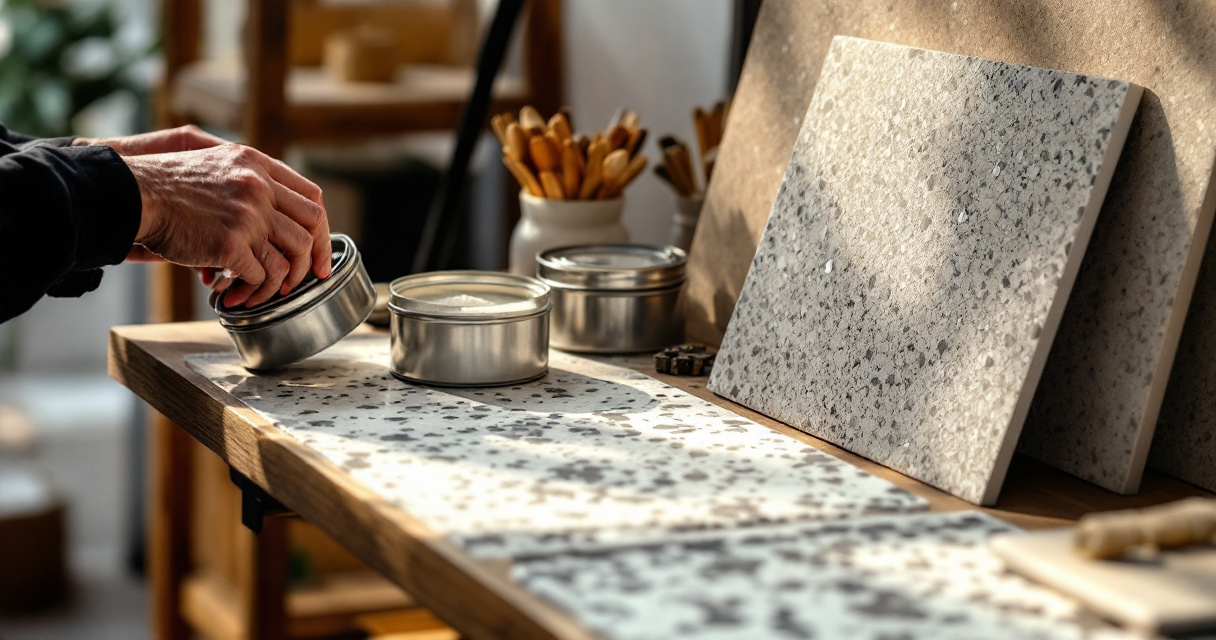
What to check before you buy
- Surface condition: New terrazzo may need sealing first, while older floors may need grinding or stain removal.
- Traffic load: High-traffic areas need better wear resistance and more frequent buffing.
- Finish preference: High gloss looks premium, but satin finishes can hide dust and swirl marks better.
- Cleaning chemistry: Harsh acids and strong alkaline cleaners can shorten finish life.
- Drying time and downtime: Commercial sites care about how fast areas can reopen.
Simple product comparison table
| Need | What works best | Watch out for |
|---|---|---|
| Home living room | Easy-maintenance shine product | Over-applying and streaks |
| School corridor | Durable protective coat with routine buffing | Slippery buildup from poor cleaning |
| Hotel lobby | High-clarity finish plus scheduled maintenance | Visible scuffs in heavy traffic |
| Hospital passage | Low-odor product, easy cleaning, controlled slip | Strong-smelling formulas during working hours |
A smart buying process also means thinking beyond one tin or drum. You need matching cleaners, pads, and a maintenance plan. That same supplier mindset shows up in adjacent categories too, such as how to choose a bulk wax supplier in Nairobi and industrial floor cleaner systems for factories and warehouses in Kenya.
Thika Wax Works is relevant here because its construction and maintenance range serves buyers who want practical chemical solutions, not just a one-off product. If you prefer to compare ranges directly, you can also browse more on thikawaxworks.com.
The polishing process that gives better results
Good terrazzo results come from preparation, not shortcuts, and most shine problems start with dirt left under the finish or polishing a damaged floor. If you want a clear, long-lasting look, the steps matter more than rushing to the last coat.
A practical step-by-step process
- Inspect the floor for cracks, hollow spots, stains, wax buildup, and uneven wear.
- Deep clean to remove oils, dust, and old residues.
- Repair where needed so defects do not show through after polishing.
- Hone or grind if the floor is badly worn or scratched.
- Seal if required based on porosity and product instructions.
- Apply polish evenly in thin coats, allowing proper drying time.
- Buff or burnish if the system calls for it.
- Set a maintenance schedule immediately after completion.
Video walkthroughs worth watching
- How to make terrazzo floors – 3 Phases. 1. Floor prep and divider layout, 2. pouring, 3. polishing
- How to Install Terrazzo Epoxy You Self
These videos are not Kenya-specific, but they make one point very clear: polishing is the final stage of a bigger flooring system, not an isolated miracle step.
"Quality is never an accident; it is always the result of intelligent effort.", John Ruskin, Quote Investigator reference
That idea fits floor finishing well. Careful prep, the right pad sequence, and enough drying time usually beat flashy promises on the label.
Common mistakes that ruin terrazzo shine
Most terrazzo problems come from wrong cleaning products, poor prep, or unrealistic expectations from a polish alone. Knowing what not to do can save you from expensive rework.
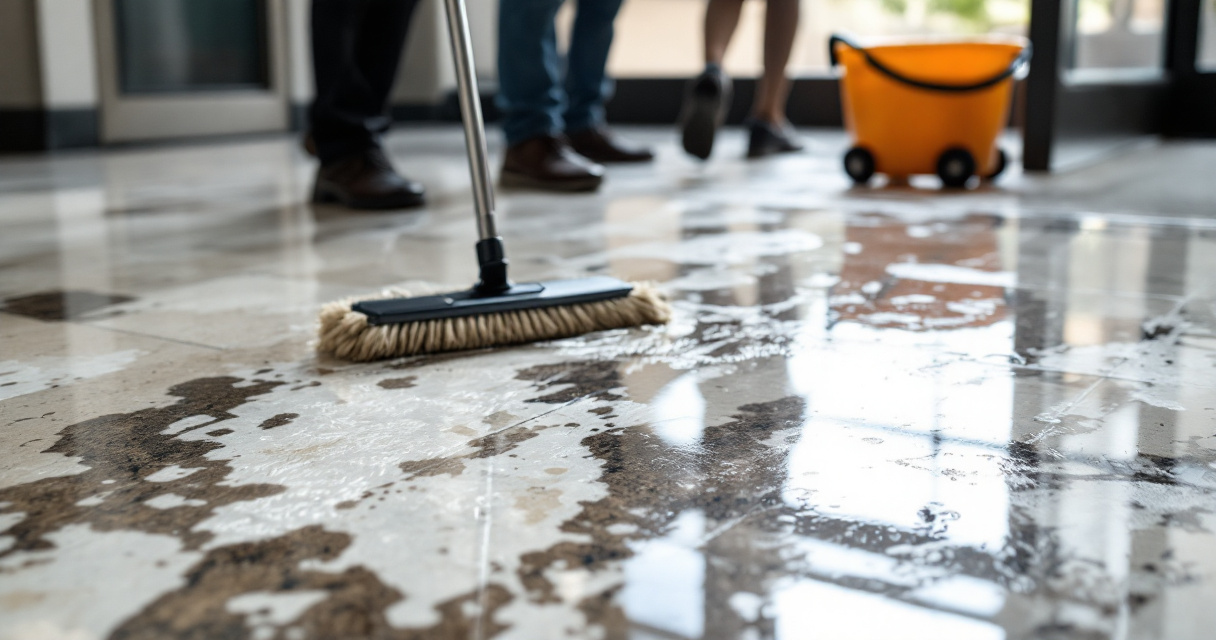
The errors seen most often
- Using acidic cleaners on terrazzo, especially where marble content is present
- Applying thick coats that dry unevenly and trap dirt
- Skipping neutral cleaning before re-coating
- Ignoring entry mats, which increases abrasive dust on the floor
- Confusing polish with sealer, even though they do different jobs
- Waiting too long on maintenance, then trying to restore everything in one pass
Acid sensitivity matters because terrazzo often contains calcium-based stone chips. Harsh chemicals can dull the surface instead of brightening it. That's also why many facility teams separate heavy-duty degreasing from decorative floor care. For example, a kitchen team may need a product like those discussed in the guide to the best degreaser for commercial kitchens in hotels and restaurants Kenya, but that does not mean the same chemistry belongs on polished terrazzo.
What better maintenance looks like
| Problem | Likely cause | Better fix |
|---|---|---|
| Cloudy finish | Residue or over-application | Strip residue, clean, reapply thin coats |
| Fast dulling | Dirt abrasion at entries | Add mats, increase dust control |
| Patchy gloss | Uneven porosity or poor prep | Clean, seal if needed, recoat evenly |
| Slippery feel | Product buildup | Reduce coats and use correct maintenance |
Thika Wax Works can be part of a more disciplined maintenance routine because buyers often need both floor-care products and related construction chemicals under one supplier relationship. That matters for contractors managing multiple materials on site, including coloured finishes covered in this guide to using concrete oxides for beautiful coloured floors in 2026.
What to expect in 2026 and how to buy smarter
Kenyan buyers in 2026 are looking for floor finishes that balance appearance, easier upkeep, and practical site support. The search results for this topic show many service-led pages and direct product listings, but not enough buyer education on matching the product to the floor condition.
That gap creates a simple buying checklist:
A smarter supplier checklist
- Ask whether your floor needs cleaning, sealing, honing, or just polishing
- Confirm coverage rate and drying time for your site conditions
- Check if the product suits homes, institutions, or commercial traffic
- Ask what cleaner should be used afterward
- Buy from a supplier that understands construction and maintenance chemistry together
Kenya-first support matters because climate, dust load, and cleaning habits affect finish life. A Nairobi school, a Mombasa hotel near the coast, and an upcountry office block can all wear differently.
You'll also notice more buyers wanting one dependable source for multiple chemical needs, not only floor polish. That broader procurement logic is why some teams pair floor-care sourcing with related categories such as construction chemicals for waterproofing bathrooms and balconies in Kenya or even packaging and adhesive articles elsewhere on the site.
More product information and related guides are easy to find on thikawaxworks.com, especially if you manage properties, hospitality spaces, or construction supply across Kenya and East Africa.
Conclusion
A lasting terrazzo finish comes from the right sequence: inspect, clean, repair if needed, polish correctly, then maintain on schedule. That approach gives you better shine, easier cleaning, and fewer costly do-overs, whether you manage a home, school, office, hotel, or commercial building in Kenya.
Looking for terrazzo polish in Kenya or advice on matching the right floor-care product to your site? Thika Wax Works has you covered. Visit thikawaxworks.com for more product guidance, or get in touch directly here: Contact Thika Wax Works.