Paper bags are now a mainstream packaging format, and the adhesive choice often decides whether your line runs cleanly or keeps stopping. A paper bag is simply a bag made of paper, usually kraft paper, and it may use virgin or recycled fibres depending on the application, according to Wikipedia. For Kenyan converters and bag makers, cold glue for paper bags manufacturing is still one of the most practical options because it suits paper-to-paper bonding, works well on many bag styles, and supports the wider shift toward paper-based packaging. If you're comparing options, Thikawaxworks is one local name worth knowing, especially if you need supply support that fits East African production realities rather than a generic overseas spec sheet.
What cold glue means in paper bag production
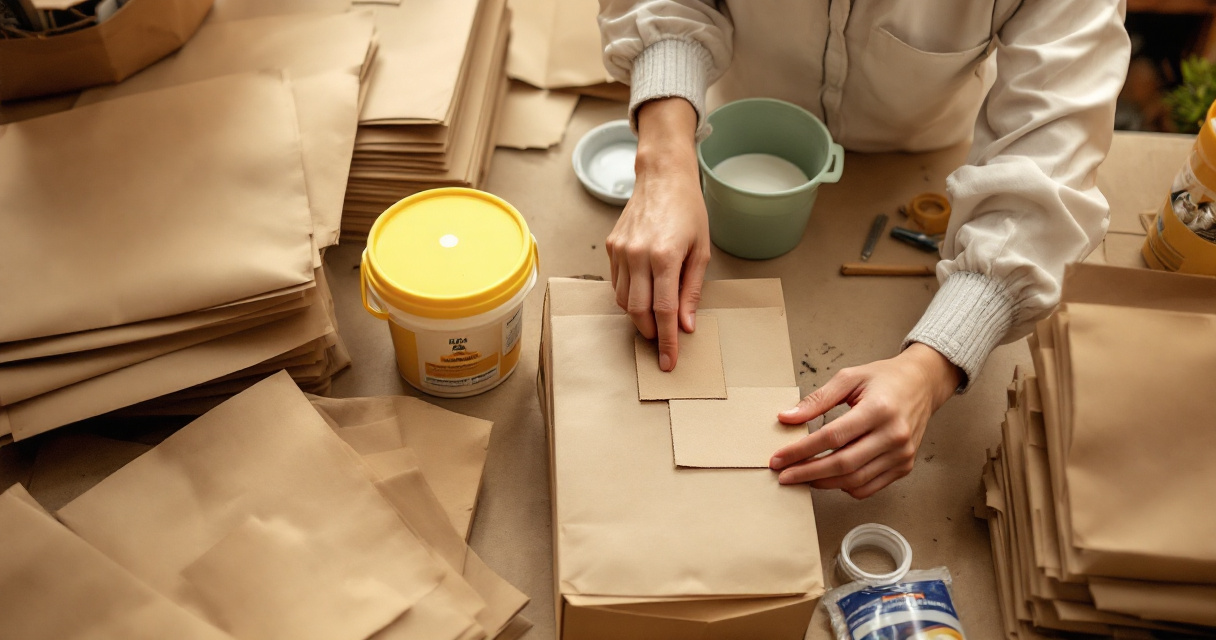
Cold glue is a liquid adhesive applied at room temperature, most often as a water-based system for paper bonding. In bag plants, it is commonly used on side seams, bottom flaps, patch areas, and some handle applications because it wets paper fibres well and can produce a strong bond once water leaves the glue line.
That matters for kraft bag conversion, where adhesive needs to hold without soaking through, stringing badly, or slowing the machine more than necessary. Recent packaging coverage has highlighted cold glue systems for flat-handle and bottom gluing because manufacturers want reliable bead placement and cleaner process control on paper carrier bags, as seen in Packaging and Print Media and top SERP pages focused on paper carrier bag lines.
Key takeaway: Cold glue is usually the default starting point when you need paper-to-paper bonding, recyclable pack formats, and room-temperature application on bag lines.
Where it is usually applied on a bag line
Most plants use liquid adhesive at a few repeatable stations:
- Side seam bonding for tube formation
- Bottom flap closing on flat or satchel-style bags
- Patch gluing for reinforced handle areas
- Handle fixing on selected carrier bag designs
If your team is reviewing line setup, this guide on adhesive application methods for packaging lines gives a useful broader view of nozzles, rollers, and line-fit choices.
When cold glue is the better choice than hot melt
Cold glue is often the better choice when paper is the main substrate and you want easy fibre bonding without heat. Hot melt still has an important place, especially where fast set, heavier loads, or specific machine speeds matter, but liquid adhesive remains a strong fit for many standard paper bag formats.
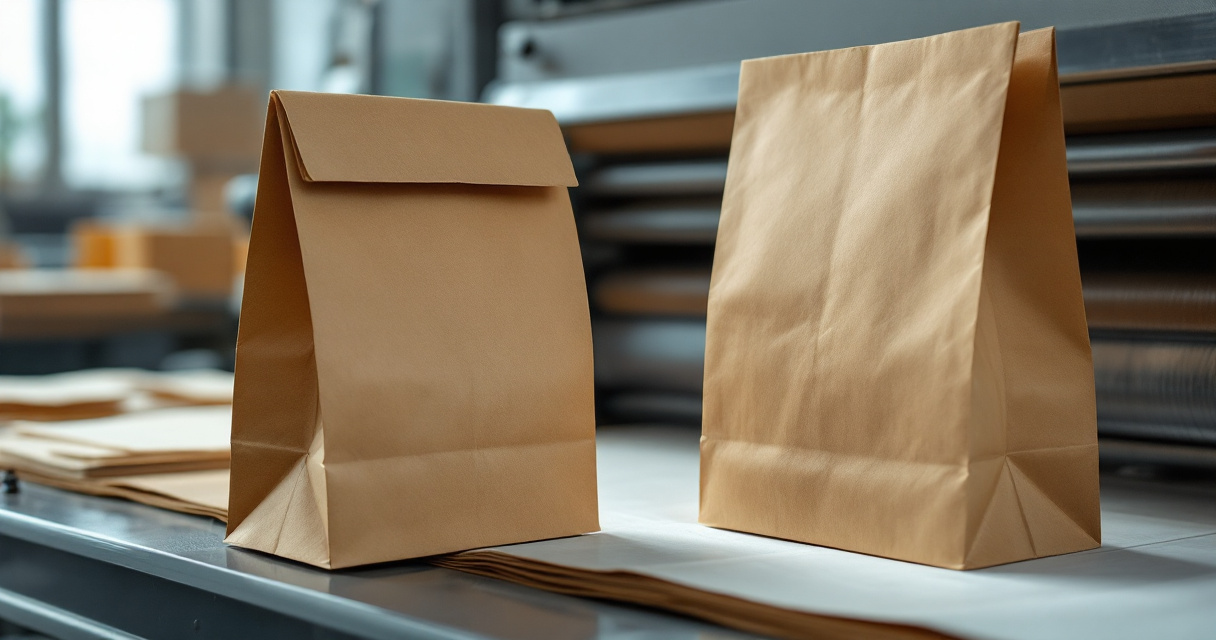
Cold glue vs hot melt for paper bags
| Factor | Cold glue | Hot melt |
|---|---|---|
| Application temperature | Room temperature | Heated system required |
| Best fit | Paper-to-paper seams and flaps | Fast set, some higher-speed or load-sensitive jobs |
| Equipment demand | Simpler on some lines | Needs melter, hoses, heat control |
| Typical bag use | Side seams, bottoms, patches | Selected handles, specialty bonding |
| Main watchout | Drying time and moisture balance | Heat management and char risk |
A fair way to choose is simple:
- Pick cold glue when paper absorbency helps the bond and your process can allow proper drying.
- Pick hot melt when immediate grab or heat-activated speed is the bigger priority.
- Test both if you make multiple SKUs, especially retail carrier bags and heavier grocery formats.
For a deeper comparison, see this internal guide to paper and board adhesives for high-performance bonding and this related article on hot melt adhesives in Kenya for industrial use.
"There is no such thing as away. When we throw anything away it must go somewhere.", Annie Leonard, AZ Quotes
That quote matters here because many brands shifting from plastic to paper also want adhesive systems that support easier material recovery and cleaner paper packaging workflows.
How to choose the right cold glue for paper bags manufacturing
The right adhesive is the one that matches your paper, machine, climate, and bag design, not the one with the nicest brochure. Nairobi and Mombasa factories often deal with changing temperatures, storage conditions, and variable paper input quality, so lab data alone is not enough.
Four checks before you approve a glue
Use these checks before full rollout:
- Paper grade: Virgin kraft and recycled-content paper can absorb adhesive differently.
- Bond location: A side seam does not need the same behaviour as a handle patch.
- Machine speed: Faster lines may need tighter viscosity control and cleaner bead definition.
- Drying conditions: Humidity and stacking time affect final bond strength.
You should also ask whether the bag is for food-adjacent or direct food packaging. If that question applies, review safe adhesives for food packaging or the related guide to a food-grade packaging glue supplier in Kenya.
Common production mistakes to avoid
Most bonding problems come from process mismatch, not from the adhesive alone.
- Applying too much glue and causing warp or slow drying
- Running with inconsistent viscosity
- Ignoring paper dust, which can weaken bond areas
- Stacking bags before the bond has developed enough strength
- Using one glue grade across every SKU without trials
A useful technical backdrop comes from research into bio-based and sustainable packaging materials, which keeps pointing to better material matching and performance testing rather than one-size-fits-all selection, including reviews in Foods and Polymer Bulletin.
How cold glue supports recyclable paper packaging in 2026
Cold glue fits the paper-packaging shift because it is widely used in fibre-based converting and aligns with the push to replace harder-to-recycle formats where possible. That does not make every adhesive automatically sustainable, but it does make water-based paper bonding relevant as more brands move to paper carriers, grocery sacks, and retail takeaway bags.
The wider packaging conversation in 2026 is still shaped by pressure to reduce plastic dependence and improve material recovery. Scholarly reviews on packaging new idea and plastics recycling show why paper-based alternatives keep gaining attention, especially when the full packaging system, not just the outer material, is considered, as discussed in Foods and Green Chemistry.
"Buy less, choose well, make it last.", Vivienne Westwood, Vogue
For packaging buyers, that translates into fewer adhesive failures, fewer rejected bags, and smarter material choices.
Why Kenyan manufacturers are paying more attention now
Demand is coming from supermarkets, bakeries, pharmacies, fashion retail, and food service. Many of these buyers want paper packaging that looks clean, holds its shape, and runs consistently in local packing operations.
If you also convert related paper packaging formats, this guide on the best adhesive for paper straws and paper packaging in Kenya is worth reading. More practical guidance is also available on thikawaxworks.com for packaging buyers who want local context instead of generic export-market advice.
How Thikawaxworks can help paper bag manufacturers in Kenya
A local supplier helps most when you need adhesive advice tied to your actual line conditions, not just a catalogue entry. Thikawaxworks serves Kenyan and East African manufacturers across industrial adhesives and related chemical products, so the conversation can be grounded in substrate, application method, and plant needs.
What to ask a supplier before placing an order
Ask these questions first:
- Which bag areas is this grade designed for, side seam, bottom, patch, or handle?
- What viscosity range is recommended for my machine setup?
- How should we store it in Kenyan warehouse conditions?
- What paper grades has it been used on?
- Can we run a production trial before a larger purchase?
A short trial can save expensive stoppages later. With Thikawaxworks, you can start that conversation locally, and then compare the adhesive choice against your wider converting needs.
Head to thikawaxworks.com if you want to review more industrial adhesive topics first. If your operation may eventually need heated systems as well, the broader knowledge base there helps you compare liquid and thermoplastic options without guessing.
Conclusion
Cold glue for paper bags manufacturing remains a practical choice in 2026 because it fits common paper bonding points, supports fibre-based packaging formats, and works well when matched carefully to paper grade, machine speed, and drying conditions. For most Kenyan bag makers, the smartest move is not choosing the "strongest" glue on paper, but the one that gives clean application, repeatable bonds, and fewer line issues on your actual SKUs.
Looking for paper bag adhesive support in Kenya? Thikawaxworks has you covered. Visit thikawaxworks.com for more guidance, or get specific help for your production line through the Contact Us page.