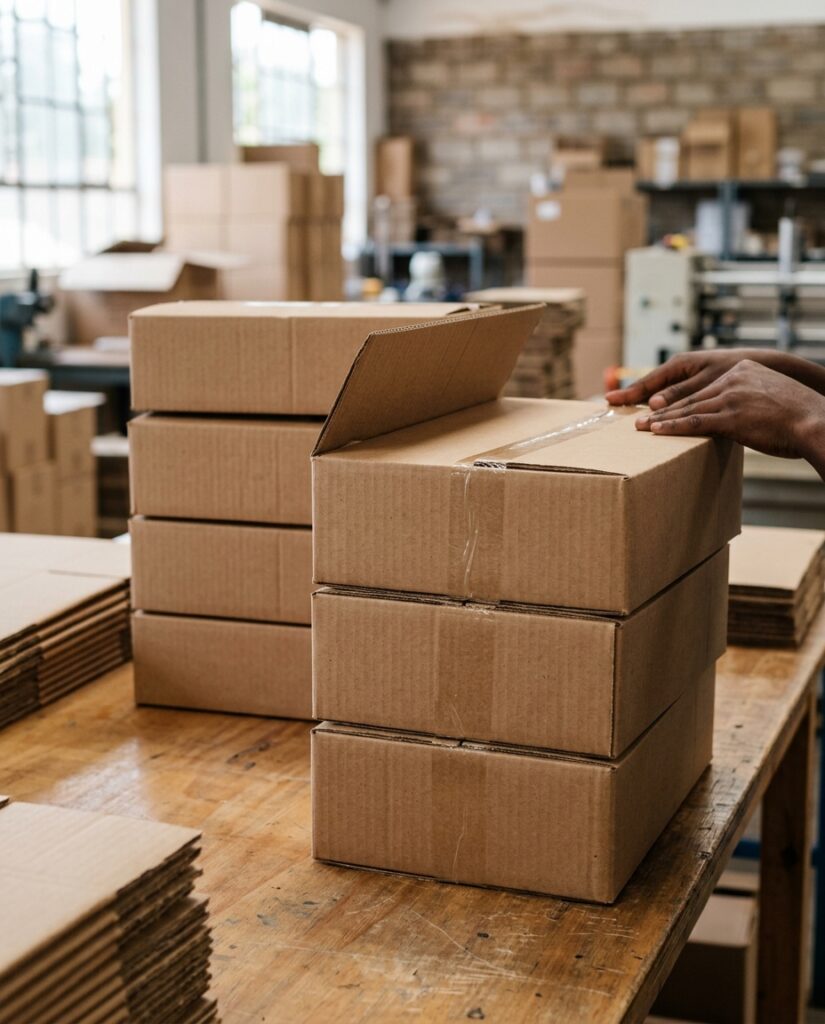
Packaging delays often start with a small problem: glue that doesn't hold, strings on the line, or adhesive stock that arrives late. If you're comparing packaging adhesive manufacturers in Kenya, focus on product fit, line performance, technical support, and reliable local supply. Thika Wax Works serves Kenyan and East African industries with industrial adhesives, waxes, and related chemical products, making it a practical reference point for buyers who need steady production rather than trial-and-error purchasing.
Packaging adhesive: a bonding material used to seal, form, laminate, label, or assemble packaging such as cartons, paper bags, corrugated boxes, wraps, labels, and food packs.
What do packaging adhesive manufacturers in Kenya supply?
Packaging adhesive manufacturers in Kenya supply hot melt adhesives, water-based cold glues, and specialty bonding products for paper, board, corrugated packaging, labels, cartons, and automated packing lines.
The right adhesive depends on your substrate, machine speed, storage conditions, and end use. A Nairobi beverage packer, for example, may need a fast-setting hot melt for carton sealing, while a paper bag producer may need a flexible cold glue that dries cleanly without staining.
For deeper technical reading, see this local guide to hot melt adhesives in Kenya for industrial use.
Common packaging adhesive types and uses
| Adhesive type | Best fit | What to check |
|---|---|---|
| Hot Melt adhesive | Carton closing, case sealing, fast packing lines | Set time, heat stability, viscosity, stringing |
| Water-based cold glue | Paper bags, labels, sleeves, paperboard | Drying speed, fibre tear, clean machining |
| Pressure-sensitive adhesive | Labels, tapes, stickers, promotional packs | Tack, peel strength, surface compatibility |
| Food-packaging adhesive | Paper straws, food cartons, wraps | Compliance, odour, migration risk, application method |
A pressure-sensitive tape, as defined in standard industry usage and reflected by Wikipedia's description of pressure-sensitive tape, sticks when pressure is applied and does not need heat or solvent activation. That makes it different from molten hot melt or liquid cold glue.
Where local manufacturers add value
Local supply matters because packaging lines don't pause politely. When adhesive stock runs out, your cartons, sleeves, or labels may become the bottleneck for an entire dispatch schedule.
Kenyan buyers usually benefit from:
- Shorter lead times for repeat orders
- Easier product trials on local packaging materials
- Faster troubleshooting when nozzles block or bonds fail
- Smaller minimum order discussions than some import channels
- Better fit for Nairobi, Mombasa, Nakuru, and regional distribution realities
How should you choose a reliable adhesive supplier?
You should choose a reliable adhesive supplier by testing the bond on your real packaging material, confirming machine compatibility, checking quality controls, and agreeing on lead times before placing repeat orders.

Don't buy by price per kilo alone. A cheaper adhesive that needs more grams per carton, causes nozzle cleaning downtime, or fails during transport can cost more than a stable product with proper support.
"In God we trust. All others must bring data.", W. Edwards Deming, The Deming Institute
Supplier evaluation checklist for Kenyan packaging buyers
Use this checklist before approving any supplier for production:
- Application fit: Is it made for carton sealing, labelling, paper bags, laminating, or another specific job?
- Substrate testing: Has it been tested on your actual paper, board, film, or coated material?
- Open time: Does it stay workable long enough before compression?
- Set time: Does it bond fast enough for your line speed?
- Heat and storage stability: Will it hold up in warehouse, truck, or coastal conditions?
- Machine compatibility: Does it suit your roller, nozzle, wheel, spray, or manual setup?
- Technical support: Can the supplier help adjust temperature, coat weight, or cleaning routines?
- Supply continuity: Can they meet your monthly usage without repeated stock gaps?
Quality checks that predict real line performance
Good packaging adhesive tests are simple but revealing. Run them before full production, not after customer complaints start.
- Fibre tear test: the paper tears before the glue line separates
- Peel test: labels or flaps resist steady pulling
- Compression test: cartons hold after stacking
- Cold and heat exposure: samples survive realistic storage changes
- Odour check: finished packs do not carry unwanted smell
- Clean-run trial: nozzles, rollers, and tanks stay clean during a normal shift
If your packaging includes paperboard, folding cartons, or corrugated materials, this guide to paper and board adhesives for high-performance bonding gives useful background.
Which adhesive works best for your packaging line?
The best adhesive for your packaging line is the one that bonds your exact material at your actual speed without waste, odour, downtime, or failures during storage and transport.
Hot Melt is usually preferred where fast set speed matters. Cold glue often works well where absorbent paper or board gives time for water to dry. Pressure-sensitive systems suit labels and tapes where instant tack matters more than compression bonding.
Decision table by application
| Packaging job | Likely adhesive choice | Practical buyer question |
|---|---|---|
| Corrugated case sealing | Hot Melt adhesive | Will it set before the carton exits compression? |
| Folding carton side seam | Hot Melt or cold glue | Does it hold after folding, stacking, and transport? |
| Paper bags | Cold glue | Does it dry cleanly without warping or staining? |
| Bottle and jar labels | Cold glue or pressure-sensitive adhesive | Does it stick to glass, plastic, or coated surfaces? |
| Food paper packaging | Approved food-packaging adhesive | Is it suitable for the contact situation and process? |
| Promotional inserts | Fugitive or removable glue | Can the item be removed without tearing? |
For food-related packs, don't guess. Read the local guide to safe adhesives for food packaging in 2026 before approving a formula.
Packaging line setup video
Modern manufacturing decisions are easier when you can see how materials, machines, and bonding steps interact.
For hands-on production planning, this practical article on adhesive application methods for packaging lines covers hot melt, cold glue, tape, and line-fit choices for Kenyan manufacturers.
What should buyers expect from packaging adhesive manufacturers in Kenya in 2026?
In 2026, buyers should expect packaging adhesive manufacturers in Kenya to provide application guidance, consistent batches, faster local support, and clearer suitability information for food, paper, board, and automated packing lines.

The packaging market is moving toward faster production, cleaner application, and better material matching. That doesn't mean every factory needs the most complex adhesive. It means buyers should ask better questions before switching products.
Trends shaping adhesive buying decisions
Several trends are already affecting Kenyan packaging teams:
- More paper-based packaging: brands are asking for paper bags, cartons, sleeves, and paper straws that need reliable fibre bonding.
- Higher line speeds: faster equipment exposes weak set time and stringing problems.
- Food safety scrutiny: food and beverage packers need clearer guidance on adhesive suitability.
- Lower waste targets: clean application reduces rejects, rework, and glue overuse.
- Local sourcing pressure: factories want suppliers who can respond quickly when demand changes.
Research into advanced cellulose applications, such as the 2022 review on cellulose as a functional nanomaterial in the Journal of Materials Science, also reflects the wider shift toward fibre-based materials and new performance demands.
How Thika Wax Works fits local sourcing needs
Thika Wax Works brings long experience in chemicals and allied products to industrial buyers who need practical adhesive support, not just a product label. For packaging teams, that means discussing the material, application method, production speed, and storage conditions before settling on a bonding option.
The Thika Wax Works platform is especially relevant for manufacturers, packaging companies, warehouses, and distributors that need adhesives alongside other industrial or maintenance products. For product discovery and brand recall, you can also visit thikawaxworks.com directly.
FAQ: packaging adhesive buying in Kenya
Packaging adhesive buying in Kenya is easiest when you match the glue to the material, machine, product safety needs, and delivery schedule before ordering in bulk.
What is the most common packaging adhesive for carton sealing?
Hot Melt adhesive is commonly used for carton sealing because it sets quickly and suits fast packaging lines. The main checks are application temperature, set time, viscosity, and whether the carton stays closed after stacking, transport, and warehouse storage.
Can one adhesive work for all packaging materials?
One adhesive rarely works well for every packaging material. Paper, coated board, plastic film, labels, and corrugated cartons behave differently. A supplier should test your actual substrate and recommend a product based on bond strength, drying time, machine setup, and finished-pack performance.
How do I know if an adhesive is suitable for food packaging?
Food packaging adhesives should be selected based on the pack design, whether there is direct or indirect food contact, process temperature, odour, and compliance requirements. Always ask the supplier for suitability guidance before using any adhesive near food or beverage packaging.
Why buy from a local adhesive manufacturer or supplier?
Local sourcing can reduce lead-time risk, simplify trials, and make technical support easier when a production line has bonding issues. Kenyan manufacturers also benefit from suppliers who understand local materials, warehouse conditions, transport routes, and urgent replenishment needs.
Conclusion
Reliable packaging starts with the right bond. Before you choose between packaging adhesive manufacturers in Kenya, test the adhesive on your actual material, confirm open time and set time, check machine fit, and agree on repeat supply terms.
Looking for packaging adhesives in Kenya for cartons, paper bags, labels, or food-related packs? Thika Wax Works can help you review the right bonding option for your application. Start with the product guidance on thikawaxworks.com or speak to the team about your packaging line requirements.