
Carnauba wax suppliers in Kenya are serving a growing mix of polish makers, manufacturers, packaging users, and specialty finish buyers who need a hard natural wax that performs consistently. Known as the "queen of waxes," carnauba comes from the leaves of the Brazilian palm Copernicia prunifera and is widely used where high gloss, hardness, and a higher melting point matter, based on the general definition summarized from Wikipedia. If you're buying in Nairobi, Mombasa, or for wider East African distribution, the smart move is to check grade, form, lead time, and technical fit, not just cost per kilo. For businesses that want an established local source, Thika Wax Works is one of the Kenyan suppliers with a broader wax and industrial chemicals portfolio, which matters when your application may also need blends, packaging support, or related materials.
What carnauba wax is, and why Kenyan buyers use it
Carnauba wax is a hard natural wax used when you need shine, surface protection, and better heat resistance than many softer waxes can offer. In practical terms, that makes it relevant for polishes, coatings, specialty blends, cosmetics, food-contact uses where the specification allows, and some industrial finishing systems.
The reason buyers ask for it is simple: it creates a firm, glossy film. That helps on floors, leather finishes, furniture care products, and certain protective formulations sold in Kenya's industrial and retail channels.
"All that glisters is not gold.", William Shakespeare, The Merchant of Venice, Act 2 Scene 7
That old line fits wax buying surprisingly well. A shiny result matters, but the source, grade, and formulation behind the shine matter more.
Key properties buyers usually want
- High gloss for premium finish products
- Hardness for durability and buffability
- Higher melting point than many common waxes
- Blend compatibility with other waxes and additives
- Natural origin for brands that prefer plant-derived inputs
Kenyan buyers often compare it with alternatives such as paraffin and microcrystalline wax. If your use case needs flexibility or tack rather than hardness, a different wax may fit better. For a useful comparison on related materials, see this guide to microcrystalline wax uses.
A quick definition table for buyers
| Term | Meaning | Why it matters when sourcing |
|---|---|---|
| Carnauba wax | A natural wax from the leaves of Copernicia prunifera | Best known for hardness and gloss |
| Grade | Quality classification based on purity, color, and intended use | Affects finish, consistency, and price |
| Flakes or powder | Physical form supplied to buyers | Changes handling, melting, and mixing speed |
| Blend | Carnauba mixed with other waxes or additives | Can improve cost or application fit |
For companies already buying waxes in bulk, this related article on choosing a bulk wax supplier in Nairobi gives a broader sourcing checklist.
Why form matters in day-to-day production
The supplied form affects your production speed as much as the chemistry does. Powder and small flakes usually melt or disperse faster than large blocks, while blocks may suit buyers who reprocess wax centrally.
That sounds minor until you're running a plant or mixing room with fixed batch times. A supplier that can match the wax form to your process can save real time.
How to evaluate carnauba wax suppliers in Kenya before you buy
The best supplier is the one that matches the wax to your application, documents the product clearly, and can deliver consistently. Many buyers focus on price first, but poor fit shows up later as haze, poor buffing, slow melting, or uneven finish.

Start with product fit. Ask what industries the supplier regularly serves, whether they stock multiple wax types, and whether they can advise on blending or substitution if supply changes.
Supplier checklist for Kenyan businesses
- Confirm the grade and intended application.
- Ask for the form: flakes, powder, granules, or blocks.
- Check pack sizes that suit your batch volume.
- Request technical information on melting behavior and compatibility.
- Ask about lead times for Nairobi, upcountry delivery, or Mombasa dispatch.
- Verify continuity of supply for repeat orders.
- Test a sample batch before full rollout.
Another smart sign is category breadth. Suppliers that also handle related industrial inputs tend to understand process compatibility better. If your operation also uses bonding products in cartons, paper, or assembly, you may want a partner familiar with both waxes and adhesive systems, such as this article on hot melt adhesives in Kenya.
Key insight: A cheap wax that disrupts production is usually more expensive than a correctly specified wax delivered on time.
Buying locally also helps when you need quick replenishment, technical clarification, or mixed orders. That's one reason many procurement teams prefer a Nairobi-based source over a distant trader with limited stock visibility.
Questions to ask before issuing a purchase order
A short supplier call can prevent long production headaches. Ask whether the wax is straight carnauba or part of a blend, whether color variation occurs between batches, and what storage conditions they recommend for Kenyan temperatures.
Also ask how they handle repeat specs. Good suppliers make reordering easy because your second batch should behave like your first.
Which industries in Kenya commonly buy carnauba wax
Kenya's demand comes mainly from polish, finishing, personal care, specialty manufacturing, and selected packaging-related uses. The wax is not for every factory, but where gloss and hardness matter, it earns its place.
Floor and surface care is one obvious segment. A harder wax can help produce a durable finish in commercial environments, especially where appearance matters in schools, offices, hospitals, and hospitality spaces. If that's your area, this article on protective floor polish for schools, hospitals and offices in Kenya is useful background.
Common Kenyan use cases
- Floor and furniture polishes
- Leather and shoe care products
- Automotive and specialty surface waxes
- Cosmetic and personal care formulations
- Industrial wax blends
- Selected coating and packaging applications
Some buyers also use it alongside adhesives or coatings in broader conversion and packaging operations. Where the production line includes cartons, paper, or food packaging, sourcing decisions often overlap with adhesive compliance and process temperature. For that side of the workflow, see food-grade packaging glue supplier in Kenya.
Scholarly context on handling and movement
A 2021 paper on production, storage, and transportation of biomedicines highlights the wider importance of material handling conditions in supply chains, especially where product stability matters: Pattanayak, The Open COVID Journal. While that paper is not about carnauba wax specifically, the supply-chain lesson still applies: storage and transport conditions affect usable quality.
That matters in Kenya because climate, transit time, and warehousing conditions vary widely between counties.
Where local knowledge matters most
Kenyan operating conditions shape how buyers should source and store wax. Coastal humidity, inland heat, and different warehouse standards can affect packaging, handling, and contamination risk.
A supplier that understands local delivery conditions is often easier to work with than one that only quotes ex-warehouse and leaves the rest to you.
How Thika Wax Works handles wax sourcing for Kenyan industry
Thika Wax Works stands out by offering waxes within a wider industrial supply context, which is useful for buyers who need more than a single product line. That broader range matters for contractors, manufacturers, facility teams, and distributors who prefer fewer supply gaps across related categories.
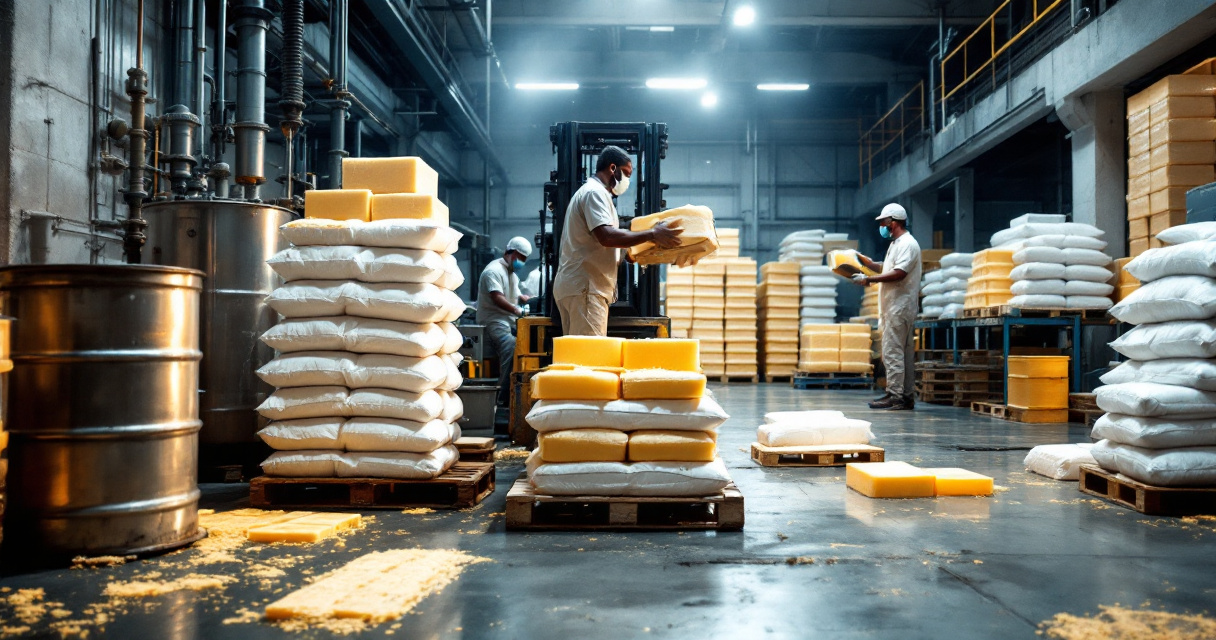
The company is Nairobi-based and has more than 60 years of experience in chemicals and allied products, according to the brand information provided for this article. That kind of history does not replace technical checking, but it does suggest market familiarity and long-term supply relationships.
What buyers may value from a broad supplier
| Need | Why it matters | How a broad supplier helps |
|---|---|---|
| Wax availability | Repeat production depends on continuity | Easier reordering and alternatives if specs change |
| Related materials | Many factories buy more than wax | One-source coordination across product lines |
| Local support | Questions come up after delivery | Faster follow-up in Kenya |
| Industry experience | Different sectors need different advice | Better fit for construction, manufacturing, and facility care |
Thika Wax Works also speaks to buyers who operate across sectors, not just wax processing alone. A distributor may source waxes, cleaning chemicals, adhesives, and construction products from the same business, which simplifies procurement. You can read more on thikawaxworks.com if you want to see the wider category range before requesting a quote.
Practical takeaway: If your business buys wax as part of a bigger operations basket, supplier breadth can save time even when the wax itself looks similar on paper.
Who should consider this route
A broad local supplier is usually the better fit for repeat buyers, distributors, and operations teams with mixed procurement needs. That includes polish makers, facility product resellers, industrial distributors, and manufacturers who may need waxes today and adhesives or cleaners next month.
If your buying pattern is small and occasional, pack size and availability may matter more than a long approved-vendor process.
What to expect in 2026 and how to place a smarter order
The 2026 buying trend is toward reliable local supply, tighter specification control, and multi-product procurement from trusted Kenyan partners. That shift makes sense because businesses are trying to reduce delays, avoid mismatched inputs, and simplify purchasing.
You don't need a complicated sourcing process, but you do need a clear one.
A simple ordering process that works
- Define the exact application and finish you want.
- Ask for the grade and physical form that matches your process.
- Start with a test quantity if the formulation is new.
- Confirm repeat-order lead time and packaging.
- Document the approved spec for future batches.
For readers also comparing wax formats, this guide to sourcing moulded wax for Kenyan industries is a useful next read.
Kenya's industrial buyers are getting more careful, and that's a good thing. Better sourcing usually means fewer production surprises, better finish quality, and less waste. If you're looking for carnauba wax suppliers in Kenya, keep your shortlist focused on technical fit, supply continuity, and local responsiveness, not price alone.
Thika Wax Works has you covered if you want a local conversation about wax supply and related industrial products. For the next step, visit thikawaxworks.com or get in touch here: https://www.thikawaxworks.com/contact-us/.
Final buying reminder
A sample test beats a sales promise every time. Approve the wax in your real process, on your real substrate, before committing to larger volumes.
That one step can save money, protect finish quality, and make your supplier relationship much smoother.
Conclusion
Finding the right carnauba wax supplier in Kenya comes down to fit, consistency, and local support. Carnauba is valuable because it offers hardness, gloss, and a natural-wax profile, but those benefits only show up when the grade, form, and delivery setup match your operation. If you want a Kenyan supplier that understands waxes within a wider industrial context, Thika Wax Works is a practical place to start. Looking for carnauba wax or related wax products in Kenya? Thika Wax Works has you covered, get in touch here: https://www.thikawaxworks.com/contact-us/.