A driveway in Kenya takes more punishment than many people expect, hot sun in Nairobi, coastal moisture in Mombasa, muddy tyres in the rains, and oil drips all year round. The best concrete sealer for driveways in Kenya is usually one that matches your driveway's condition and finish goal, not just the cheapest tin on the shelf. In simple terms, a concrete sealer is a product applied to concrete to protect it from surface damage, corrosion, and staining by either blocking pores or forming a protective layer, based on the Wikipedia definition of concrete sealer. If you're comparing options for a home, rental property, or commercial site, Thika Wax Works is worth considering because the company has long experience in construction chemicals and surface-care products for the Kenyan market. For related slab performance, you can also read Best Concrete Curing and Enhancing Products for Durable Slabs in Kenya.
What makes a driveway sealer the right choice in Kenya
The right driveway sealer in Kenya should resist water, reduce staining, handle UV exposure, and suit the finish you want. That sounds basic, but it rules out many poor-fit purchases.
A Kenyan driveway often deals with alternating wet and dry cycles. Water gets into unsealed concrete, then dirt, salts, and oils follow. On sloped driveways, tyre wear and rainwater runoff also increase surface stress. A good sealer slows absorption and makes cleaning easier.
Key takeaway: For most outdoor driveways, protection comes first, shine second. If you choose purely for appearance, you may shorten service life.
Another practical point is surface age. New concrete needs proper curing before sealing, while older concrete may need cleaning, repairs, or stain removal first. If your project also includes coloured finishes, How to Use Concrete Oxides for Beautiful Coloured Floors in 2026 gives useful background on appearance and surface treatment planning.
The local conditions that matter most
Kenya-first buying means checking four things:
- Rain exposure: important in high-rain areas and properties with poor drainage
- Sun and UV: important for clear film-forming products that can fade or wear faster
- Traffic load: family cars need less than apartments, offices, or mixed-use compounds
- Staining risk: oil, red soil, tyre marks, and cleaning chemicals all matter
If your driveway sits inside a larger facility, your maintenance team may also benefit from broader cleaning guidance such as Industrial Floor Cleaner for Factories and Warehouses in Kenya.
Penetrating vs acrylic sealers for Kenyan driveways
Penetrating sealers are usually the best all-round choice for outdoor Kenyan driveways that need long-term water repellence without a glossy look. Acrylic sealers are better when appearance and a richer surface colour matter more.
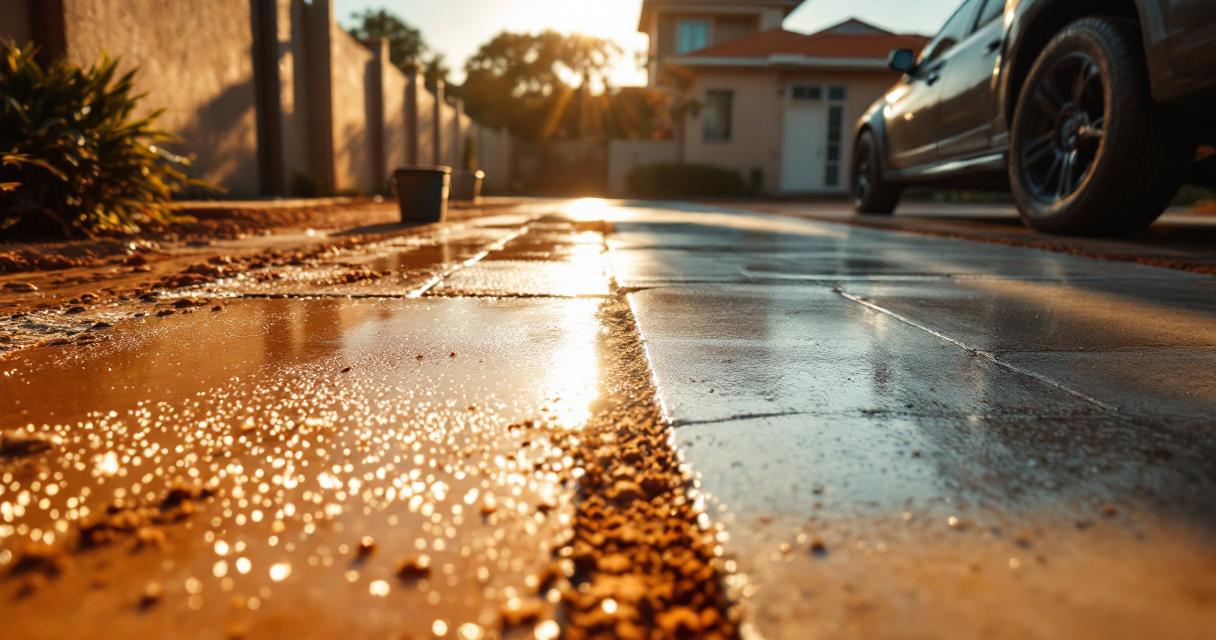
Penetrating sealers, often based on silane or siloxane chemistry, soak into the concrete and reduce water absorption below the surface. They don't usually create a visible film, so the finish stays natural. That makes them popular for people who say, "I want protection, not shine," which matches common buyer intent in current search results.
Acrylic sealers sit closer to the surface and can leave a matte, satin, or glossy finish. They can improve colour and make a driveway look fresher, but surface films may need more frequent reapplication in harsh sun or under heavy turning traffic.
Quick comparison table
| Sealer type | Best for | Finish | Main strength | Main caution |
|---|---|---|---|---|
| Penetrating silane/siloxane | Outdoor driveways, exposed concrete | Natural, low-sheen | Strong water repellence | Less visual enhancement |
| Acrylic solvent or water-based | Decorative or coloured driveways | Matte to glossy | Improves appearance | Can wear faster on busy entries |
| Hybrid protective systems | Mixed performance needs | Varies | Balances looks and protection | Product matching matters |
"There are no such things as maintenance-free or re-sealer-free surfaces.", Concrete Network editors, Concrete Network
That quote is worth keeping in mind. No sealer is forever, especially on driveways that carry vehicles daily.
A useful video before you buy
This side-by-side video gives a clear visual explanation of the difference between penetrating and acrylic products:
How to choose the best concrete sealer for driveways in Kenya by driveway type
The best product depends on whether your driveway is plain concrete, coloured concrete, block paving, or an older worn slab. Matching the sealer to the substrate saves money and reduces peeling, whitening, or uneven results.
New plain concrete usually benefits from a breathable penetrating sealer once curing is complete. Breathable matters because trapped moisture can create problems in film-forming coatings. Older driveways with light dusting or minor porosity also tend to respond well to penetrating products after proper cleaning.
Coloured or decorative surfaces often need a different approach. If visual richness matters, a compatible acrylic may be the better fit, especially where owners want a "finished" look near entrances or landscaped homes. For paving aesthetics, Concrete Oxide Colors for Paving Blocks in Kenya: Practical Selection, Mixing, and Quality Control Guide is a useful related read.
Simple selection checklist
- Choose penetrating sealer if your goal is water resistance and a natural look.
- Choose acrylic sealer if your goal is colour enhancement or light sheen.
- Check breathability for outdoor slabs exposed to ground moisture or frequent rain.
- Confirm surface readiness before buying, dirty concrete ruins even good products.
- Buy for traffic level, not just price per litre.
One smart buying habit is to think in systems, not single products. Contractors who already plan curing, enhancement, and waterproofing together often get better long-term results than those who seal as an afterthought.
How Thika Wax Works handles this
Thika Wax Works serves contractors and property managers who need practical construction chemical solutions, not guesswork. Because the company works across waterproofing, concrete enhancers, coatings, polishes, oxides, and related supplies, it's easier to match the sealer decision to the wider surface system.
That matters when your driveway is part of a broader project with slabs, paving blocks, coloured concrete, or adjacent waterproofed areas. You can explore more product context on thikawaxworks.com if you want to compare construction and maintenance categories in one place.
Application mistakes that shorten sealer life
Most driveway sealer failures come from poor prep and wrong application timing, not from the sealer category alone. This is where many property owners lose money.
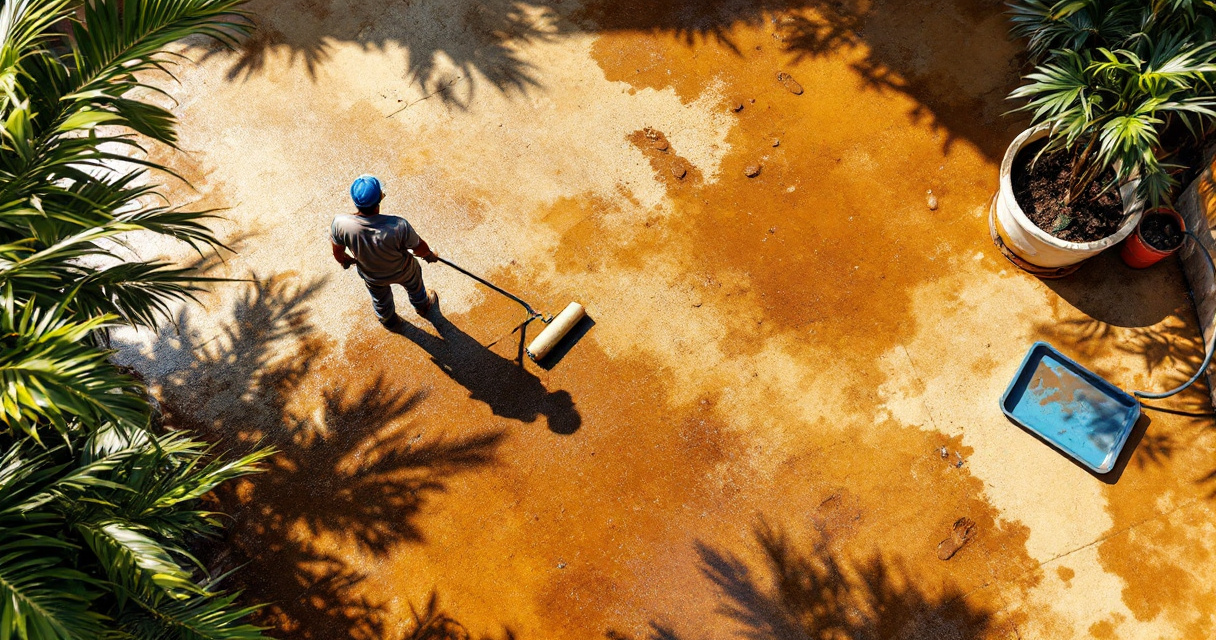
Applying over dust, laitance, grease, or damp concrete reduces adhesion and penetration. Sealing just before rain, or during very strong midday heat, also affects performance. Even a good product can fail early if the slab was not cleaned and dried properly.
Common mistakes to avoid
- Sealing too early before concrete has cured enough
- Skipping cleaning when oil spots or mud are present
- Overapplying product, which can leave patchy or tacky areas
- Using a glossy film sealer where a natural penetrating finish was the better fit
- Ignoring maintenance, especially on busy gates and turning zones
Practical note: If your driveway already shows flaking or whitening from an old coating, solve that first. New sealer on top rarely fixes the underlying problem.
Routine washing also helps extend performance. For larger institutions and mixed-use facilities, the maintenance logic is similar to what Thika Wax Works discusses in areas like cleaning systems and facility care, even though the products themselves differ.
A useful rule is simple: clean, dry, repair, then seal. If you rush the order, you usually pay twice.
Maintenance expectations for 2026 and beyond
Driveway owners in 2026 are asking for lower-maintenance surfaces, but lower maintenance doesn't mean no maintenance. Expect more demand for breathable repellents, easier-clean finishes, and product guidance that combines sealing with slab enhancement from the start.
If you manage multiple property lines or stock building chemicals, How Distributors Can Choose Chemical Products to Stock in Kenya gives a practical supply-side view.
Where to buy and what to ask before you commit
A good supplier should help you match product type, coverage expectations, and application method to your actual driveway. If a seller cannot explain whether a product is penetrating or film-forming, keep asking questions.
For Kenyan buyers, especially contractors and facility teams, these are the best pre-purchase questions:
- What finish should I expect, natural, matte, satin, or glossy?
- Is the sealer meant for outdoor vehicle traffic?
- Does it repel water by penetration or by surface film?
- What surface prep is required?
- When can the driveway return to foot and vehicle use?
Thika Wax Works is a sensible place to start if you want a supplier that understands construction chemicals in the Kenyan context, not just imported product labels. With over 60 years in chemicals and allied products, the company is positioned for buyers who want practical guidance across construction and maintenance categories.
For readers who also manage hospitality or institutional properties, thikawaxworks.com has broader product information beyond concrete care, which can be useful when one procurement team handles many supplies.
Conclusion
The best concrete sealer for driveways in Kenya is usually a penetrating sealer for outdoor protection, while acrylic options make sense when appearance is the bigger priority. Start with your driveway type, traffic level, and finish goal, then make sure prep and application are done properly.
If you're looking for driveway protection or related construction chemicals in Kenya, Thika Wax Works has you covered. Explore the range or get advice for your project here: https://www.thikawaxworks.com/contact-us/.