

Heavy foot traffic can wear out floors faster than most facility teams expect, especially in Kenyan schools, hospitals, and office blocks where dust, moisture, and daily cleaning all hit the same surface. If you're searching for protective floor polish for schools hospitals and offices Kenya, the real question is not just shine, it's protection, cleaning speed, slip control, and how long the finish keeps working between maintenance cycles. Thika Wax Works has served Kenyan users for over 60 years across construction, industrial, and hospitality products, so the topic matters in a very practical way: you want a polish system that suits your floor type, your cleaning team, and your budget. If you also manage broader facility hygiene, it helps to pair floor care with a wider cleaning plan such as this guide to housekeeping chemicals for hotels in Kenya.
What protective floor polish actually does in busy Kenyan buildings
Protective floor polish forms a thin maintenance layer that helps floors resist scuffing, soil pickup, and premature dulling. On hard floors, that layer can make routine cleaning easier because dirt sits on the finish instead of grinding directly into the surface.
A related cleaning tool is the floor scrubber, which Wikipedia describes as a floor cleaning device that can range from a simple mop or brush to walk-behind or ride-on machines that inject water and scrub larger areas. That matters because your polish choice should match the cleaning method you actually use, not the one shown in brochures.
Key takeaway: For schools, hospitals, and offices, the best polish is the one that protects the floor, supports fast daily cleaning, and stays presentable under constant traffic.
A quick comparison by facility type
| Facility | Main floor-care pressure | What the polish should prioritize | Maintenance style |
|---|---|---|---|
| Schools | Dust, shoe marks, corridors, classrooms | Scuff resistance, easy mopping, decent gloss | Frequent light cleaning |
| Hospitals | Hygiene routines, wheeled traffic, spills | Cleanability, controlled shine, compatibility with cleaning chemicals | Daily cleaning and spot response |
| Offices | Appearance, reception areas, chair movement | Professional finish, scratch reduction, easy buffing | Scheduled maintenance |
Kenyan conditions make this more relevant. In Nairobi, Mombasa, and industrial towns, windblown dust and tracked-in grit can shorten the life of a weak finish. A polish that looks good on day one but breaks down fast under repeated mopping usually costs more over time.
If your wider maintenance work includes warehouse or back-of-house spaces, this article on industrial floor cleaner systems for factories and warehouses in Kenya adds useful context.
How to choose the right polish for schools, hospitals, and offices
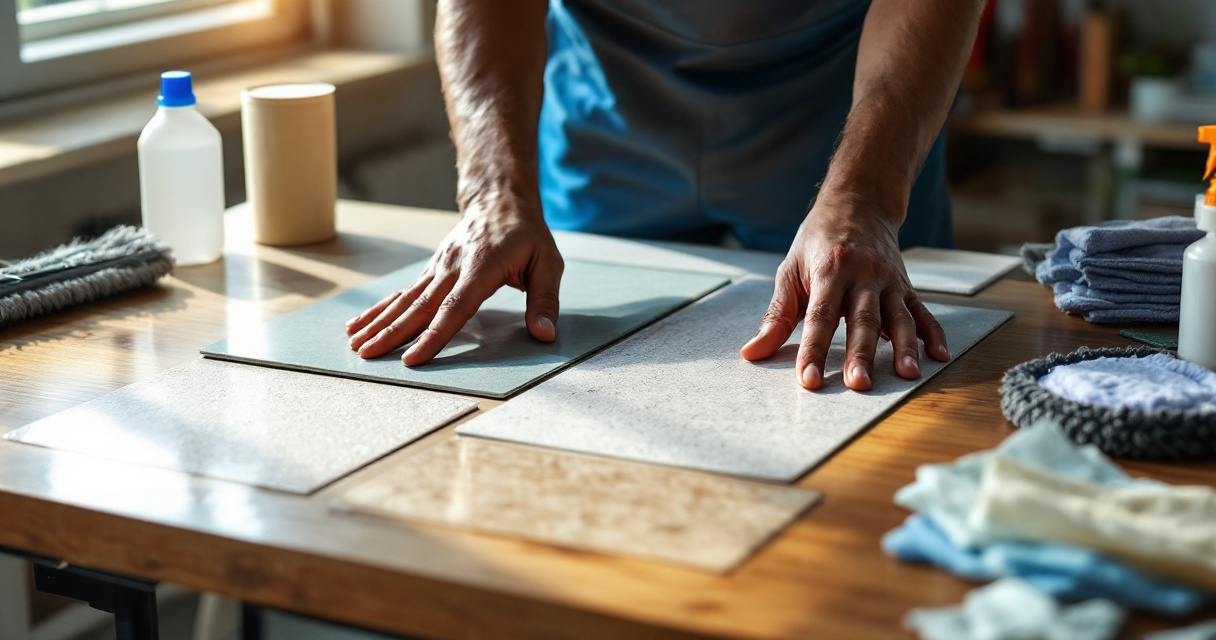
The right polish depends first on the substrate, then on traffic, then on the cleaning routine. Vinyl, terrazzo, sealed concrete, stone, and old cementitious floors all respond differently, so asking for a one-size-fits-all product usually leads to poor results.
The four checks that matter before you buy
- Identify the floor surface: polished concrete, terrazzo, vinyl, stone, or sealed screed.
- Map the traffic pattern: entrances, corridors, waiting bays, nurses' stations, reception zones.
- Review the cleaning chemistry: strong detergents can shorten finish life.
- Confirm the finish goal: high gloss is not always best, especially in clinical spaces.
Hospitals usually need a lower-drama finish than prestige office lobbies. You still want a clean, cared-for look, but not a coating that shows every mark or becomes hard to maintain under constant sanitation routines. For schools, the bigger issue is durability under rough use and quick turnaround between cleaning sessions.
Signs a polish is suitable for your site
- Leaves a uniform film, not patchy streaks
- Dries in a practical time for occupied buildings
- Handles repeat cleaning without turning cloudy fast
- Improves appearance without making defects look worse
- Fits manual mopping or machine scrubbing workflows
"Cleanliness has become more than a personal virtue. It has become a public health requirement.", World Health Organization, WHO public health resources
That quote isn't about polish alone, of course, but it captures the point in hospitals and shared workspaces: appearance and hygiene support each other. On thikawaxworks.com, buyers often look across related maintenance categories for that reason, not as separate tasks.
Application mistakes that shorten polish life
Most polish failures come from poor preparation, not from the product alone. Dust left on the floor, wet patches, soap residue, or rushed recoating can all cause peeling, dulling, and uneven wear.
Common mistakes to avoid
- Applying polish over a dirty or oily surface
- Using too much product in one coat
- Reopening rooms before the film has cured properly
- Mixing products without checking compatibility
- Ignoring entrance mats where grit starts the damage
Thin, even coats usually last better than one heavy coat. In schools and offices, a planned maintenance cycle often beats dramatic strip-and-recoat jobs done only when the floor already looks tired.
Another practical issue is surrounding moisture. If your site has leaking balconies, damp entrances, or wet service areas, floor care alone won't solve the problem. Structural moisture should be handled first, and this guide to waterproofing bathrooms and balconies in Kenya is a useful related read.
Video: surface-prep lessons that also apply to floor finishing
The video is about doors, not floors, but the prep lesson carries over: clean surfaces, correct film build, and patience between coats matter. Those same basics help protective finishes hold up longer.
For older floors, a test patch is worth the time. Apply the polish in a small hidden area, then check adhesion, sheen, and cleaning response after normal use for a few days. That simple step can save you from redoing a whole corridor.
How Thika Wax Works fits a practical floor-care program
A reliable supplier helps you match floor-care products to real site conditions, not generic labels. For Kenyan contractors, facility teams, and procurement officers, that means buying from a company that already understands construction chemicals, maintenance products, and day-to-day use environments.
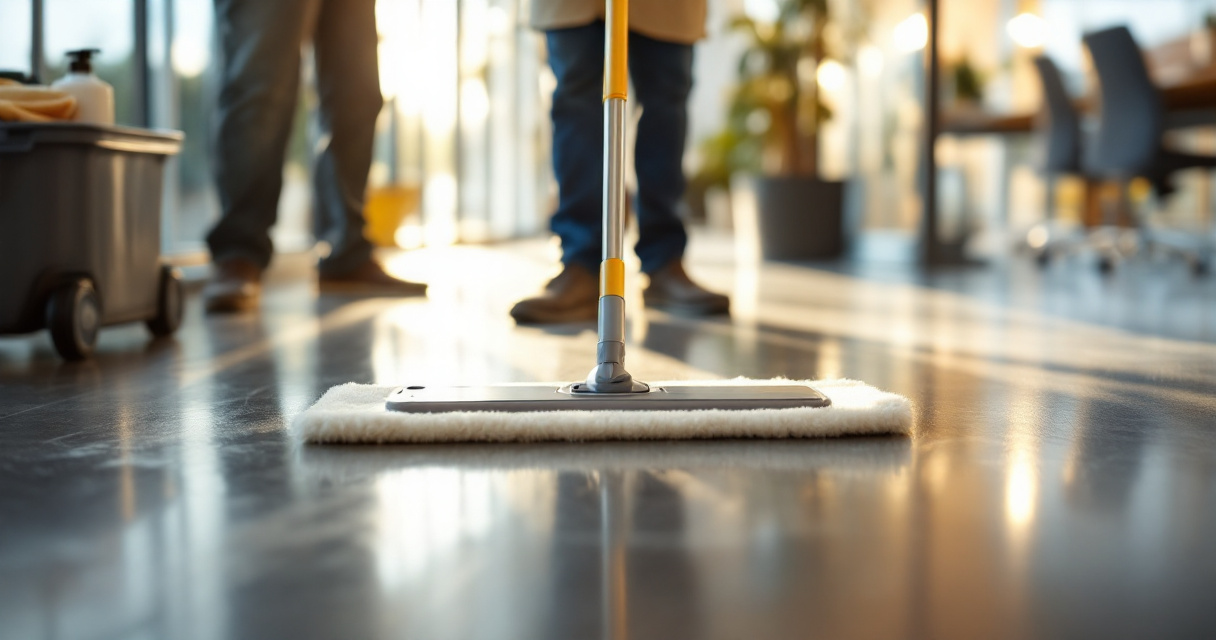
Thika Wax Works is relevant here because the company works across construction, industrial, and hospitality categories, which is useful when your building needs more than one solution at the same time. A school may need floor polish, washroom cleaners, and maintenance supplies; a hospital may also need laundry and hygiene support; an office block may need floor products plus specialty waxes or related maintenance inputs.
Where floor polish sits within wider facility maintenance
| Need area | Why it matters | Related reading |
|---|---|---|
| Floor appearance and protection | Keeps surfaces cleaner-looking for longer | How to choose a bulk wax supplier in Nairobi |
| Hygiene support | Clean floors work best inside a broader sanitation routine | Industrial disinfectant checklist for 2026 |
| Surface finish planning | Some sites combine concrete colour and surface care decisions | Concrete oxides for coloured floors |
With Thika Wax Works, the advantage is practical sourcing from a Kenyan manufacturer and trader that already serves the sectors that use these products most. That local fit matters when you need repeat supply, clear advice, and products that make sense for East African operating conditions.
You can also visit thikawaxworks.com if you want to review the brand's wider construction and housekeeping range before making a buying decision.
What to expect from protective floor polish in 2026 and beyond
Protective floor polish in 2026 is less about dramatic shine and more about maintenance efficiency, safety, and total-life cost. Facility teams are under pressure to clean faster, reduce disruption, and keep public spaces presentable without constant rework.
One useful wider trend comes from e-commerce and supply behavior. In The impact of COVID-19 on the economy and sustainable e-commerce, Nicodemus Kitukutha, László Vasa, and Judit Oláh discuss how the pandemic changed purchasing patterns and accelerated digital buying behavior in many sectors, including B2B sourcing source. For Kenyan buyers, that means faster comparison, but also a bigger need to verify product fit before ordering.
What buyers are prioritizing now
- Easier cleaning, not just higher gloss
- Better fit with machine scrubbing and routine maintenance
- Safer, clearer procurement from established local suppliers
- Product ranges that connect floor care with hygiene and building upkeep
That trend favors suppliers who understand linked categories. A facility manager rarely buys floor products in isolation. The same procurement cycle may cover laundry chemicals, disinfectants, washroom care, or even industrial waxes for other operations.
Forward view: Expect more Kenyan buyers to ask for polish systems that reduce labor time, support scheduled maintenance, and fit bundled facility-care purchasing.
Thika Wax Works is well placed in that kind of buying process because the conversation can move beyond one bottle of polish to a more complete maintenance plan. More broadly, if you're reviewing industrial wax applications, the brand's article on microcrystalline wax uses in industry and home care is another useful reference.
Conclusion
Choosing protective floor polish for schools hospitals and offices Kenya comes down to three things: the actual floor type, the traffic level, and how your team cleans every day. A good finish should protect the surface, make routine maintenance easier, and keep corridors, wards, classrooms, and reception areas looking cared for without constant rework.
If you're sourcing for a school, hospital, office, or multi-site facility in Kenya, Thika Wax Works has you covered. Visit thikawaxworks.com for more product information, or get direct advice through the contact page here: Contact Thika Wax Works.