TL;DR
Wax emulsion helps paper and board packaging resist moisture, improve rub resistance, and handle humid Kenyan storage conditions better. It suits paperboard, corrugated packaging, wrapping paper, and specialty coatings, while adhesives remain better for bonding flaps, seams, and labels.
Humidity, coastal storage in Mombasa, and long warehouse dwell times can weaken paper packaging before goods reach customers. A wax emulsion for paper packaging moisture barrier is a water-based wax coating that helps reduce moisture absorption while improving surface feel, scuff resistance, and sometimes gloss. Wax emulsion: a stable mixture of one or more waxes in water, held together with surfactants so it can be applied like a liquid coating. Nairobi-based Thika Wax Works supports Kenyan and East African manufacturers with waxes, adhesives, and related industrial materials for packaging and production lines.
Table of Contents
What is wax emulsion for paper packaging moisture barrier?
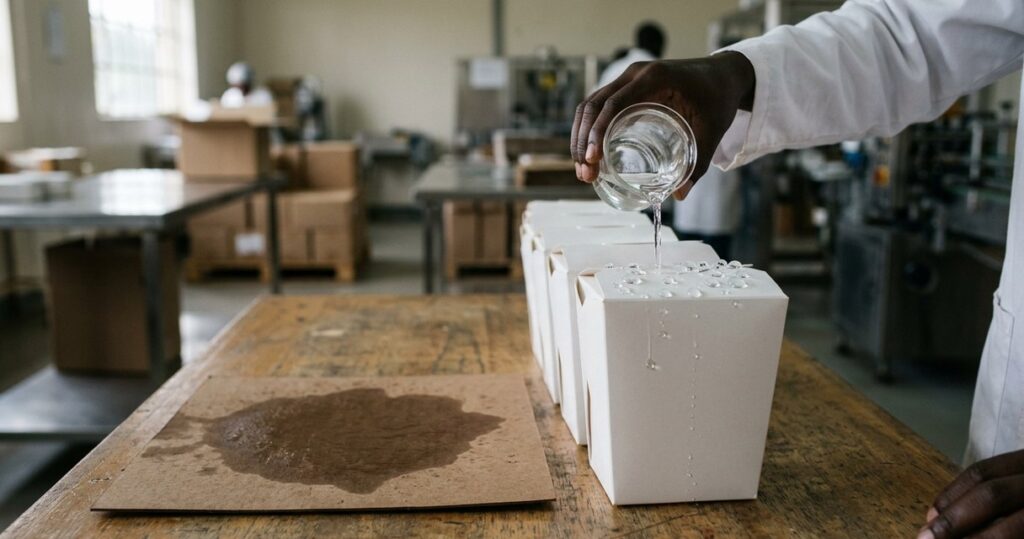
Wax emulsion for paper packaging moisture barrier is a water-based wax coating applied to paper or board to slow water uptake, improve surface protection, and make packaging easier to handle in damp conditions.
Paper fibres naturally absorb moisture. A wax emulsion forms a more water-resistant surface after drying, helping packaging hold shape and appearance during storage, transport, and retail display.
Common packaging uses include:
- Paperboard cartons: better resistance to damp shelves and handling marks
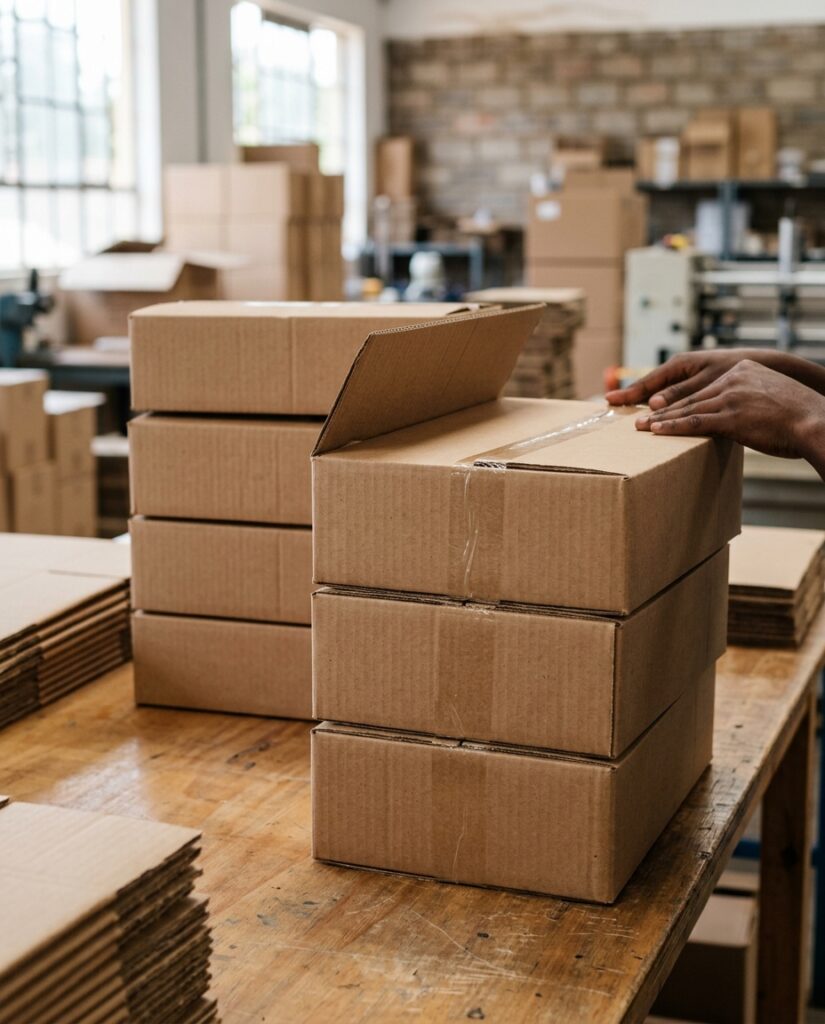
- Corrugated boxes: improved outer liner protection for warehouses
- Wrapping paper: smoother feel and lower moisture pickup
- Specialty paper coatings: added gloss, slip, and rub resistance
Key insight: Wax emulsion is a barrier aid, not a structural adhesive. It protects the surface; it does not replace glue in carton sealing or bag making.
For bonding choices, the related guide on paper and board adhesives for high-performance bonding explains where glues and hot melts fit into packaging lines.
How does wax emulsion improve paper packaging performance?
Wax emulsion improves paper packaging by depositing wax particles on and within the paper surface, creating a more hydrophobic layer after the water carrier evaporates.
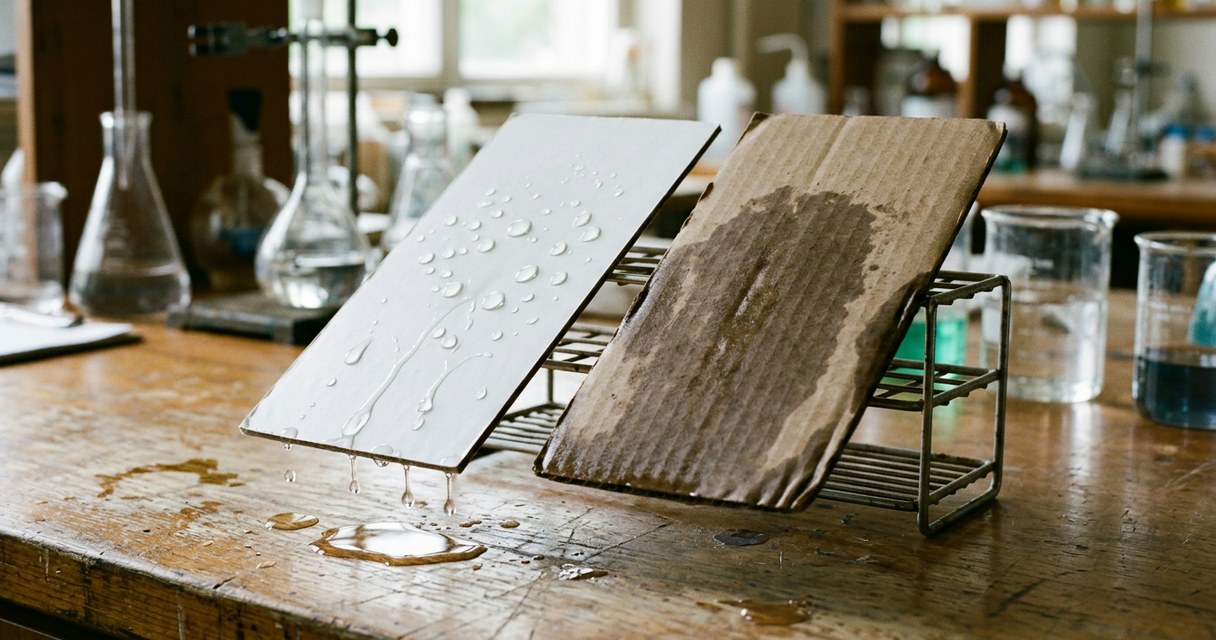
The effect depends on wax type, solids content, coat weight, drying temperature, paper porosity, and whether the coating is used alone or with binders. Research reviewed in the SERP data includes a 2024 wax coating study that found wax-coated papers can improve surface, mechanical, and barrier properties, with beeswax-coated paper showing strong water-barrier performance among the waxes studied.
Main performance gains for converters
| Performance need | How wax emulsion helps | Practical packaging value |
|---|---|---|
| Moisture resistance | Reduces water penetration into fibres | Better cartons in humid storage |
| Rub resistance | Adds a protective surface layer | Cleaner print and fewer scuffs |
| Gloss or sheen | Smooths the coated surface | Better shelf presentation |
| Slip and release | Lowers surface tack | Easier stacking and converting |
| Handling strength | Limits fibre swelling from dampness | Fewer soft or warped packs |
Microcrystalline wax is often valued where flexibility and adhesion to surfaces matter. The Thika Wax Works article on microcrystalline wax uses in modern industry gives a broader view of why this wax type appears in protective, packaging, and finishing applications.
A 2021 review of carboxymethyl cellulose notes its broad role as a film-forming and thickening polymer in industrial applications, which helps explain why paper coatings may combine waxes with compatible binders for improved coating holdout and film quality Polymers review.
When should packaging teams use wax emulsion, adhesive, or coating?
Packaging teams should use wax emulsion for surface moisture resistance, adhesives for bonding, and heavier coatings when stronger barrier, heat seal, grease resistance, or regulatory performance is required.
No single material solves every packaging problem. A wax emulsion can help a carton survive damp handling, but a glued seam still needs the right adhesive. A food-contact pack may also need compliance checks beyond basic water resistance.
Decision table for Kenyan packaging lines
| Need on the packaging line | Best-fit material | Why it fits |
|---|---|---|
| Reduce moisture absorption on paperboard | Wax emulsion | Adds water resistance without changing the whole pack structure |
| Seal carton flaps or side seams | Hot Melt or cold glue | Provides bond strength, set speed, and line efficiency |
| Bond labels, paper straws, or wraps | Food-suitable adhesive | Matches paper grade, machine speed, and compliance needs |
| Add strong grease or oxygen barrier | Specialty coating system | Designed for demanding barrier requirements |
| Improve gloss and rub resistance | Wax emulsion or wax blend | Protects print and improves surface finish |
For manufacturers running gluing equipment, the guide to adhesive application methods for packaging lines gives practical line-fit advice. Food-related packs should also be checked against the guide on safe adhesives for food packaging in 2026.
PFAS scrutiny is also shaping packaging choices. Linda G. T. Gaines' 2022 literature review documents historical and current use of per- and polyfluoroalkyl substances, a useful context for buyers comparing traditional grease-resistant chemistries with wax-based or fibre-based alternatives American Journal of Industrial Medicine.
How should Kenyan manufacturers specify and test wax emulsion?
Kenyan manufacturers should specify wax emulsion by substrate, coating method, target barrier level, drying conditions, food-contact needs, and storage environment.

A converter in Nairobi may need different performance from an exporter storing cartons near the coast. Hot, humid, and dusty sites also affect how coated paper stacks, dries, and moves through machinery.
Practical specification checklist
- Name the substrate: kraft paper, duplex board, corrugated liner, wrapping paper, or specialty sheet.
- Define the application method: rod coater, spray, dip, size press, roller, or manual trial.
- Set the target property: moisture holdout, gloss, rub resistance, slip, or release.
- Check drying capacity: available heat, airflow, dwell time, and line speed.
- Run stack tests: coated sheets should not block, stick, or transfer wax.
- Test real storage: include Nairobi warehouse conditions or coastal humidity if relevant.
- Confirm compliance: food, export, and customer specifications must be reviewed early.
Key insight: A good lab result is only useful if the coating dries, stacks, prints, and converts properly on the actual production line.
Thika Wax Works can help packaging teams think through wax selection, batch consistency, and practical trials. For supplier evaluation, the guide to choosing a bulk wax supplier in Nairobi covers reliability, quality checks, and local supply considerations. Product teams can also visit thikawaxworks.com for more background on industrial wax solutions.
FAQ: wax emulsion and paper packaging
Wax emulsion questions usually come down to performance, compliance, recyclability, and line fit. The answers below give quick guidance for packaging buyers, production managers, and converters comparing coating options in Kenya.
Is wax emulsion waterproof?
Wax emulsion makes paper more water-resistant, but it does not make ordinary paper fully waterproof. Performance depends on paper porosity, wax chemistry, coating weight, drying, and exposure time. For packaging exposed to direct water, a stronger multilayer or specialty coating may be needed.
Can wax emulsion be used for food packaging?
Wax emulsion may be used in some food packaging structures only when the formulation, paper grade, and end use meet the required safety rules. Food-contact projects should be reviewed before production, especially for direct-contact wraps, takeaway packs, and export packaging.
Does wax emulsion replace hot melt adhesive?
Wax emulsion does not replace hot melt adhesive because it is designed mainly for surface protection, not bonding. Hot Melts and cold glues join flaps, seams, straws, labels, and cartons. The wax layer can complement adhesives when both are chosen for the same substrate and process.
Which paper grades benefit most from wax emulsion?
Absorbent papers and boards often show the biggest change because the coating reduces fibre wetting. Corrugated liners, kraft wraps, paperboard cartons, and specialty coated sheets can benefit when moisture resistance, rub protection, or smoother handling is needed.
Conclusion
Wax emulsion is a practical way to improve paper packaging moisture resistance without redesigning the whole pack. It works best when the paper grade, application method, drying setup, and final storage conditions are tested together.
For Kenyan manufacturers, the right choice is rarely just "wax or glue." The better question is where surface protection ends and bonding begins. That is where a wax emulsion, adhesive, or specialty coating can each play the right role.
Looking for wax emulsion for paper packaging moisture barrier in Kenya? Thika Wax Works has practical industrial wax experience for local packaging and manufacturing teams. For product guidance or trial discussions, head to thikawaxworks.com and contact the team.