
A clean washroom can still lose trust in seconds if it smells wrong. For offices, malls, hospitals, schools, hotels, and public institutions in Kenya, washroom air freshener solutions for commercial buildings are not just about perfume, they support comfort, hygiene perception, and visitor confidence. Air freshener: a product designed to reduce unwanted indoor odours, add pleasant fragrance, or both, based on the standard definition of air fresheners. Nairobi-based Thika Wax Works supplies hospitality and cleaning solutions for Kenyan facilities that need practical, consistent washroom care, not guesswork.
What causes washroom odours in commercial buildings?
Washroom odours in commercial buildings usually come from urine scale, drains, bins, damp surfaces, poor ventilation, and cleaning gaps during peak traffic. A public washroom, as described in the definition of a public toilet, serves customers, travellers, employees, or the general public, so odour control must handle constant use rather than occasional household traffic.
In Kenya, the challenge is often workload. A mall washroom in Nairobi during lunch hour, a hospital washroom near outpatient services, and a school ablution block after break time all face different odour patterns. One product cannot fix all causes if the cleaning routine, drainage, and refill plan are weak.
Key insight: Air freshening should never replace cleaning. It should sit on top of proper washroom cleaning, drain care, bin management, and ventilation.
Common odour sources by building type
Different buildings need different air care plans because the odour source changes with users, moisture, and cleaning frequency.
- Offices: handwash areas, bins, closed cubicles, and low ventilation after hours.
- Malls: heavy foot traffic, baby-changing waste, urinals, and queues during weekends.
- Hospitals: clinical waste areas, laundry movement, disinfectant smells, and high sensitivity to fragrance.
- Schools and institutions: wet floors, blocked drains, urinals, and inconsistent supervision.
- Hotels and restaurants: guest expectations, nearby kitchens, and washrooms used by both staff and visitors.
For hygiene-first buildings, pair air care with the right cleaning chemicals. A useful starting point is this guide to locally manufactured cleaning chemicals in Kenya for institutions, especially for schools, hospitals, hotels, and offices.
Which commercial air freshener system should you choose?
The best commercial air freshener system is the one that matches room size, user traffic, sensitivity level, refill budget, and maintenance capacity. Aerosol, passive, liquid, and automated systems all work, but they solve different problems.
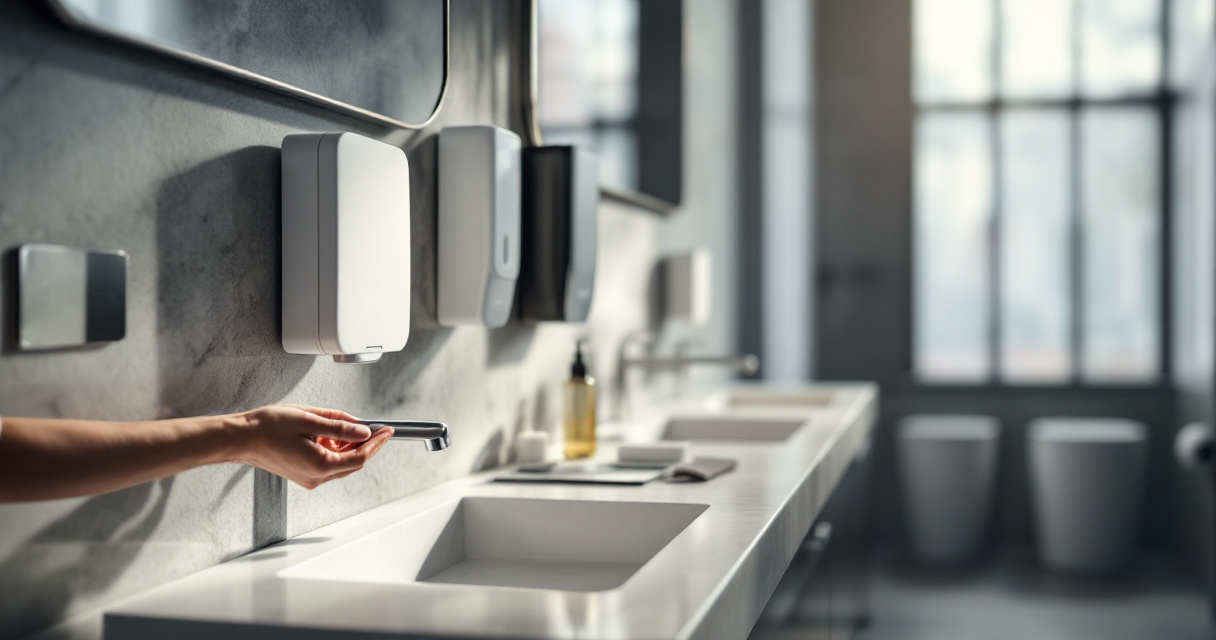
A small office washroom may only need a passive system and strong cleaning routine. A high-traffic mall or hospital washroom usually needs timed dispensing, odour neutralising chemistry, and a clear refill schedule.
"The very first requirement in a hospital is that it should do the sick no harm.", Florence Nightingale, Notes on Nursing
That principle matters for fragrance choice. In hospitals, clinics, and care facilities, avoid overpowering scents and choose mild, controlled air care that supports comfort without overwhelming patients or staff.
Comparison of aerosol, passive, liquid, and automated systems
| System type | Best fit | Strength | Watch-out |
|---|---|---|---|
| Aerosol spray | Offices, retail washrooms, staff toilets | Quick fragrance release and easy installation | Can feel too strong if over-sprayed |
| Passive gel or block | Small cubicles, low-traffic washrooms | Simple, low-maintenance, no batteries | Less control over fragrance timing |
| Liquid wick or cartridge | Medium washrooms, hotels, institutions | Longer-lasting fragrance release | Needs correct placement away from water |
| Automated dispenser | Malls, hospitals, airports, schools | Timed release and predictable coverage | Requires refill and battery checks |
| Odour neutraliser | Urinals, bins, drains, damp areas | Targets smell source better than masking | Must be matched with cleaning routine |
The practical choice is rarely one system across a whole building. Use automated units in busy shared washrooms, passive solutions in cubicles, and neutralisers near persistent odour points.
For broader hygiene planning, compare air care with disinfection, floor care, and surface cleaning using the industrial disinfectant checklist for Kenyan businesses.
How should air fresheners be placed in offices, malls, hospitals, and institutions?
Commercial air fresheners should be placed where air moves, where odour starts, and where users will not tamper with the unit. Good placement improves fragrance spread, reduces waste, and helps cleaners spot refills before they run out.
Do not hide dispensers behind doors, inside wet splash zones, or directly above sinks. In large Kenyan facilities, a dispenser that is badly placed often gets blamed as a weak product, when the real problem is airflow.
"An ounce of prevention is worth a pound of cure.", Benjamin Franklin, Founders Online
Placement checklist for facility teams
Use this simple placement routine before buying in bulk:
- Map traffic: mark peak-use toilets, VIP washrooms, staff washrooms, and visitor washrooms.
- Find odour points: check urinals, drains, bins, damp corners, and poorly ventilated cubicles.
- Check airflow: place dispensers where air circulates, not where doors block the spray path.
- Avoid faces and food areas: never aim spray directly toward users, counters, or nearby dining zones.
- Protect units: mount dispensers high enough to reduce tampering, but low enough for safe servicing.
- Record refill dates: write refill and battery dates on a service sheet or digital checklist.
For washrooms with damp grout, mould, and tile smells, fragrance alone will disappoint. This guide on how to prevent bathroom tile mold with professional washroom cleaners explains the cleaning side of the same problem.
Helpful video: saving refills without weakening coverage
Use cost-saving ideas carefully in commercial buildings. A hack that works at home may not suit a hospital corridor or mall washroom, where consistency, safety, and service records matter more than stretching one refill as far as possible.
How do you plan refills, costs, and hygiene standards for 2026?
A reliable washroom air care plan needs refill forecasting, staff accountability, and scent rules that match the building's hygiene standards. In 2026, the best-run facilities are moving from random replacement to planned service cycles.
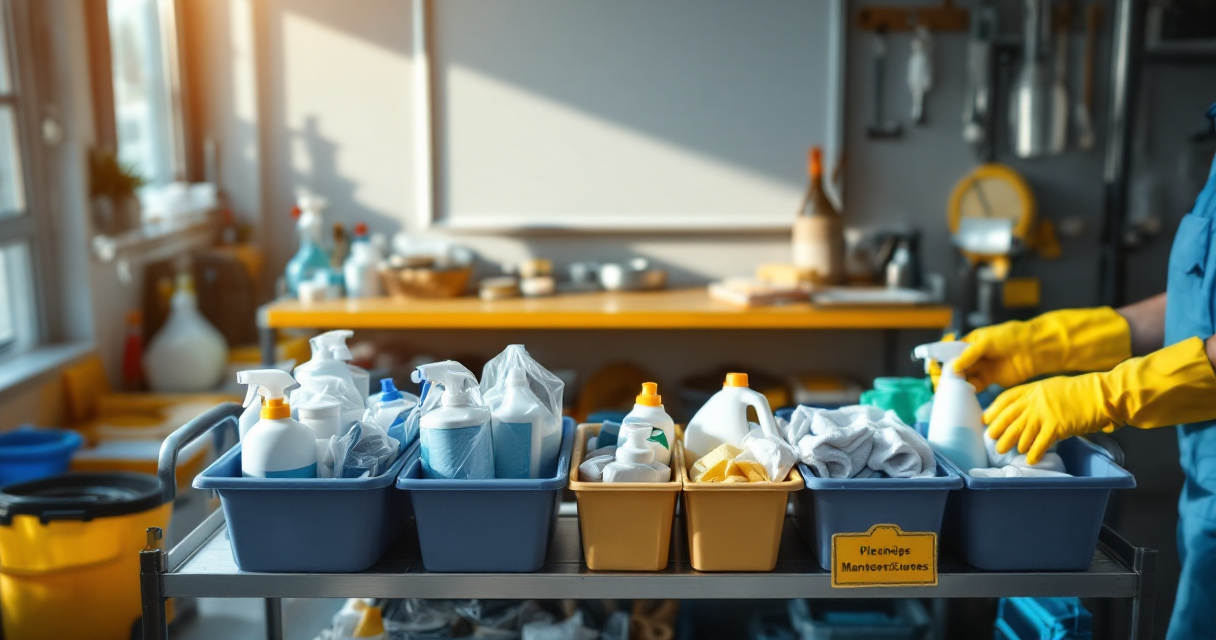
Start with a simple monthly usage log. Track how many refills each washroom uses, which units run out first, and whether complaints rise during busy days, holidays, school terms, or hospital clinic days.
Research on smart buildings is also pushing facility managers toward connected maintenance. A 2023 systematic review in Heliyon discussed the integration of IoT systems in interior design and the built environment, including how connected systems can support building operations (Sokienah, 2023). For air care, that points toward sensor-based servicing and smarter refill alerts.
Refill planning rules that work in Kenya
A good refill plan protects both your budget and your reputation.
- Set a baseline: monitor refill use for 30 days before changing products.
- Separate zones: do not apply the same refill rate to executive offices, public malls, and school washrooms.
- Choose mild scents for hospitals: strong fragrance can bother sensitive users.
- Keep spare stock: hold emergency refills for events, inspections, and long weekends.
- Train cleaners: make air care part of the washroom checklist, not an afterthought.
- Review complaints: smell complaints often point to drains, bins, or cleaning frequency, not only fragrance.
Thika Wax Works understands that facility managers need supply consistency across housekeeping, kitchen care, laundry, and maintenance products. If you manage several sites, build air care into the same procurement rhythm as detergents, disinfectants, and floor care.
What to expect in 2027
Commercial washroom air care will become more controlled, data-led, and fragrance-sensitive. Expect more programmable dispensers, lower-waste refills, milder scent profiles, and better links between cleaning schedules and air care records.
Kenyan hotels, offices, hospitals, and malls will likely ask suppliers for products that are easy to audit. Distributors can prepare by stocking dependable hygiene products alongside related categories such as floor care, laundry, and packaging line consumables. For industrial buyers, this guide to adhesive application methods for packaging lines shows how product consistency and application control matter across different facility operations.
FAQ: Commercial washroom air freshener questions
Commercial washroom air freshener decisions are easier when you separate fragrance, odour control, and cleaning performance. These quick answers cover the questions Kenyan facility managers ask most.
What is the best scent for a commercial washroom?
The best scent is clean, mild, and consistent. Citrus, fresh linen, light floral, and herbal notes usually work well because they signal cleanliness without feeling heavy. Hospitals and clinics should use softer fragrances than malls or hotels, since some users may be sensitive to strong scents.
How often should commercial air fresheners be refilled?
Refill timing depends on dispenser type, foot traffic, room size, and spray settings. Check units weekly in busy buildings until you have a reliable pattern. For high-traffic malls, schools, and hospitals, do not wait for fragrance to disappear before replacing refills.
Can air fresheners replace washroom cleaning?
No. Air fresheners only support the washroom experience. They cannot remove urine scale, blocked drain smells, mould, dirty bins, or bacteria on surfaces. A good programme uses cleaners, disinfectants, ventilation, waste removal, and air care together.
Are automated dispensers worth it for Kenyan buildings?
Automated dispensers are worth considering in busy facilities because they control fragrance timing and reduce random manual spraying. They are most useful in malls, institutions, hospitals, hotels, and shared office blocks where washroom use changes throughout the day.
Conclusion
The right washroom air freshener solutions for commercial buildings start with the smell source, not the scent bottle. Choose the system by traffic level, place dispensers where air moves, track refill use, and keep cleaning standards strong.
For Kenyan facilities, that practical mix matters. A neat office, mall, hospital, school, or hotel washroom tells visitors that the whole building is being managed carefully. Thika Wax Works can help facility teams think through hospitality cleaning and maintenance supplies that fit local operating conditions.
Looking for commercial washroom air care and cleaning support in Kenya? Visit thikawaxworks.com or reach Thika Wax Works through the Contact Us page at https://www.thikawaxworks.com/contact-us/ for practical guidance on suitable solutions.