

A blocked kitchen drain can slow service, create bad odours, and turn a busy hotel or restaurant kitchen into a hygiene problem within hours. If you're searching for the best kitchen drain cleaner for hotels and restaurants Kenya, you need more than a quick fix, you need a product and routine that can handle grease, food solids, and high daily use. Drain cleaner: a product, device, or service used to unblock or clear wastewater drains, according to the general definition summarized from Wikipedia. For Kenyan facilities teams, the smart approach is pairing the right chemical with grease control, staff habits, and a simple maintenance schedule. If you also manage broader hygiene supplies, Thika Wax Works is worth knowing for hospitality cleaning solutions and related institutional chemical needs.
What causes commercial kitchen drains to block so often?
Commercial kitchen drains block mainly because grease, oil, fat, starch, and food particles build up layer by layer inside pipes. In hotels, restaurants, staff canteens, and quick-service kitchens, the problem usually starts small, then becomes a recurring blockage if daily cleaning routines are weak.
Food waste is the real driver here. Research on food waste monitoring in Europe shows that food service operations generate substantial waste streams that must be managed carefully, not just for sustainability but also for operations and hygiene, as discussed in Sustainability. In a kitchen drain, that waste mixes with grease and creates stubborn deposits.
"What gets measured gets managed.", Peter Drucker, Quote Investigator reference
Common blockage sources in hotel and restaurant kitchens
| Cause | How it blocks drains | Typical sign |
|---|---|---|
| Grease and fats | Cool and stick to pipe walls | Slow drainage after washing pans |
| Food scraps | Settle in traps and bends | Gurgling sinks |
| Starch and flour | Thicken into paste-like residue | Water backing up during prep |
| Soap residue | Binds with grease and dirt | Persistent slimy pipe walls |
| Poor screening | Allows solids into the line | Frequent repeat clogs |
Kenyan kitchens often deal with heavy frying, ugali residue, rice starch, and high-pot-wash volumes. That's why drain care should sit alongside your wider cleaning plan, much like choosing the best degreaser for commercial kitchens in hotels and restaurants Kenya.
How does a professional drain cleaner work in a high-volume kitchen?
A professional drain cleaner works by breaking down the material causing the blockage, usually grease, organic matter, or a mix of both, so the drain can flow again. For commercial kitchens, the best choice depends on whether you need fast opening, routine prevention, or odour control.
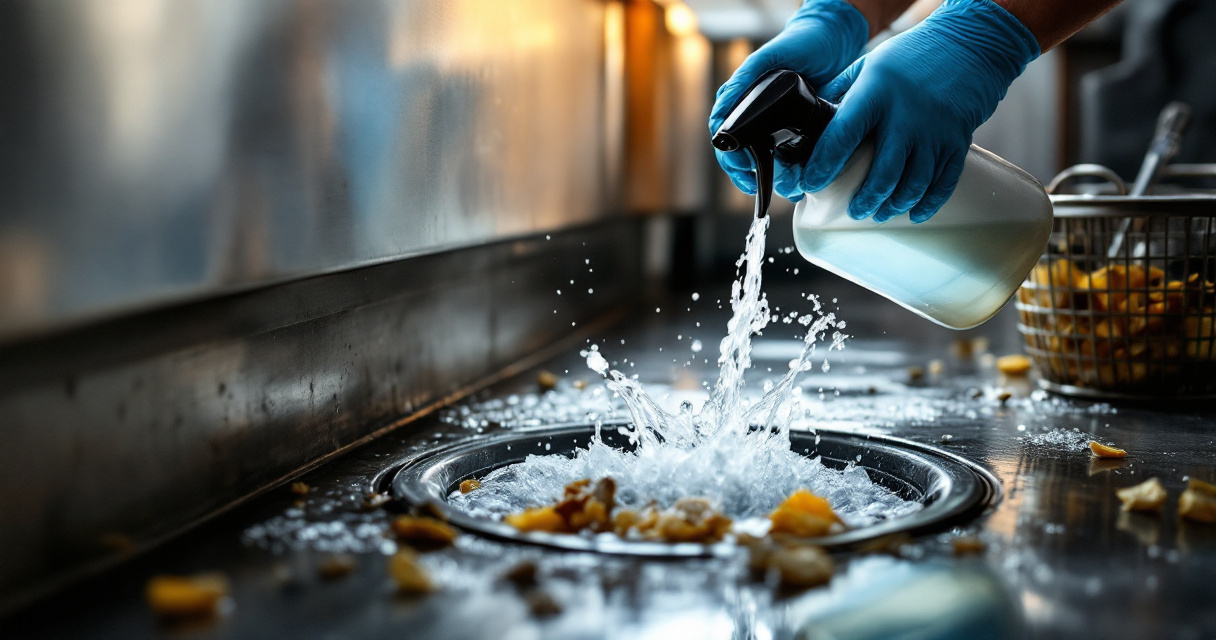
Most products in the market fall into three practical categories:
- Chemical drain openers: Fast acting for active blockages, often used when grease and sludge have already narrowed the pipe.
- Enzymatic or biological cleaners: Slower, but useful for routine maintenance and odour reduction because they digest organic buildup over time.
- Mechanical support tools: Strainers, plungers, rods, or pressure tools used when solid material is physically lodged.
What type fits which kitchen problem?
| Cleaner type | Best use | Strength | Limitation |
|---|---|---|---|
| Alkaline chemical cleaner | Heavy grease blockages | Fast response | Needs careful handling |
| Enzyme-based cleaner | Preventive maintenance | Good for odours and organic residue | Not ideal for severe clogs |
| Mechanical clearing tool | Localized obstruction | Immediate physical removal | May not remove pipe-wall grease |
A balanced system often works best: remove heavy grease with the right cleaner, then maintain flow with routine dosing and good sink screening. Facilities that already buy institutional chemicals locally should also review broader sourcing standards in this guide to locally manufactured cleaning chemicals in Kenya for institutions.
Video: A reminder that kitchen equipment habits affect drain load
Even simple prep and holding equipment choices affect how much starch, overflow, and food residue ends up down the sink.
What should hotels and restaurants in Kenya look for before buying a drain cleaner?
Hotels and restaurants in Kenya should look for a drain cleaner that matches their soil load, pipe material, cleaning schedule, and staff skill level. Price matters, but repeat blockages cost more than a better-fit product.
Start with the label and supplier guidance. You want clear instructions for dilution or direct application, contact time, safety gear, and suitable drain types. Avoid guessing with harsh products in old pipework or septic-linked systems.
Buyer checklist for 2026
- Grease-handling ability for fry stations, pot wash, and dish return areas
- Clear safety instructions for kitchen stewards and maintenance teams
- Fit for frequent commercial use, not just domestic sinks
- Odour control support if your kitchen struggles with trapped organic waste
- Reliable local supply in Nairobi, Mombasa, Kisumu, and other service hubs
- Compatibility with your wider hygiene program
A practical buyer should also think about the whole kitchen environment. Drain care works better when paired with disinfection, floor cleaning, and grease control. For that reason, this related guide on the ultimate industrial disinfectant checklist is useful for facility managers running multi-area cleaning plans.
"An ounce of prevention is worth a pound of cure.", Benjamin Franklin, Founders Online
Thika Wax Works is relevant here because hospitality buyers usually need more than one product category. A supplier that understands kitchen care, housekeeping, and maintenance can help you build a routine instead of buying a one-off emergency product every month.
How should staff use drain cleaners safely in a busy commercial kitchen?
Staff should use drain cleaners safely by following the label exactly, protecting skin and eyes, and keeping the chemical away from food contact areas during treatment. Fast results are useless if the process creates injury, fumes, or cross-contamination.
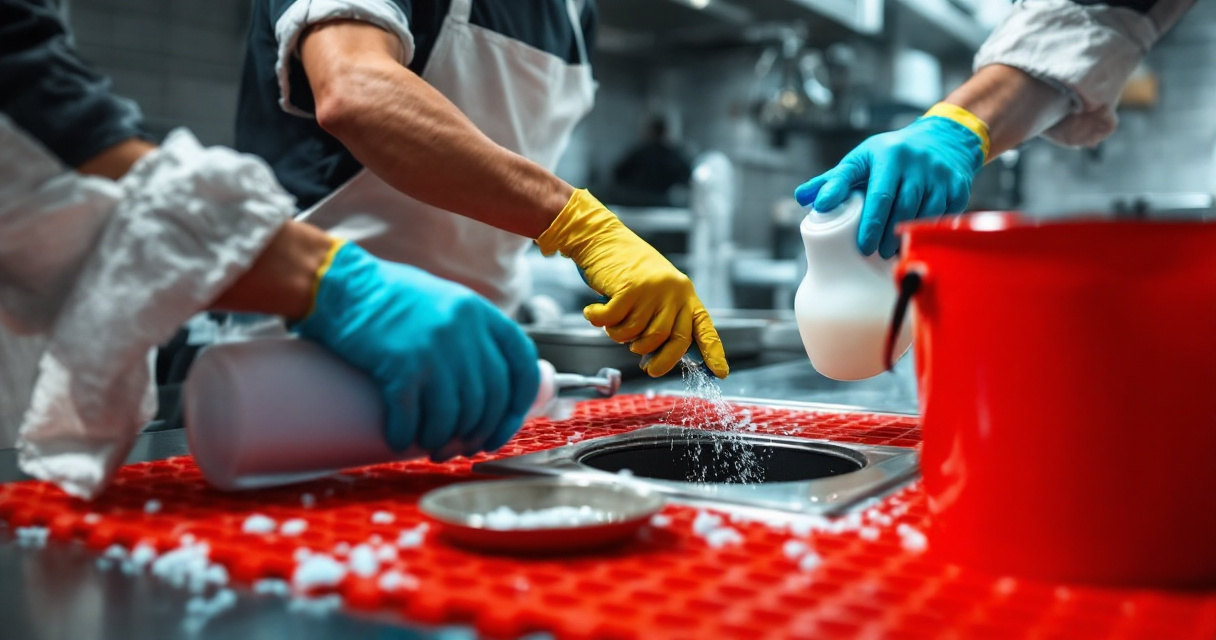
Training matters because many blockages happen during peak operations, when teams are tempted to improvise. In hospitality settings, safe use should be written into SOPs and supervisor checks.
Safe-use steps that actually work
- Isolate the sink or drain so no one adds water or food waste during treatment.
- Wear the required PPE, usually gloves and eye protection at minimum.
- Remove standing solids first with a scoop or strainer, not by forcing them deeper.
- Apply the cleaner exactly as directed on the product label.
- Allow proper contact time before flushing.
- Rinse thoroughly and confirm normal flow before returning the station to service.
- Record the incident if blockages are recurring in the same drain line.
What not to do
- Don't mix drain chemicals with bleach or other cleaners unless the label says so.
- Don't pour product into a drain full of hot oil or active food debris.
- Don't use kitchen staff guesswork as a substitute for maintenance procedure.
For operations that manage several back-of-house systems, standardization helps. Teams that already document chemical use in packaging or production environments often benefit from the same discipline seen in Adhesive Application Methods for Packaging Lines: A Practical 2026 Guide for Kenyan Manufacturers, even though the application is different.
A good rule is simple: routine, not panic, keeps drains open.
What maintenance schedule keeps kitchen drains clear for the long term?
A long-term maintenance schedule keeps kitchen drains clear by combining daily prevention, weekly treatment, and periodic inspection of grease-heavy zones. The goal is to reduce emergency callouts, not just react to the next blockage.
Food waste reduction studies from Africa and East Africa-adjacent contexts keep pointing to process discipline, staff behavior, and waste separation as practical levers, including work discussed in Sustainable Development and biomass waste handling research in Biomass Conversion and Biorefinery. In kitchens, that translates directly into better drain protection.
A simple routine for hotels and restaurants
- Daily: empty sink strainers, wipe grease before washing, flush low-risk lines with hot water if approved by your SOPs
- 2 to 3 times weekly: apply preventive treatment in the busiest prep and wash-up drains
- Weekly: inspect floor drains, grease trap areas, and foul-odour points
- Monthly: review repeated blockage locations and adjust staff habits or dosing schedule
How Thika Wax Works handles this need
Thika Wax Works supports institutional buyers who need dependable cleaning products and practical supply continuity, not random retail purchases. For hotels, restaurants, hospitals, and facility teams, that matters because drain care sits inside a larger maintenance system.
If you also source housekeeping and surface care products, you can use thikawaxworks.com to review related institutional cleaning categories. With Thika Wax Works, the conversation can be broader than one drain opener bottle, which is often what commercial kitchens need.
Kenyan operators planning 2027 budgets should expect stricter focus on hygiene records, waste handling, and preventive maintenance rather than emergency-only buying. That shift favors routine-based drain programs over last-minute fixes.
Conclusion
The right kitchen drain cleaner for hotels and restaurants Kenya should clear grease and food buildup, fit your staff's safety routines, and support a preventive maintenance plan. If your sinks block often, don't just switch products, fix the process around screening, degreasing, and scheduled treatment too. Looking for a practical hospitality cleaning solution in Kenya? Thika Wax Works has you covered, explore more on thikawaxworks.com or get in touch here: https://www.thikawaxworks.com/contact-us/.