

A waterproofing membrane only works as well as the way you apply it, and the brush you pick affects coverage, film build, and waste from the first stroke. In simple terms, waterproofing is the process of making a structure resist water ingress, while a coating is a covering applied to a surface for a functional or decorative purpose, according to Wikipedia's definition of waterproofing and coating. A paintbrush is a tool made of bristles fixed to a handle with a ferrule, designed to spread paint or similar liquids over a surface, as outlined by Wikipedia's paintbrush entry. For contractors in Nairobi, Mombasa, and across Kenya, choosing the right applicator matters just as much as choosing the membrane itself. If you're sourcing building and maintenance materials from Thikawaxworks, this guide will help you match the brush to the task and avoid costly rework.
What makes a good brush for membrane application
A good waterproofing brush holds enough material, releases it evenly, and stands up to rough substrates like screed, blockwork, and concrete. That matters on Kenyan job sites where bathroom slabs, balconies, retaining walls, and parapets often have uneven surfaces that punish soft or poorly fixed bristles.
Most membrane products are thicker than ordinary wall paint, so the ideal tool is usually fuller and stiffer than a standard decorating brush. Thicker coatings need a brush that can push product into pores, corners, and hairline surface texture without shedding too quickly.
Key takeaway: For membranes, brush performance comes down to three things, bristle stiffness, product pickup, and control around edges.
The key features to check
- Bristle material: Synthetic bristles are usually the safer choice for water-based and many modern coating products because they resist swelling better than natural hair.
- Brush density: A fuller head carries more coating and reduces constant dipping.
- Handle comfort: Long waterproofing sessions on vertical walls are tiring, so grip matters.
- Ferrule strength: Loose ferrules lead to wobble and poor edge control.
- Shape: Block brushes and wide masonry brushes often suit broad membrane coverage better than narrow trim brushes.
If your work also includes floors and concrete finishing, it helps to read related guidance on best concrete curing and enhancing products for durable slabs in Kenya, because the same substrate issues, porosity, dusting, and uneven absorption, also affect membrane application.
Which brush type works best on different waterproofing jobs
Different waterproofing areas need different brush shapes, and using one brush for every job usually slows the work down. Broad wall sections, floor-to-wall joints, and pipe penetrations each ask for a different level of control.
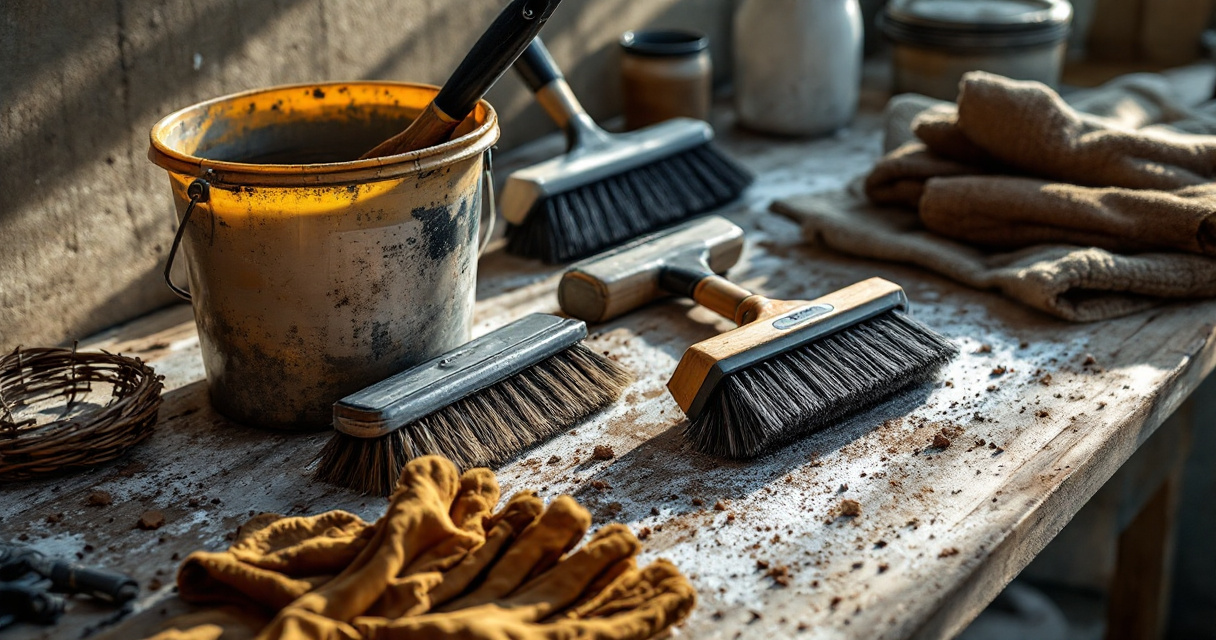
Brush types and where they fit best
| Brush type | Best use | Why it works |
|---|---|---|
| Wide masonry brush | Large walls, foundations, retaining surfaces | Carries more membrane and covers rough surfaces faster |
| Block brush | Roof edges, balconies, general broad coverage | Good balance of coverage and control |
| Angular brush | Corners, upstands, wall-floor junctions | Reaches tight angles cleanly |
| Small detail brush | Around pipes, drains, and cracks | Helps place membrane precisely with less mess |
A wide masonry brush is often the practical first choice for cementitious and heavy-bodied coatings on rough concrete. An angular brush earns its place around details, especially where waterproofing failure usually starts, corners, penetrations, and joints.
When a roller is not enough
Rollers are faster on smooth open areas, but they struggle to press thick material into textured surfaces and tight details. That's why many crews in Kenya still keep both tools on site, using rollers for spread and brushes for accuracy.
For bathrooms and balconies, the smartest approach is often system-based rather than tool-based. Start by understanding the chemical side through construction chemicals for waterproofing bathrooms and balconies in Kenya, then match the applicator to the membrane's viscosity and the substrate condition.
A practical rule for size selection
Brush width should follow the surface detail. Use wider heads for open areas, medium sizes for transitions, and small brushes where penetrations or edges need a heavier, more controlled coat. One oversized brush can actually waste time if you keep wiping excess product off fittings and corners.
How to choose bristles, size, and stiffness for Kenyan site conditions
Kenyan weather and substrate conditions make brush choice more demanding than many buyers expect. Hot afternoon temperatures, dusty concrete, and fast-drying surfaces can change how a membrane flows and how a brush behaves.
Bristle selection that makes sense
Synthetic bristles are usually preferred for modern coating systems because they tend to keep their shape better with water-based products. Natural bristles can still be used in some cases, but they may absorb moisture and lose stiffness faster.
Research on advanced coatings keeps showing that performance depends heavily on application quality, not just chemistry. For example, a 2021 overview in Coatings notes the growing importance of functional surfaces and controlled coating performance in real-world use, which reinforces why applicator choice matters alongside product selection: Recent Progresses of Superhydrophobic Coatings in Different Application Fields: An Overview.
What buyers should ask before ordering
- Is the membrane water-based, solvent-based, or cementitious?
- Is the surface smooth screed, rough concrete, or blockwork?
- Do you need speed on broad areas, or precision around details?
- Will the crew dispose of the brush after use, or clean and reuse it?
On bigger projects, standardizing tools saves time. The same thinking applies in other industrial application work too, which you can see in Adhesive Application Methods for Packaging Lines: A Practical 2026 Guide for Kenyan Manufacturers. Different materials need different delivery methods, and the wrong applicator creates waste fast.
A simple buying checklist
- Choose stiff to medium-stiff bristles for rough masonry.
- Pick wider heads for open surfaces.
- Keep small detail brushes for drains and corners.
- Buy enough brushes to avoid half-cured product ruining the next coat.
- Test one brush first if the membrane is unusually thick.
Thikawaxworks is a useful starting point when you want construction consumables from one supplier rather than mixing sources across town.
Application mistakes that ruin membrane coverage
Most brush-related waterproofing failures come from poor application habits, not from the brush alone. A good tool cannot fix a dusty slab, a wet substrate, or a coat spread too thin.
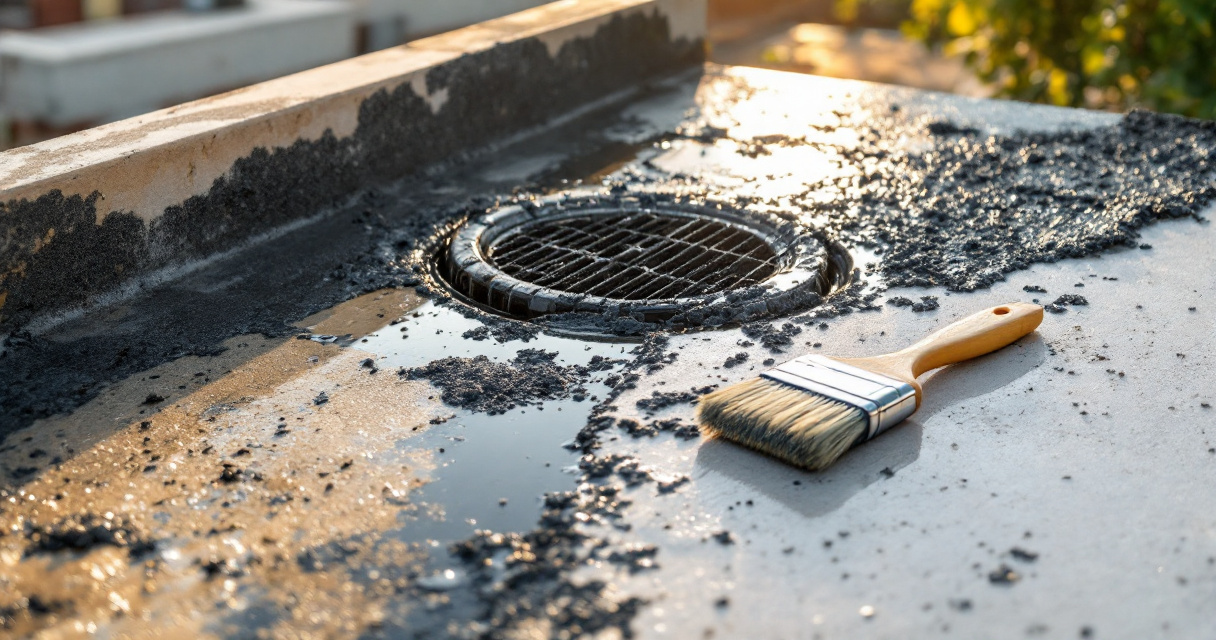
Common mistakes to avoid
- Using a soft wall-paint brush on thick membrane products
- Applying on dusty or laitance-covered concrete
- Skipping detail work at corners before broad coverage
- Over-brushing the membrane until the film becomes uneven
- Reusing a partially hardened brush that leaves drag marks
One reason this matters is that coatings are functional layers, not just surface color. The Wikipedia entry on coatings makes that clear, and waterproofing depends on continuity. Once you leave pinholes, missed edges, or thin spots, water will find them.
"There is no such thing as bad weather, only inappropriate clothing.", Alfred Wainwright, Goodreads source page
That line fits waterproofing better than it first seems. Buildings in heavy rain zones like Nairobi's long rains or coastal humidity around Mombasa need the right protective layer, applied the right way.
A quick field routine that works
- Clean and dry the surface as specified by the membrane maker.
- Brush details first, corners, joints, cracks, and penetrations.
- Load the brush fully, but don't flood it.
- Spread in one direction, then cross-brush only when needed.
- Check film continuity before the next coat.
If the surrounding project includes decorative concrete or finished floors, planning the whole surface system early helps. A useful related read is how to use concrete oxides for beautiful coloured floors in 2026, especially when appearance and protection need to work together.
How Thikawaxworks can help you source the right brush and what to expect next
The best supplier for membrane brushes is one that understands the full job, not just the tool on the shelf. You need a source that recognizes how brushes relate to waterproofing chemicals, concrete condition, and site productivity.
Thikawaxworks serves contractors and construction buyers in Kenya across waterproofing, coatings, concrete enhancers, oxides, and brushes, so the selection conversation can be more practical. Instead of buying a random brush and hoping it works, you can match the applicator to the substrate and coating type.
Video: membrane and coating mindset
The video above is a DIY example rather than a contractor spec guide, but it shows a useful point: waterproofing performance depends on both material behavior and how you spread it. That same principle applies on professional sites.
What to expect in 2027
Brushes themselves won't change as fast as membrane chemistry, but buying decisions are becoming more system-focused. As newer coatings and specialty surface technologies keep advancing, seen in materials research like Post-Processing of 3D-Printed Polymers, applicator choice will keep mattering because surface finish and coating integrity still depend on placement.
You'll likely see more buyers asking for application-specific brushes instead of generic paint brushes, especially on bathroom, balcony, podium, and foundation jobs. More teams are also trying to reduce waste by matching brush quality to project size rather than always buying the cheapest option.
For broader product sourcing and practical guides, head to thikawaxworks.com and compare related construction and industrial materials in one place.
Who should buy which brush
Small repair crews usually do well with one wide masonry brush plus one detail brush. Medium contractors handling repeated bathroom and balcony jobs should keep a small range, wide, angular, and detail sizes. Large sites should standardize by membrane type so every crew uses the same applicator setup.
Conclusion
The right paint brushes for waterproofing membranes improve coverage, reduce waste, and make detailing easier where leaks usually begin. Focus on bristle stiffness, brush width, and the surface you're coating, then match the tool to the membrane instead of treating every brush as interchangeable. If you're looking for waterproofing brushes and related construction supplies in Kenya, visit thikawaxworks.com or get in touch through the Thika Wax Works contact page for practical guidance on the right solution for your project.