
TL;DR
Contractors in Kenya should match paint brushes to coating type, surface texture, and job speed. Synthetic bristles suit most water-based paints, natural bristles suit solvent-based coatings, and wider brushes help on walls while angled brushes improve trim work.
A good brush can save labour time, reduce touch-ups, and leave cleaner edges on Kenyan projects from Nairobi apartments to Mombasa hotels. The best paint brushes for contractors in Kenya are not always the most expensive; they are the brushes that match the paint, surface, and daily site conditions. Paintbrush: a brush used to apply paint or ink, typically made by clamping bristles to a handle with a ferrule. For contractors sourcing construction tools and coatings, Thika Wax Works is a relevant Kenya-based supply partner with long experience in chemicals and allied products.
Table of Contents
What are the best paint brushes for contractors in Kenya?
The best paint brushes for contractors in Kenya are durable synthetic or natural-bristle brushes chosen by paint type, surface texture, brush width, and finish requirement. For most wall paints, synthetic polyester or nylon blends work best; for solvent-based coatings, natural bristles remain useful; for cutting edges, angled sash brushes give better control.
Key takeaway: Contractor brush selection should start with the coating, then the surface, then the finish standard. Price comes later.
A 2026 SERP review for this topic showed many results focused on painting services or bulk listings, not contractor buying decisions. That leaves a practical gap for site managers who need a clear brush selection method for paints, sealers, coatings, and maintenance work.
Kenya's climate also matters. Coastal humidity, dusty inland sites, and fast-turnaround commercial jobs can punish cheap brushes. A brush that sheds bristles into gloss paint or loses shape after one wash costs more through rework than through purchase price.
Contractors handling coloured concrete finishes may also need brushes that work alongside oxides, sealers, and floor products. For related surface colour planning, see how concrete oxides are used for coloured floors in 2026.
Contractor brush buying table
| Job type | Best brush type | Suggested width | Why it works |
|---|---|---|---|
| Interior emulsion walls | Synthetic flat brush | 3 to 4 inch | Holds water-based paint well and covers faster |
| Exterior masonry paint | Stiff synthetic brush | 4 inch | Pushes paint into textured plaster and render |
| Gloss doors and frames | Fine synthetic angled brush | 1.5 to 2.5 inch | Gives cleaner edges and fewer visible marks |
| Varnish or solvent coating | Natural bristle brush | 2 to 3 inch | Carries oil-based coatings smoothly |
| Sealers and waterproof coatings | Solvent-resistant synthetic brush | 3 to 4 inch | Handles thicker products without collapsing |
| Touch-ups and snagging | Small detail brush | 0.5 to 1 inch | Controls patches around corners and fixtures |
Which bristle type works best for Kenyan site conditions?
Synthetic bristles work best for most Kenyan contractor painting jobs because modern wall paints, primers, and maintenance coatings are commonly water-based. Natural bristles still have a place with oil-based paints, varnishes, and some solvent coatings, but they can swell and lose performance in water-based products.
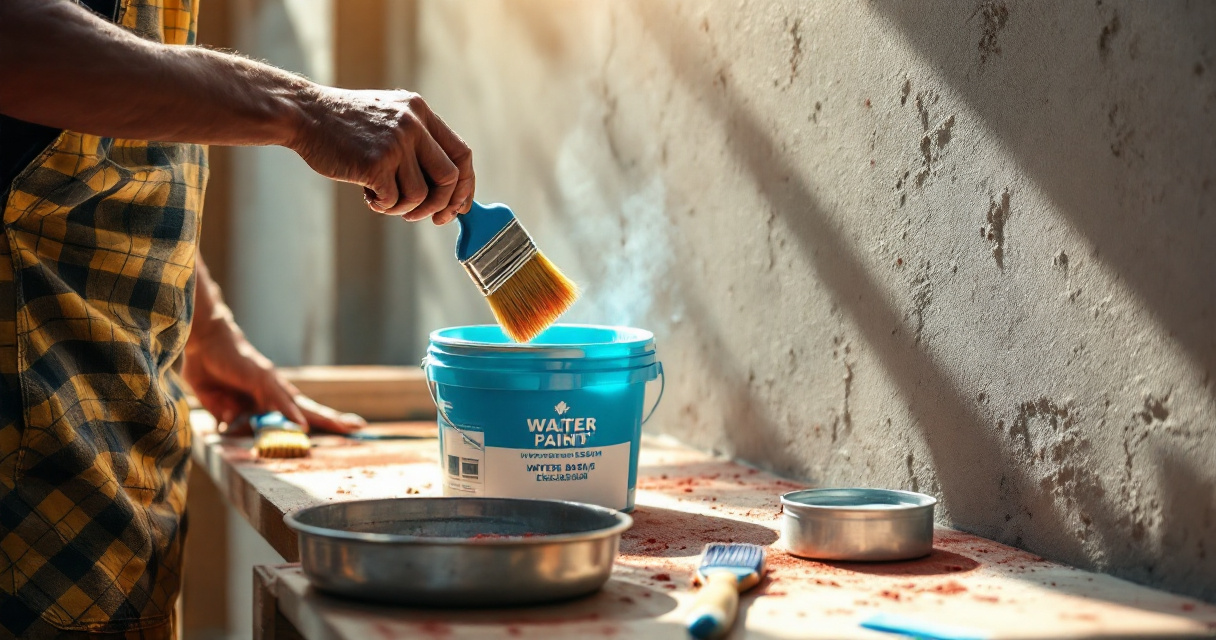
Synthetic bristles: usually nylon, polyester, or a blend; good for emulsion, acrylic, primers, and many coatings.
Natural bristles: usually animal hair; good for oil-based paint, varnish, and traditional solvent products.
Blended bristles: mixed filaments designed to balance paint pickup, stiffness, and smooth release.
Site rule: If the coating cleans up with water, synthetic bristles are usually safer. If the coating cleans up with thinner or white spirit, natural or solvent-rated bristles may perform better.
Brush stiffness also affects speed. Softer tips help on smooth doors, cabinets, and trims. Stiffer filaments help push paint into rough plaster, blockwork, textured ceilings, and exterior walls.
For waterproofing bathrooms, balconies, and similar wet areas, brush choice should follow the chemical system being applied, not just the wall finish. Related guidance appears in construction chemicals for waterproofing bathrooms and balconies in Kenya.
Quick bristle selection checklist
- Use synthetic brushes for emulsion, acrylic, primers, and many water-based coatings.
- Use natural bristles for varnish, enamel, and compatible solvent-based coatings.
- Choose flagged tips for smoother finishes because split filament ends reduce harsh brush lines.
- Choose stiffer filaments for masonry, rough plaster, and high-build coatings.
- Avoid weak ferrules because loose metal clamps cause bristle loss during long site days.
How should contractors choose brush size and shape?
Contractors should choose brush size and shape by balancing coverage speed with control. Wide flat brushes suit large walls and exterior surfaces, while smaller angled brushes suit trims, corners, frames, skirting, grills, and touch-ups. One brush size cannot handle every professional painting task well.
A 4-inch brush may speed up boundary work on masonry, but it feels clumsy around window frames. A 1-inch brush controls tight repairs, but it slows wall painting and creates more lap marks if used for broad areas.
Brush handles matter too. Wooden handles feel stable and familiar, while plastic handles resist water and are easier to clean. For daily contractor use, balance, ferrule grip, and bristle recovery matter more than handle appearance.
Thika Wax Works supplies across construction, hospitality, and industrial categories, so contractors often source brushes alongside coatings, polishes, and surface preparation products. For floor finish planning after painting or renovation works, the guide to protective floor polish for schools, hospitals and offices in Kenya is a useful companion.
Brush width guide for common tasks
- 0.5 to 1 inch: use for touch-ups, grills, small corners, and repair patches.
- 1.5 to 2 inch: use for trims, window frames, doors, rails, and narrow edges.
- 2.5 to 3 inch: use for general cutting-in, cabinets, fascia boards, and medium surfaces.
- 4 inch: use for walls, masonry, exterior render, and broad coating work.
What separates contractor-grade brushes from cheap brushes?
Contractor-grade brushes last longer because they hold shape, keep bristles secured, release paint evenly, and clean properly after repeated use. Cheap brushes may look similar on a shelf, but weak ferrules, uneven filaments, and poor bristle density often show during finishing work.

The most reliable sign is recovery. After a brush is bent against a surface, the filaments should spring back instead of staying splayed. Dense bristles should also carry enough paint to reduce constant dipping, especially on large commercial jobs.
Finish quality matters for high-visibility areas such as hotel lobbies, hospital corridors, retail shops, and office receptions. Brush marks on a back-of-house wall may pass, but marks on a front desk, door, or feature wall usually require sanding and repainting.
Buying principle: A brush should be judged after cleaning and reuse, not only when new. Durability shows after the third and fourth job.
For maintenance teams working across floors, walls, and hygiene areas, tool choice should sit inside a broader product plan. Related operational buying advice is covered in how distributors can choose chemical products to stock in Kenya.
Durability checks before bulk buying
- Pull lightly on the bristles to check shedding.
- Inspect the ferrule for tight crimping and rust resistance.
- Bend the bristles and check whether they return to shape.
- Check whether the brush edge is even enough for clean cutting-in.
- Test one brush with the actual paint or coating before ordering cartons.
- Confirm cleaning instructions for water-based and solvent-based products separately.
FAQ: contractor paint brushes in Kenya
The most common paint brush questions in Kenya concern bristle type, brush size, cleaning, and coating compatibility. Contractors get the best value by standardising a few reliable brush types rather than buying one mixed carton for every job.
Are synthetic paint brushes better than natural brushes?
Synthetic paint brushes are better for most water-based paints used on Kenyan walls, ceilings, and maintenance projects. Natural brushes are still useful for some oil-based paints, varnishes, and solvent coatings. The coating label should guide the final decision because solvent compatibility affects bristle strength, paint flow, and cleaning.
What brush size should a contractor buy in bulk?
A practical bulk set should include 4-inch brushes for walls and masonry, 2 to 3-inch brushes for general cutting-in, and 1 to 1.5-inch brushes for trims and snagging. This mix covers most residential, commercial, and facility maintenance work without overstocking slow-moving sizes.
How long should a contractor paint brush last?
A contractor-grade brush should last through several jobs if cleaned correctly, stored flat or hanging, and used with compatible coatings. Lifespan drops quickly when water-based and solvent-based products are mixed without proper cleaning, or when brushes are left standing in paint overnight.
Where can contractors compare paint brushes in Kenya?
Contractors can compare brush types through supplier catalogues, sample testing, and site trials using the actual paint or coating specified for the job. Thika Wax Works can help contractors align brushes with construction coatings, oxides, polishes, and maintenance needs. Product details and enquiries are available at thikawaxworks.com.
Conclusion
The best paint brushes for contractors in Kenya are selected by job type, not by habit. Synthetic bristles suit most water-based wall paints, natural bristles suit selected solvent coatings, wide brushes save time on large areas, and angled brushes protect finish quality on trim work.
A smart contractor kit for 2026 should include 4-inch wall brushes, 2 to 3-inch general brushes, smaller detail brushes, and solvent-rated options for coatings and sealers. Sample testing before bulk purchase remains the safest way to prevent bristle shedding, poor coverage, and costly repainting.
Looking for paint brushes and construction surface products in Kenya? Thika Wax Works has practical supply support for contractors, facility teams, and distributors; visit thikawaxworks.com or get in touch for help choosing the right range.