
Kenyan institutions buy cleaning chemicals for one reason: they need dependable hygiene without supply delays. For schools, hospitals, hotels, factories, and office blocks, locally manufactured cleaning chemicals in Kenya for institutions can make that easier because supply, product support, and buying terms are usually closer to the real conditions on the ground. One established local name is Thika Wax Works, a Nairobi-based manufacturer and trader with more than 60 years in chemicals and allied products. If you're comparing options for 2026, the smartest move is to look beyond price per litre and focus on fit, consistency, and service after delivery.
Why Kenyan institutions often prefer local supply
Local manufacturing matters because institutions rarely buy a single product once, they buy systems that must keep working month after month. A hospital laundry, a school washroom block, or a hotel kitchen cannot pause operations while waiting for replacement stock.
Kenya-first supply also makes practical sense in a market where the broader search demand is large, the SERP shows about 13,000,000 results for this topic from the provided research data. That volume suggests buyers are actively comparing availability, trust, and suitability, not just browsing.
Key takeaway: For institutional cleaning, the real cost is not only the drum price. It also includes missed deliveries, product mismatch, staff confusion, and downtime.
What local manufacturers usually do better
- Shorter lead times for repeat orders
- Easier site visits and product demos
- Packaging sizes that match Kenyan institutional budgets
- Better understanding of local water conditions, floor types, and soil loads
- Faster response when a product needs adjustment or clarification
A local supplier can also support adjacent operational needs. For example, a factory buyer who needs hygiene chemicals may also need related production materials, such as industrial disinfectant selection guidance or packaging adhesives for another part of the business.
A quick industry reality check
Green cleaning means using products and methods designed to protect human health and environmental quality, according to Wikipedia's definition of green cleaning. That doesn't mean every institution in Kenya needs premium eco-label products today. It does mean buyers are increasingly asking for safer handling, lower odour, and more sensible dosing.
Which products institutions in Kenya typically need
Institutional cleaning programs work best when products are grouped by area of use, not bought randomly. That helps your team train staff, control dilution, and prevent over-ordering.
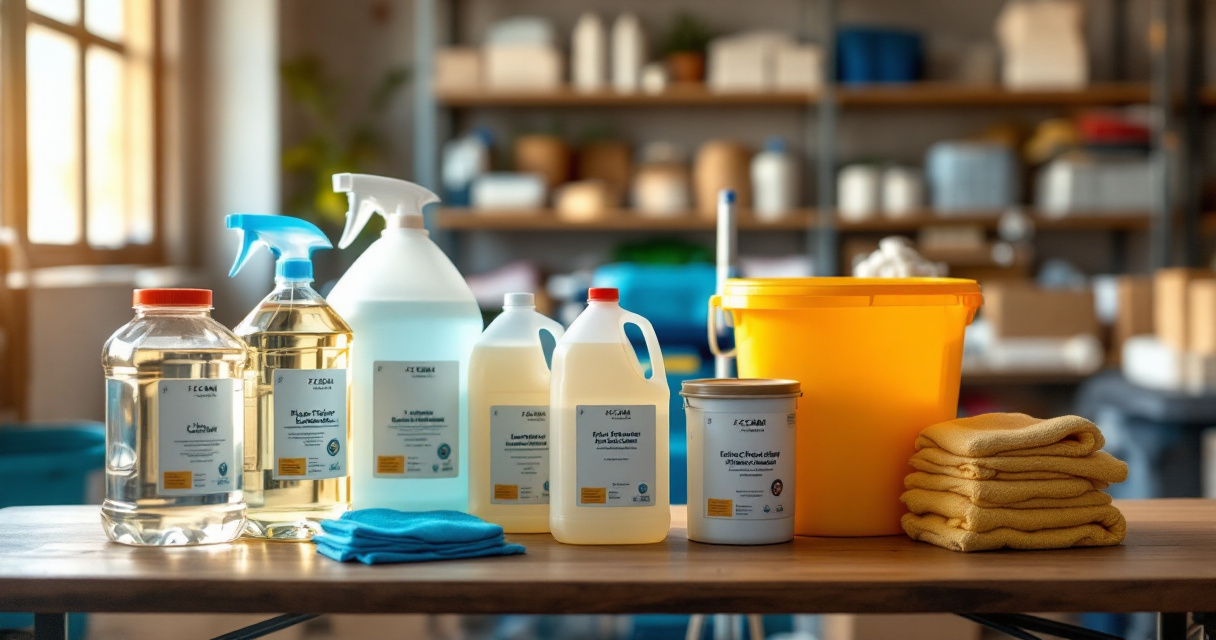
Core product groups for institutional cleaning
| Area | Common chemical type | Main use | Typical buyer |
|---|---|---|---|
| Washrooms | Toilet cleaner, disinfectant, descaler | Odour control, stain removal, germ reduction | Schools, malls, offices, hospitals |
| Floors | Neutral cleaner, heavy-duty floor cleaner, polish | Daily cleaning and surface protection | Offices, schools, warehouses |
| Kitchens | Degreaser, dishwashing liquid, food-area sanitiser | Fat removal and hygiene | Hotels, restaurants, hospitals |
| Laundry | Detergent, bleach system, softener, stain treatment | Linen and uniform care | Hospitals, hotels, boarding schools |
| General housekeeping | Multipurpose cleaner, glass cleaner, handwash | Routine facility care | Nearly all institutions |
Hospitals and hotels usually need the broadest range because they run laundry, kitchens, washrooms, and high-touch spaces at the same time. If that's your situation, this guide on laundry chemicals for hospitals and hotels in East Africa helps narrow the shortlist.
Product choice should match the site, not the catalog
A school with rough concrete corridors needs a different floor-care plan from a private hospital with polished indoor surfaces. A hotel kitchen with high grease output also needs stronger degreasing support than a small office pantry, which is why a focused guide like best degreaser for commercial kitchens in hotels and restaurants Kenya is useful before you buy in bulk.
Many institutions also forget the finishing layer. Protective floor care can reduce wear, improve appearance, and simplify maintenance, especially in heavy foot-traffic spaces. See protective floor polish for schools, hospitals and offices in Kenya for that side of the decision.
"Quality is never an accident. It is always the result of intelligent effort.", John Ruskin, Quote Investigator reference
How to evaluate locally manufactured cleaning chemicals in Kenya for institutions
The best buying process starts with performance, safety, and repeatability. A cheap cleaner that needs double dosing or damages surfaces will usually cost more over time.
Buyer checklist before approving a supplier
- Check product fit by area: Ask which formula is meant for floors, kitchens, washrooms, laundry, and food-contact areas.
- Ask for dilution guidance: Clear usage instructions reduce waste and staff errors.
- Review packaging sizes: Institutions often need a mix of small training packs and larger refill containers.
- Confirm consistency: Repeat orders should perform the same way each time.
- Discuss training and support: Good suppliers explain use, storage, and handling clearly.
- Look at restocking reliability: Regular supply matters more than one-off availability.
What buyers often miss
Many procurement teams focus on price and fragrance first. That can backfire if the product leaves residue, causes foam issues in machine cleaning, or clashes with your cleaning routine.
Another issue is buying products with no clear system behind them. If your facility also handles packaging or light manufacturing, a supplier with wider industrial knowledge can be helpful. Thika Wax Works stands out here because its range goes beyond hospitality chemicals into adhesives, waxes, and construction materials, including resources on hot melt adhesives in Kenya for industrial use.
How Thika Wax Works handles institutional supply
Thika Wax Works serves hospitality, industrial, and construction customers, which matters for mixed-use sites such as hospitals, hotels, campuses, and factory compounds. That wider product background often makes conversations more practical because cleaning is only one part of facility operations.
You can also use thikawaxworks.com to review related product areas if your procurement team buys across departments, not just housekeeping.
Safety, sustainability, and compliance are now part of the buying decision
Safer cleaning is no longer a niche request, it is part of normal institutional risk control. Buyers want chemicals that are effective, easier to handle, and appropriate for the people using the building every day.
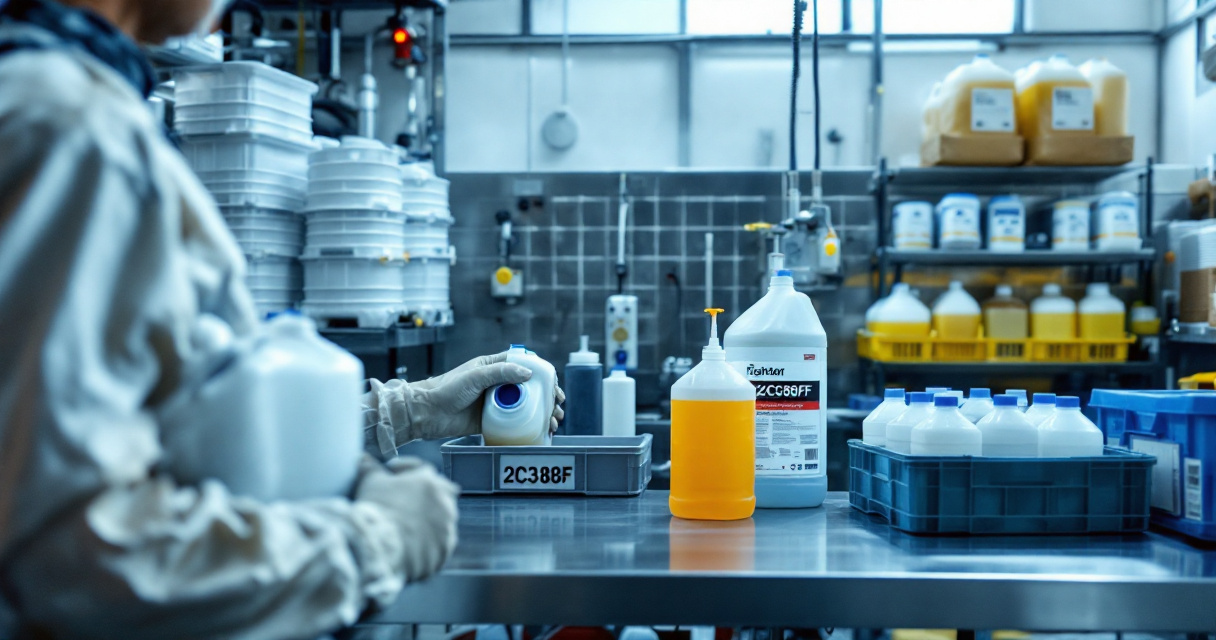
What safer institutional cleaning looks like in practice
- Clear labels and directions
- Sensible dilution to reduce overuse
- Proper separation of kitchen, washroom, and laundry chemicals
- Staff training on storage and personal protection
- Product choices that fit the surface and cleaning frequency
Research outside the cleaning sector still supports the bigger point that health and environmental risks matter in operational decisions. Reviews on sustainability and resilience, such as Osman et al. in Environmental Chemistry Letters, show why buyers increasingly care about durability, resource use, and long-term planning, not just upfront cost.
Why local support helps with safer use
A nearby manufacturer or distributor can explain how a product should be diluted, stored, and rotated in a way that a generic import listing usually cannot. That matters in schools and hospitals where misuse creates direct operational headaches.
"An ounce of prevention is worth a pound of cure.", Benjamin Franklin, Founders Online
A practical example is washroom care. Mold, stains, and odour usually come from routine gaps, not from a lack of one miracle product. For maintenance teams, how to prevent bathroom tile mold with professional washroom cleaners is a useful follow-up read.
For 2026 and beyond, expect more buyers in Kenya to ask for lower-odour formulas, easier dosing, and stronger documentation. That trend fits broader sustainability thinking seen in regional energy and industrial transition research such as Kabeyi and Olanrewaju, 2022.
How to choose the right supplier for your institution in 2026
The right supplier is the one that helps your team clean consistently, reorder easily, and solve problems fast. Product quality matters, but support quality matters just as much.
Signs you have a strong institutional supplier
| What to assess | Why it matters | What to ask |
|---|---|---|
| Range depth | Fewer supplier gaps | Do you cover kitchen, laundry, floors, and washrooms? |
| Local availability | Faster restocking | What is your normal lead time in Nairobi or upcountry? |
| Technical guidance | Better staff use | Do you provide dilution and usage instructions? |
| Pack size options | Better cost control | Do you supply both trial and bulk sizes? |
| Cross-industry knowledge | Smarter procurement | Can you support other facility chemical needs too? |
Institutions with broad procurement needs often prefer suppliers that can grow with them. With Thika Wax Works, that may include housekeeping and maintenance products today, then adjacent needs like packaging adhesives or industrial consumables later. If your operation includes food packing or carton work, food-grade packaging glue supplier in Kenya is another relevant resource.
A practical buying approach
- List your cleaning zones and current pain points.
- Ask for product recommendations by zone, not by generic category.
- Trial a small set with your actual staff.
- Measure usage, results, and reorder ease for 30 days.
- Standardise only after the trial works.
That process is simple, but it prevents expensive switching later. More on thikawaxworks.com can help if your team is reviewing multiple chemical categories at once.
Conclusion
Kenyan institutions do better with cleaning chemicals that match local conditions, arrive on time, and come with clear support. When you compare locally manufactured cleaning chemicals in Kenya for institutions, focus on product fit, safe use, packaging options, and the supplier's ability to support repeat orders, not just the first invoice. If you're looking for a dependable local source, Thika Wax Works has you covered, get in touch through the Contact Us page and ask about the right cleaning range for your school, hospital, hotel, office, or factory.