People use the words clean, sanitise and disinfect as if they meant the same thing. They do not. This guide explains what a disinfectant is, how it differs from an antiseptic, and how to use it correctly in homes, hotels, schools and offices.
What is a disinfectant?
A disinfectant is a chemical made to kill germs on surfaces and objects such as floors, sinks, door handles and equipment. It is not made for skin.
Disinfectant or antiseptic: the difference
Antiseptics are made for living tissue such as skin and minor cuts. Disinfectants are made for non-living surfaces. Never swap them: a disinfectant can harm skin, and an antiseptic is not designed to treat a floor.
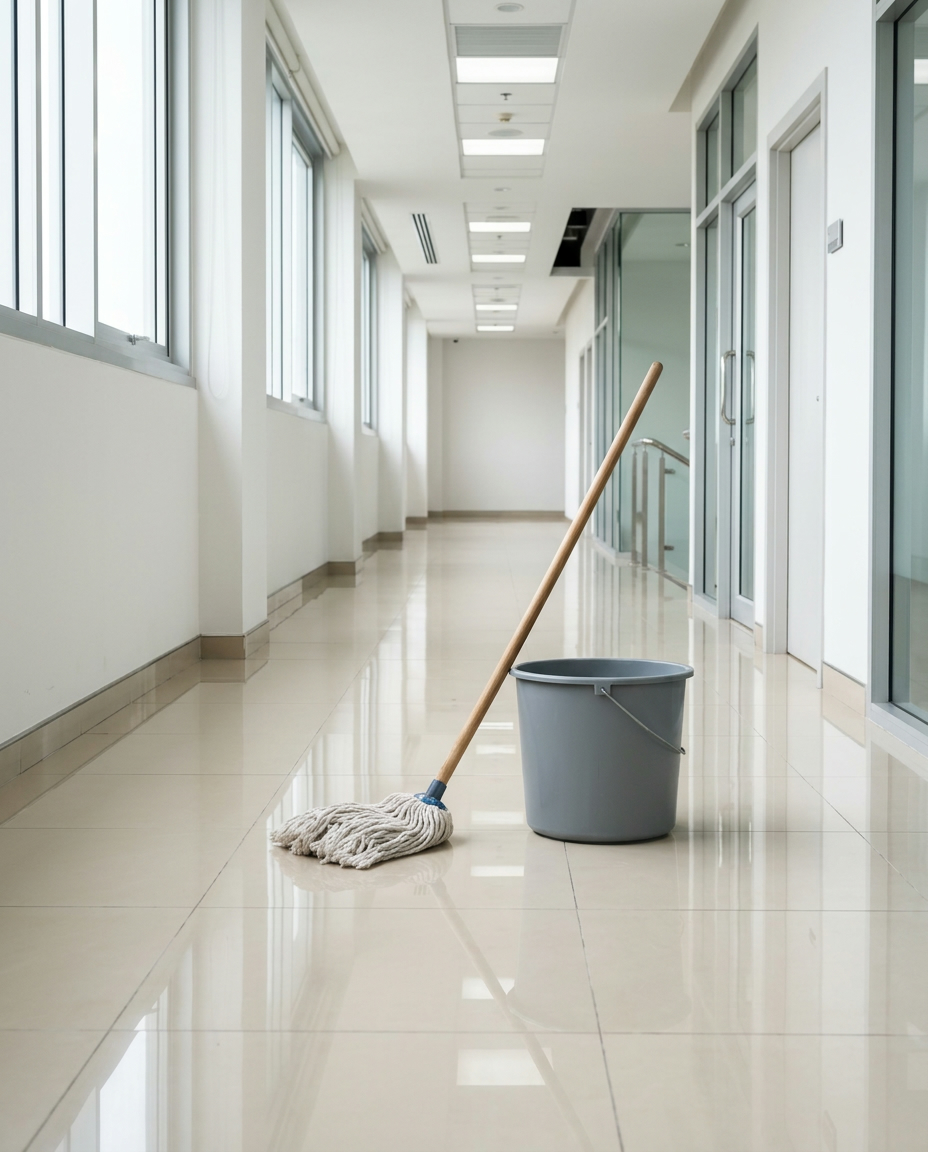
Clean, sanitise, disinfect: three different jobs
Cleaning removes dirt and grease. Sanitising lowers germs to a safe level. Disinfecting kills most germs on a surface. A disinfectant works best on a surface that is already clean, because dirt and grease get in its way. Clean first, then disinfect.
What is in a disinfectant?
Common active ingredients are alcohol, chlorine (bleach), hydrogen peroxide and quaternary ammonium compounds, often called quats or QACs. Bionic QAC Disinfectant Pine is a QAC-based product with a pine scent. It is a no-rinse formula made to kill 99.9% of germs and bacteria.
How to use a disinfectant: spray, wipe and mop
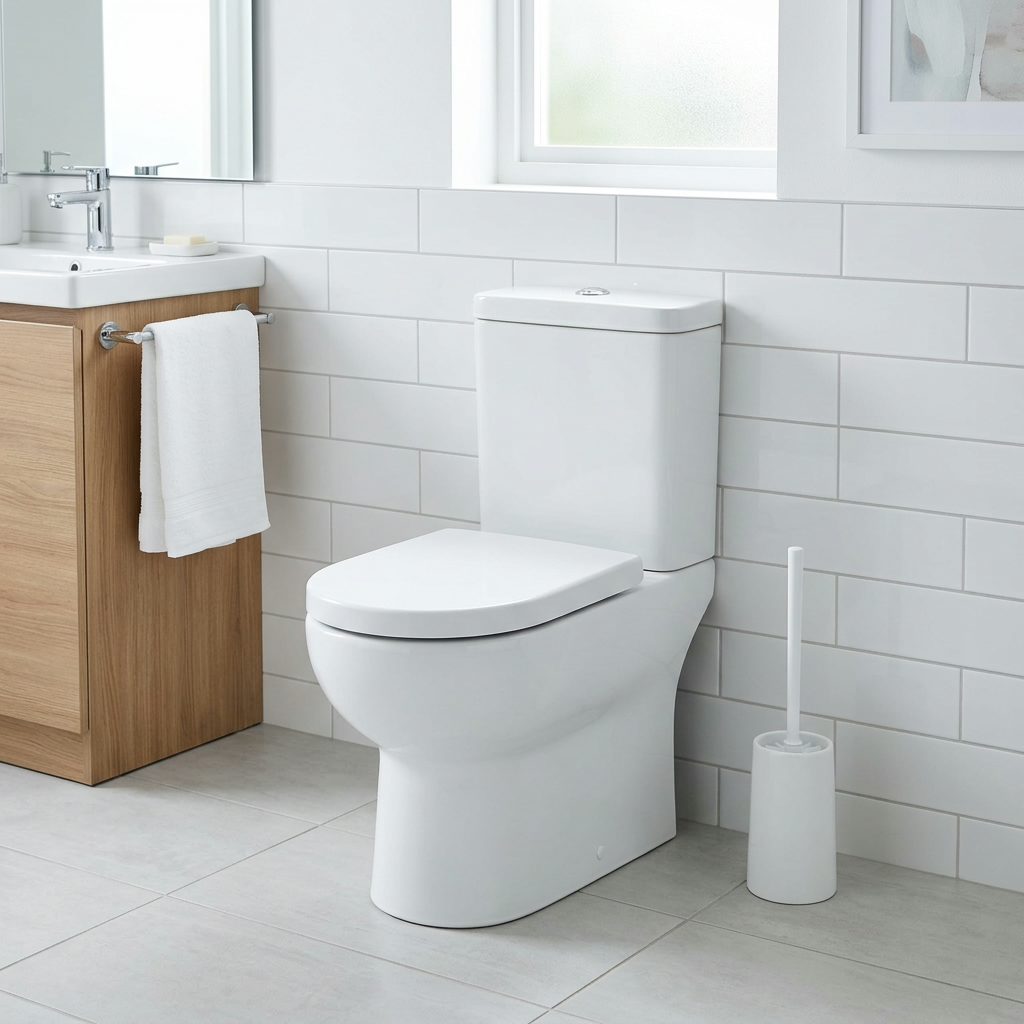
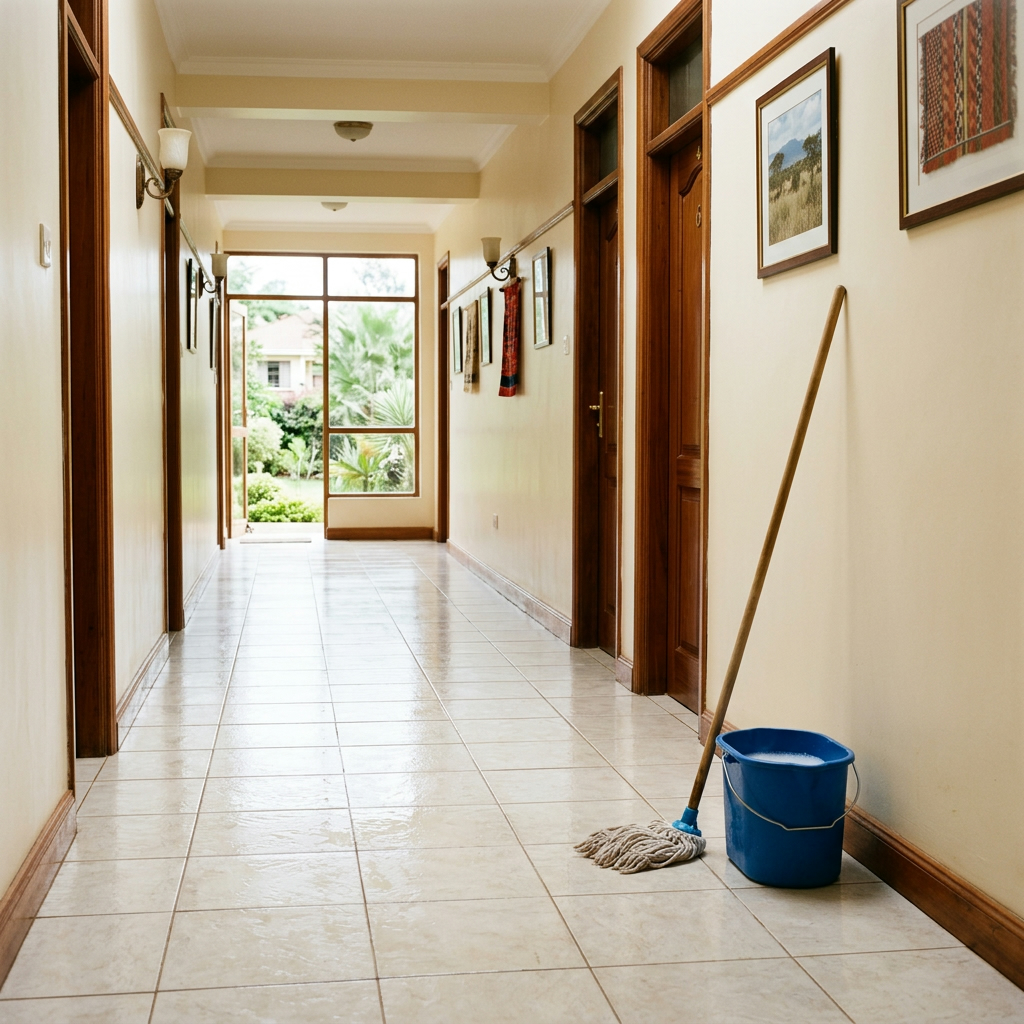
For surfaces, spray and wipe. For floors, dilute as the label says and mop. In bathrooms, apply to the surface, leave it for 5 to 10 minutes, then wipe. Always follow the dilution on the pack: stronger is not better, it only wastes product.
Contact time: why you must wait
A disinfectant needs time to work. If you wipe it off straight away, many germs survive. Keep the surface visibly wet for the time on the label, then wipe or let it dry.
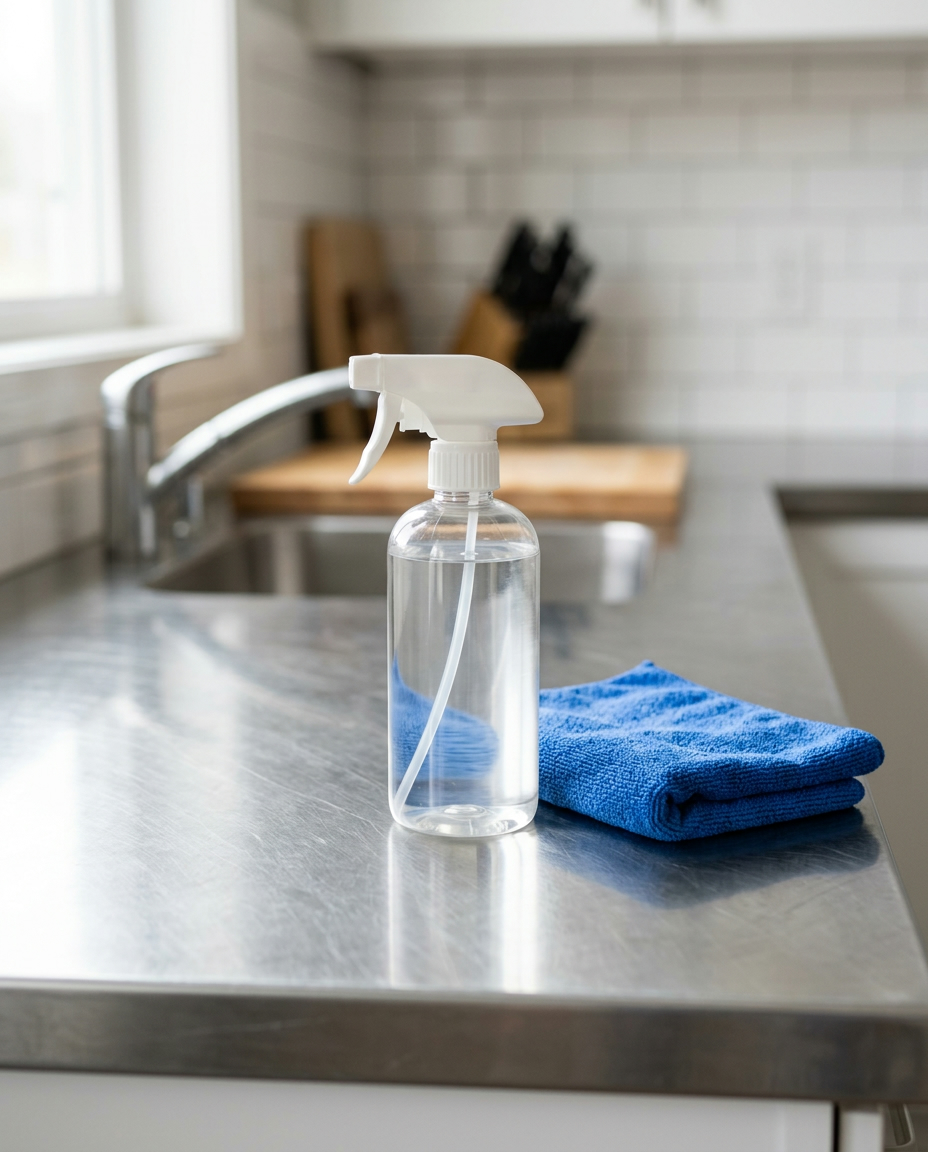
Using disinfectant safely
Wear gloves. Open a window or door for air. Never mix a disinfectant with bleach or other cleaning products. Keep it away from children, food and food-contact surfaces unless the label says it is safe for them. Store it sealed, in its own container.
Buying in bulk: what to compare
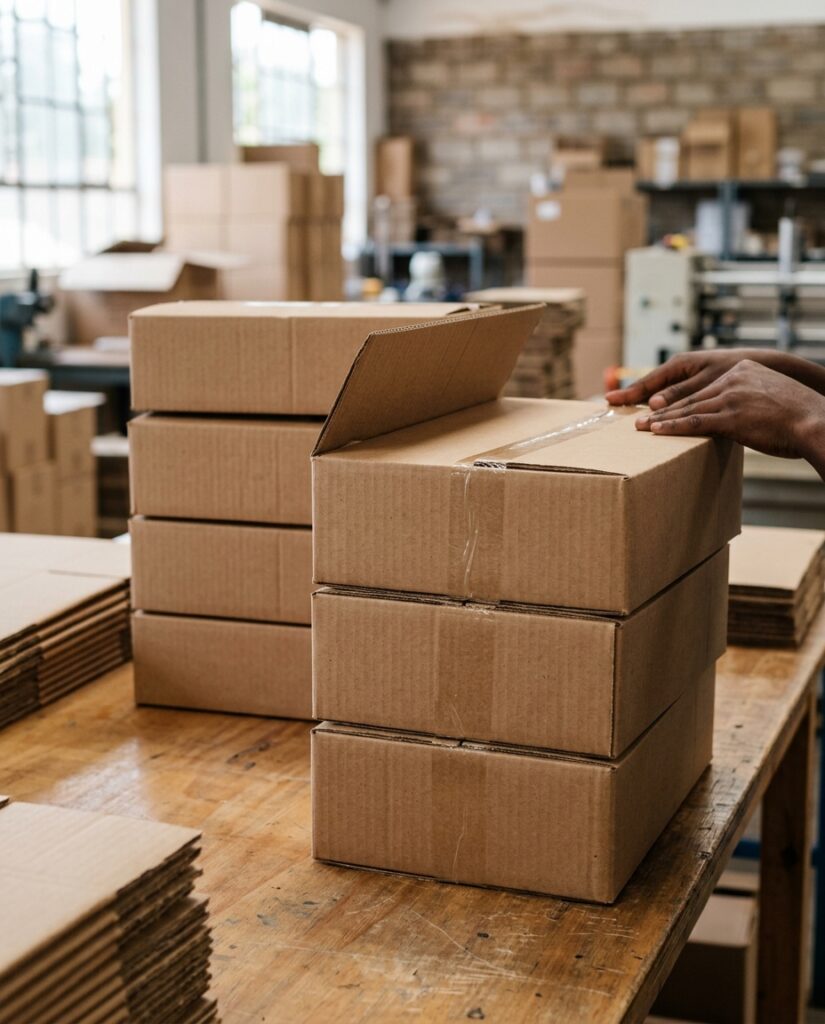
Hotels, schools and offices should compare the cost per litre of diluted product, not the price per bottle. A concentrated disinfectant in a larger pack usually costs less per clean. Bionic QAC Disinfectant Pine is supplied in cartons of 4 x 5 litres, with a two-year shelf life.
Frequently asked questions
What are the uses of disinfectants?
To kill germs on floors, bathrooms, kitchens, door handles and equipment.
What are examples of disinfectants?
Bleach, alcohol-based products, hydrogen peroxide and QAC disinfectants such as Bionic QAC Pine.
What is the most commonly used disinfectant?
Bleach and QAC-based products are two of the most widely used for general surfaces.
See the product
Ask about Bionic QAC Disinfectant Pine, pack sizes or bulk orders. WhatsApp or call 0722 206902, or send an enquiry. See the range: Bionic QAC Disinfectant Pine.