A good finish starts with the brush, not the paint. Streaks, shed bristles and ragged edges usually trace back to the wrong brush for the job. This guide explains the main types, which size to pick, and how to look after your brush, using the Wilkinson range as the example.
The main types of paint brush
For decorating walls, doors and trim you want a flat brush or an angled brush. Flat brushes hold plenty of paint and cover wide areas. Angled brushes make it easier to paint a straight edge. Round brushes suit small details. Thin artist brushes are made for canvas and craft, not for walls, so do not buy a set sold for drawing when you are painting a room.
Which size for which job
Match the width of the brush to the surface. A narrow brush gives control; a wide brush covers ground quickly.
- 1 to 1.5 inch: window frames, skirting boards and touch-ups.
- 2 to 2.5 inch: doors, shelves and small furniture.
- 3 to 4 inch: walls and fences in small areas.
- 5 to 6 inch: large flat walls, gates and fences.
Wilkinson Paint Brushes come in 1, 1.5, 2, 2.5, 3, 4, 5 and 6 inch, so one supplier covers every job on the list.
Synthetic or natural bristles
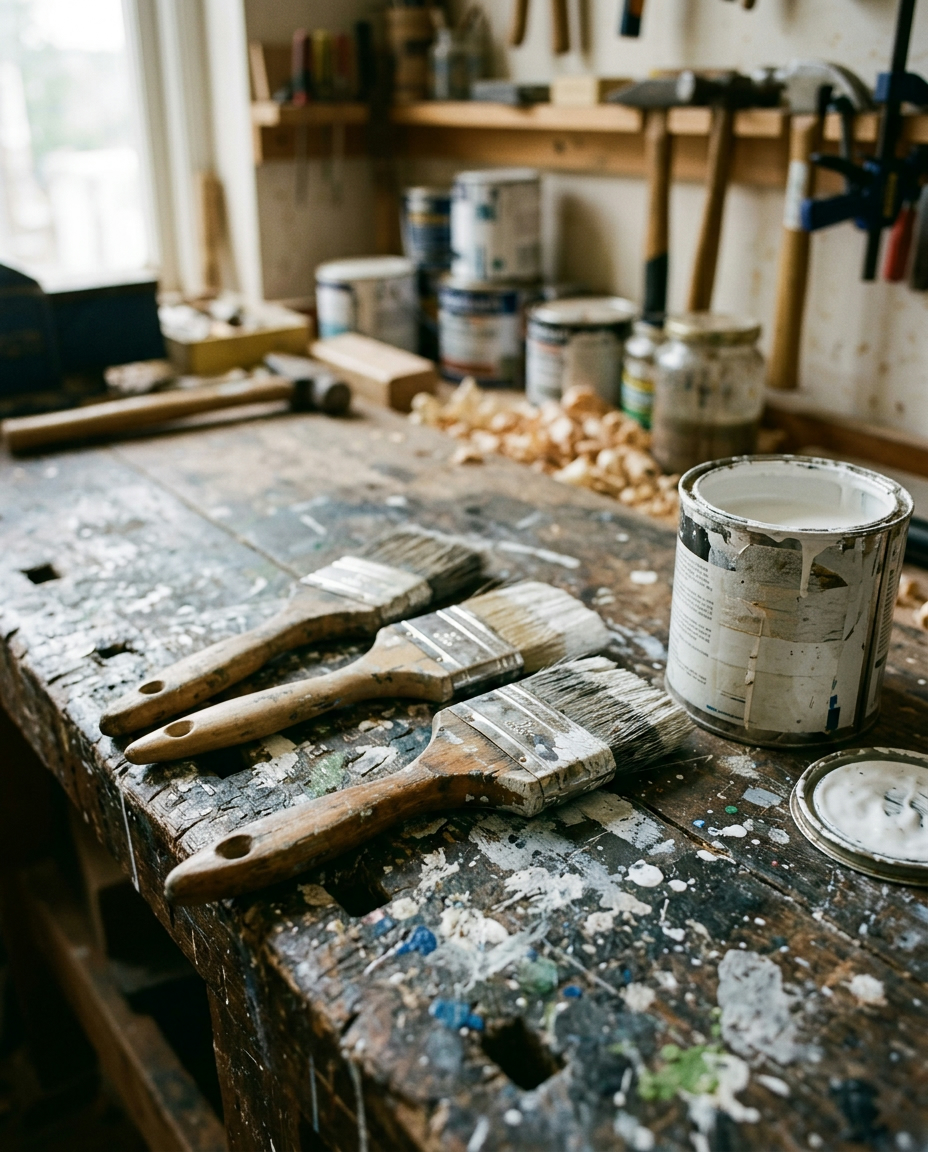
Natural bristles hold plenty of paint and give a smooth finish with oil-based paints and varnish. Synthetic bristles keep their shape and suit water-based paints. Wilkinson brushes are firmly set and non-shedding, and are made to work with water-based and oil-based paints, so you can use one brush type across most jobs. Check the pack for the bristle type you want.
Brush or roller?
A roller covers a large flat wall faster. A brush does the edges, corners, trim and textured areas that a roller cannot reach. Most professional painters use both: brush the edges first, then roll the middle.
How to paint a wall with a brush
- Clean the wall and cover the floor and furniture.
- Stir the paint well.
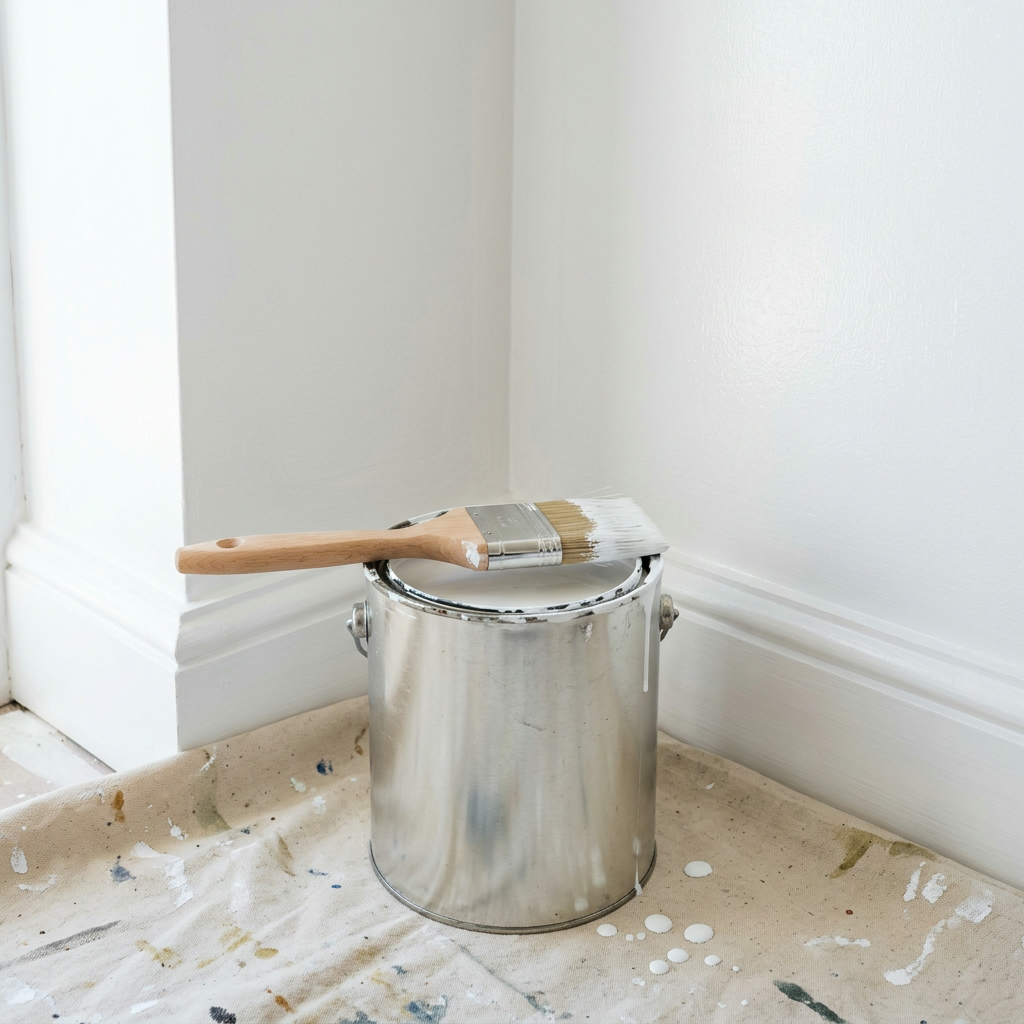
- Dip about one third of the bristles into the paint and tap off the extra on the tin. Do not wipe it hard on the rim.
- Cut in: paint a band along the ceiling, corners and edges first.
- Work in sections, using long, light, even strokes in one direction.
- Keep a wet edge, so each new stroke blends into the one before it.
- Let the first coat dry fully before the second.
Cleaning and storing your brush
Wipe off the extra paint straight away. Wash water-based paint out with warm soapy water. For oil-based paint, use the thinner recommended on the tin, then wash with soap and water. Shape the bristles, let the brush dry, then store it flat or hanging so the bristles do not bend.
What to check when you buy
Look for firmly set bristles that do not shed, a comfortable grip, and the size you actually need. Contractors save by buying a full carton: Wilkinson brushes are packed 12 to a carton. Ask for the size range that matches your jobs, not just the cheapest brush.
Frequently asked questions
What type of paint brush is best?
For walls, doors and trim, a flat or angled brush with firmly set, non-shedding bristles is the best everyday choice.
What are the common brush sizes?
From 1 inch for detail work up to 6 inch for large flat surfaces.
What shape brush is best?
Flat for covering area, angled for clean edges, round for small details.
See the product
Ask about Wilkinson Paint Brushes, pack sizes or bulk orders. WhatsApp or call 0722 206902, or send an enquiry. See the range: Wilkinson Paint Brushes.