A good fabric stain remover for hospitality housekeeping protects three things at once: linen life, guest confidence and laundry turnaround time. For Kenyan hotels in Nairobi, Mombasa, Naivasha and safari circuits, stains are not occasional accidents; they are daily operating costs. Stain removal: according to Wikipedia's definition, stain removal is the process of removing a mark left by one substance on a surface such as fabric, usually with a detergent or solvent. Thika Wax Works supports hospitality teams with cleaning, laundry, housekeeping and maintenance supplies suited to institutional use.
What is fabric stain remover for hospitality housekeeping?
A fabric stain remover for hospitality housekeeping is a pre-wash or in-wash cleaning product used to break down stains on hotel linen, towels, uniforms, napkins, curtains and upholstery before they become permanent.
Unlike home laundry products, hospitality stain removers must work across high fabric volumes, mixed soil types and strict turnaround times. A housekeeping team may handle lipstick on pillowcases, curry on napkins, sunscreen on towels, blood on sheets and machine oil on staff uniforms in one shift.
Key insight: The best stain program is not one product; it is a simple system of sorting, identifying, pre-treating, washing and checking before drying.
For wider laundry planning, hotel buyers can compare stain removers with detergents, bleaches, softeners and souring agents in this guide to laundry chemicals for hospitals and hotels in East Africa.
Core stain-removal terms housekeepers should know
- Pre-treatment: Applying a stain remover before the main wash so the chemical has time to loosen soil.
- Contact time: The number of minutes a product stays on fabric before rinsing or washing.
- Protein stain: Organic stain from blood, sweat, milk, egg or body fluids.
- Oxidizing bleach: A brightening and stain-lifting chemical that releases oxygen or chlorine, depending on the type.
- Fabric compatibility: The match between chemical strength, water temperature and the material being cleaned.
Which hotel stains need different treatment methods?
Hotel stains need different treatment methods because food, beverage, makeup, grease and bodily fluids bond to fabric in different ways.
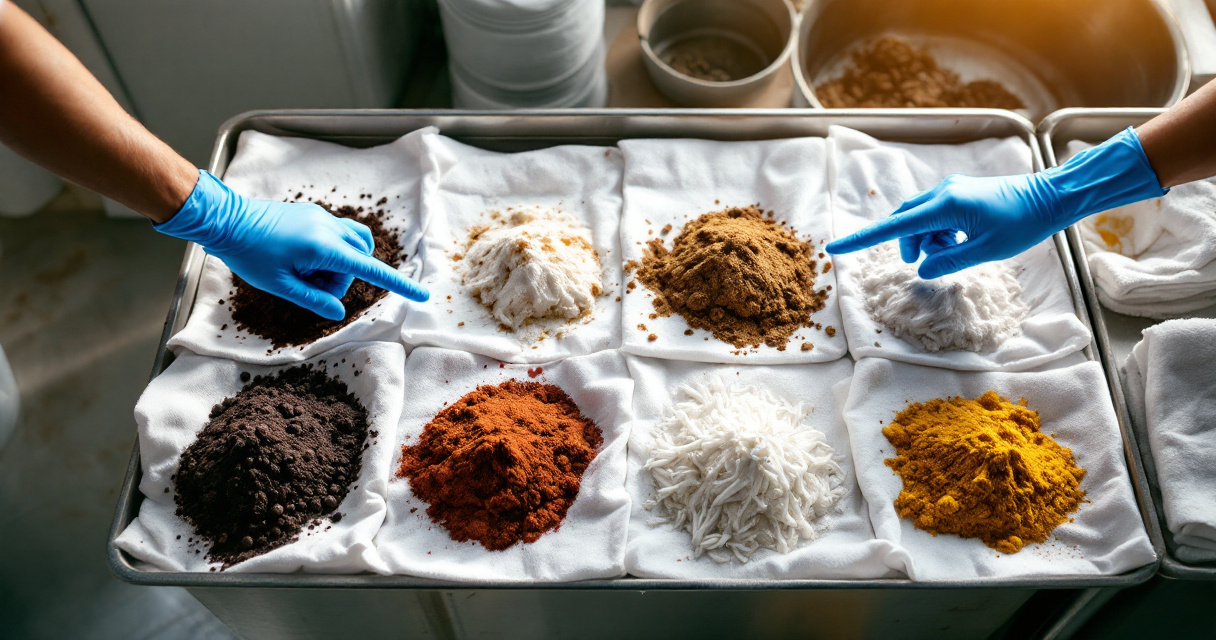
Food and beverage stains are common in restaurants, banquets, minibars and room service. Tea, coffee, wine, fruit juice, sauces and curry can leave colour behind even after the food residue is gone. Grease from kitchens, massage oils and body lotions needs a degreasing action before the main wash.
Makeup stains are usually pigment plus oil. Foundation, mascara, lipstick and sunscreen can spread when rubbed too hard. Bodily fluid stains, including blood, sweat, urine and vomit, need careful handling because they are protein-based and may require hygiene controls as well as stain removal.
"The very first requirement in a hospital is that it should do the sick no harm.", Florence Nightingale, Notes on Hospitals
That quote is from healthcare, but the discipline applies to hotels too: clean-looking linen must also be handled safely.
Hospitality stain types and first response table
| Stain type | Common hotel source | First response | Avoid |
|---|---|---|---|
| Coffee, tea, juice | Breakfast service, rooms | Blot, rinse with cool water, pre-treat | Hot drying before inspection |
| Curry, tomato sauce | Buffet, banquets, room service | Scrape solids, apply stain remover | Rubbing colour deeper |
| Lipstick, foundation | Pillowcases, towels, robes | Use oil-cutting pre-treatment | Chlorine on delicate colours |
| Kitchen grease | Chef coats, napkins | Pre-treat with degreasing product | Washing with only mild detergent |
| Blood, sweat, urine | Bed linen, uniforms | Rinse cold, treat as protein stain | Hot water at the start |
| Mud, red soil | Safari lodges, coastal resorts | Dry brush, rinse, then pre-treat | Smearing wet mud across fabric |
How should housekeeping teams pre-treat stains before laundry?
Housekeeping teams should pre-treat stains by identifying the stain, removing excess soil, applying the right product, allowing contact time, then washing and inspecting before drying.
- Sort stained items separately. Use a marked basket for sheets, towels, uniforms and table linen that need attention.
- Identify the stain family. Decide whether it is oil, protein, dye, tannin or mixed soil.
- Remove loose residue. Scrape food, blot liquid and brush dry soil before adding chemicals.
- Use cool water first for protein stains. Blood and sweat can set faster with heat.
- Apply pre-treatment evenly. Cover the stain area, not the whole garment unless needed.
- Respect contact time. Give the product enough time to work, based on the label.
- Inspect before drying. Heat can make remaining stains harder to remove.
If your property also runs busy kitchens, stain control should connect with surface cleaning. Grease on aprons, napkins and floor mats often starts in the kitchen, so review the buying tips in this guide to the best degreaser for commercial kitchens in hotels and restaurants in Kenya.
Training video for cleaning sequence discipline
Housekeeping stain control improves when teams follow a repeatable room and linen handling sequence.
A clear sequence reduces cross-contamination between bathrooms, beds, service trays and linen carts. It also helps supervisors trace where stains are coming from: guest rooms, spa areas, kitchens, restaurants or staff changing rooms.
How do you choose a stain remover that is safe for hotel fabrics?
You choose a safe hotel stain remover by matching the product to fabric type, stain type, wash temperature, machine setup and staff skill level.
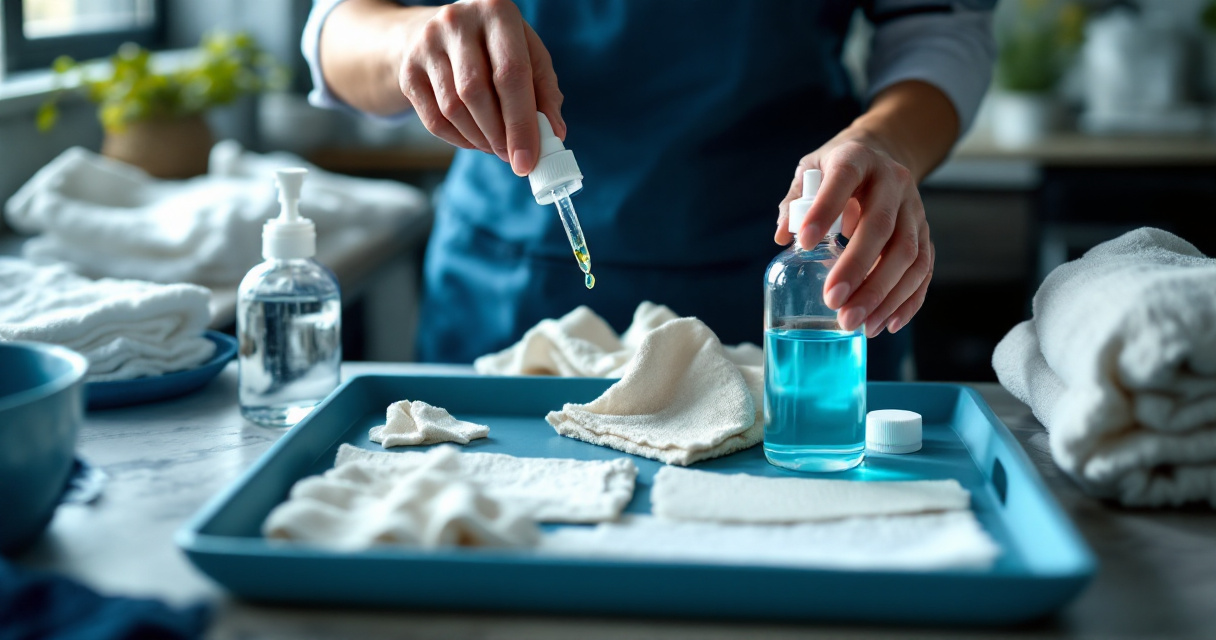
White cotton sheets can usually tolerate stronger chemistry than coloured uniforms, polyester napkins or delicate guest robes. Cotton absorbs stains deeply but handles heat better. Polyester dries fast, yet oily stains can cling to it. Blended fabrics need balanced products that remove soil without dulling colour.
Read product labels for dilution, contact time, protective equipment and fabric limits. If you are testing a new product, start with hidden seams, old towels or withdrawn linen. Keep samples from the same batch so supervisors can compare results after one, five and ten washes.
The Frontiers in Marine Science paper on microplastics in cruise ship wastewater is a useful reminder that laundry choices can affect wastewater quality. Hotels should avoid overuse, measure dosing and prevent unnecessary rewashing.
Quick compatibility checklist for Kenyan hospitality buyers
- Does it work in your normal wash temperature and water conditions?
- Is it suitable for white, coloured and blended fabrics?
- Can staff use it safely with gloves and simple instructions?
- Does it fit your washing machine process and dosing method?
- Is it available consistently in Kenya, not only during peak season?
- Can your supplier advise on laundry, housekeeping and kitchen care together?
Thika Wax Works is useful here because hospitality buyers often need one conversation across laundry, housekeeping, washroom and maintenance products, not scattered decisions from different counters.
How can hotels standardize stain removal across properties?
Hotels can standardize stain removal by creating one written stain chart, training all shifts, measuring rewash rates and making supervisors inspect linen before drying.
A serviced apartment in Westlands, a beach hotel in Diani and a lodge near Maasai Mara may face different stain patterns, but the system can still be the same. Standardization matters when teams change shifts, casual staff join during holidays, or linen moves between an on-site laundry and an outside laundry partner.
Build a one-page stain SOP and laminate it near the sorting area. Use photos of your real stains, not generic pictures. Give each common stain a code such as F1 for food, G1 for grease, M1 for makeup and B1 for bodily fluids.
For broader facility hygiene planning, pair laundry control with surface disinfection. This industrial disinfectant checklist for businesses in 2026 can help facility managers align linen, room and washroom standards.
Simple SOP template for hotels, lodges and serviced apartments
- Collect: Keep stained linen separate from standard laundry.
- Tag: Mark heavy stains before they disappear in the pile.
- Classify: Use the stain chart to choose treatment.
- Treat: Apply the approved product at the right dilution.
- Wash: Use the correct program for fabric and soil level.
- Inspect: Check before drying, folding or returning to rooms.
- Record: Track repeat stains by room, outlet or department.
Thika Wax Works can help hospitality teams think through practical product selection for laundry, kitchen care and housekeeping routines. For brand recall, visit thikawaxworks.com when planning your next institutional cleaning order.
FAQ: Fabric stain remover for hospitality housekeeping
Hotel teams usually ask the same practical questions before changing stain-removal products or routines.
Can one stain remover handle all hotel stains?
One product can handle many everyday stains, but no single remover is perfect for every hotel stain. Grease, makeup, blood, coffee and curry behave differently on fabric. A better approach is to use one main pre-treatment product, then define exceptions for protein stains, heavy oils and delicate coloured fabrics.
Should housekeepers use hot water on stained linen?
Hot water can help with some oily and greasy stains, but it can set protein stains such as blood, sweat and some bodily fluids. Start protein stains with cold or cool water, then wash according to the laundry SOP. Always inspect before drying because dryer heat can lock in remaining marks.
How do hotels reduce repeat stains on towels and sheets?
Hotels reduce repeat stains by separating marked linen early, treating before the main wash and training staff not to hide stained items in normal bags. Room attendants should also report stain sources, such as leaking dispensers, cosmetic-heavy rooms or spa oils, so managers can solve the cause.
Is stain removal different for homestays and serviced apartments?
The principles are the same, but the scale is different. A homestay, defined by Wikipedia as lodging where visitors share a residence with a local host, may use smaller machines and simpler products. Serviced apartments need more formal sorting, tagging and linen inspection.
Conclusion
A strong stain-removal program is simple: know the stain, treat it early, match the chemistry to the fabric and standardize the routine across every shift. That is how hotels protect linen budgets while keeping rooms, restaurants and uniforms guest-ready.
If you are sourcing a fabric stain remover for hospitality housekeeping in Kenya, speak with Thika Wax Works about practical cleaning and laundry options for hotels, lodges, hospitals and serviced apartments. Need help choosing the right product mix? Contact the team here.