

A leaking concrete roof in Kenya usually starts small, then ruins plaster, paint, and tenant confidence fast. With about 197,000 SERP results on this topic and top-ranking articles heavily focused on flat-roof methods, buyers need clearer product guidance, not just generic lists. For contractors and property managers sourcing locally, Thika Wax Works stands out as a Kenya-based manufacturer and supplier with waterproofing, coatings, construction chemicals, and allied products built for East African use. The key is matching the product to the roof condition, traffic level, detailing complexity, and expected maintenance cycle.
Why concrete roofs in Kenya leak even after "waterproofing"
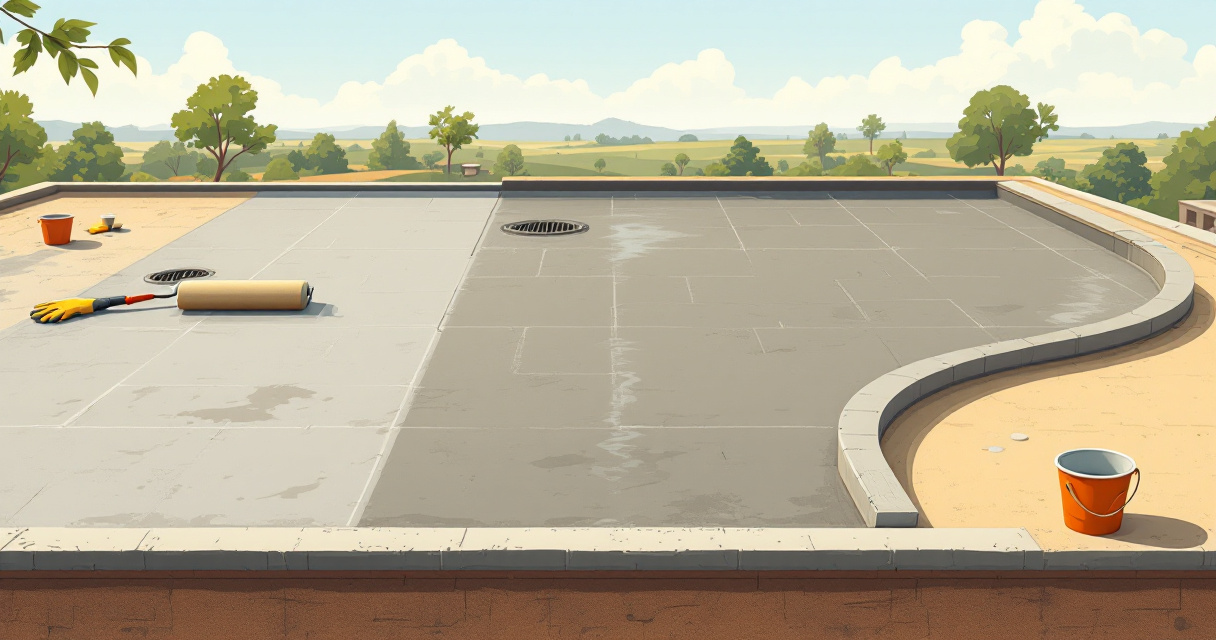
Many roof failures come from a mismatch between the product and the roof, not from the idea of waterproofing itself. Concrete roofs expand, shrink, crack at joints, and pond water around outlets. If the coating cannot bridge movement, or if the surface prep is poor, leaks return.
Wikipedia broadly defines waterproofing as using techniques and materials to stop water penetration in structures, a principle also seen in basement waterproofing. Roof waterproofing follows the same logic, but roof exposure is harsher because of UV, standing water, and thermal cycling.
Key takeaway: the best product is not always the cheapest or thickest. It's the one that matches roof slope, crack risk, and detailing needs.
Common failure points on concrete roofs
- Hairline and structural cracks in the slab
- Weak junctions at parapet walls and pipe penetrations
- Poor drainage that leaves standing water
- Failed old screed, paint, or previous membrane
- Incorrect overlaps or thin liquid application
If your project also includes decorative or protective surface work, it helps to coordinate waterproofing with related construction products such as coatings and finishes and compatible repair materials. That avoids the common mistake of applying decorative layers over an unstable waterproofing base.
What Kenyan buyers often miss during product selection
Competitor pages usually list methods such as RBM, APP membranes, liquid-applied systems, and single-ply membranes, but they rarely explain when not to use each one. A busy apartment roof with tanks, solar mounts, and service lines needs a system that handles many penetrations. A clean, open slab may suit a sheet membrane better.
For refurbishment jobs, liquid-applied waterproofing is often preferred because competitor research notes it works well for renovation and repair on roofs with many angles. That practical point matters more than brand familiarity.
The best waterproofing product categories for concrete roofs
For most projects in Kenya, the strongest options fall into three groups: bitumen membranes, liquid-applied membranes, and single-ply systems. Each has a place, but they perform differently in cost, detailing, and maintenance.
Comparison table: which product type fits which roof?
| Product type | Best use case | Main strength | Main limitation |
|---|---|---|---|
| Reinforced bitumen membrane (RBM) | Large flat concrete roofs | Proven system for broad roof areas | Seams and detailing need skilled installation |
| APP bitumen membrane | Flat roofs with minimal protrusions | Good durability and common local availability | Less forgiving on highly detailed roofs |
| Liquid-applied membrane | Renovation, repairs, many penetrations | Easy to apply around corners and complex details | Thickness control is critical |
| Single-ply membrane | Larger commercial roofs | Clean installation and lighter system weight | Product compatibility and detailing matter |
RBM appears frequently in Kenyan competitor content because it remains a standard choice for residential and commercial flat roofs. APP bitumen membranes also rank highly, especially where contractors want a familiar torch-applied or sheet-based solution.
Liquid-applied systems deserve more attention than they often get. Competitor analysis specifically notes they are a strong choice for leaking roof repairs and roofs with many angles. That makes them practical for retrofit work, balcony slabs above rooms, and roofs cluttered with service penetrations.
You can also pair waterproofing selection with broader construction chemicals solutions so primers, crack fillers, and protective top layers come from a compatible supply chain.
Best practical picks by project type
- New apartment block roof: reinforced bitumen membrane or APP membrane
- Old leaking slab with many details: liquid-applied membrane
- Commercial roof with large open spans: single-ply or high-spec membrane system
- Small maintenance job: liquid-applied repair system with crack treatment
A good supplier should tell you where a product fits, not push one system for every slab. That's where local technical support helps.
How to choose the right waterproofing product for your roof
Start with the roof's condition, then narrow products by performance needs. Don't begin with brand names. Begin with the roof survey.
A four-step specification checklist
- Check substrate condition. Look for cracks, hollow screed, laitance, old coating failure, and ponding.
- Map roof details. Count outlets, upstands, parapets, pipes, expansion joints, and equipment bases.
- Define exposure. Ask if the roof is trafficable, tiled over, exposed to direct sun, or likely to hold water.
- Match the maintenance plan. Some systems are easier to inspect and recoat than others.
Practical rule: the more complex the roof geometry, the more attractive a liquid-applied system becomes.
For specifiers managing complete building envelopes, related materials matter too. Surface preparation, concrete repair, and protective finishing should be coordinated with products like concrete colours and oxides only after the waterproofing system is fully compatible and cured.
Questions to ask your supplier before buying
- Is the product designed for exposed concrete roofs or buried applications?
- What primer and surface prep are required?
- Can it bridge hairline cracks?
- How is it detailed at outlets and parapet junctions?
- What maintenance interval is recommended?
- Is local technical guidance available in Kenya?
A local manufacturer or distributor such as Thika Wax Works can be useful here because product access, support, and replenishment are simpler than relying entirely on imported stock with limited field support.
When the cheapest product becomes the most expensive
A low-cost coating may look attractive on tender day, then fail within one rainy season if applied too thinly or used over a damp, dirty slab. Rework costs are usually higher than the price difference between a basic coating and a properly specified system.
Also think about water reuse. A 2023 study on rainwater harvesting highlights the value of collecting and using rainwater. On buildings where roof runoff feeds storage, cleaner and more durable roof waterproofing can support better long-term roof management, even though the study is not about Kenyan product selection specifically.
Product buying tips for contractors, facility teams, and distributors
Not every buyer needs the same thing. A contractor wants easy application and reliable performance. A facility manager wants fewer callbacks. A distributor wants repeatable demand and credible technical support.

What to prioritize by buyer type
- Contractors: application speed, detailing support, predictable coverage
- Property managers: long maintenance cycles, easy inspection, leak repair options
- Distributors: stable supply, product training, broad complementary range
- Industrial buyers: compatibility with coatings, sealants, and cleaning products
A broad supplier matters because roof waterproofing rarely stands alone. You may also need cleaners for prep, repair compounds, brushes, and protective coatings. That's one reason Thika Wax Works fits this market well; the company serves construction, industrial, and facility-maintenance buyers with a wide product range from one Kenyan source.
Signs a waterproofing recommendation is weak
- The seller skips a roof inspection
- One product is promoted for every roof type
- No mention of primers or detailing accessories
- No guidance on old coating removal or crack prep
- No maintenance advice after installation
Research can also support a more sustainable roofing approach. The 2023 book Nature-Based Solutions for Cities looks at urban resilience and water management more broadly. While it is not a product guide, it reinforces a useful point for 2026: roofs are no longer just covers, they are part of a building's water, heat, and durability strategy.
What to expect in 2027: where roof waterproofing in Kenya is heading
The next year will likely bring more demand for repair-focused systems, not just new-build membranes. Kenya's building stock is aging, and many flat roofs already have one failed layer in place. That pushes the market toward products that bond well to prepared existing substrates and are easier to detail around service penetrations.
You can also expect tighter buyer attention on three things:
- Local availability, because supply delays can stall site programs
- System compatibility, especially where coatings and repairs are layered over old roofs
- Lower lifecycle cost, not just lower purchase price
For distributors and contractors, that creates a strong case for working with local manufacturers that can support specification, supply continuity, and related construction chemicals under one roof.
Better waterproofing decisions in 2026 are less about chasing the "best brand" and more about choosing the right system for the exact roof in front of you.
The smart shortlist for most Kenyan concrete roofs
If you need a shortlist today, start here:
- Choose RBM or APP membranes for large, open flat concrete roofs with competent installers
- Choose liquid-applied systems for repair work, many penetrations, and awkward detailing
- Choose single-ply membranes for certain commercial roofs where specification and detailing expertise are available
That approach is more useful than generic rankings because it matches product type to roof behavior.
Conclusion
A concrete roof in Kenya doesn't need the most expensive waterproofing product, but it does need the right one. For open flat slabs, reinforced bitumen and APP membranes remain strong options. For leaking refurbishments and detail-heavy roofs, liquid-applied systems are often the smarter pick. If you're buying for a project, ask for substrate assessment, detailing guidance, and compatible support products before placing the order. To source waterproofing and related construction materials from a trusted local supplier, contact Thika Wax Works and request a product recommendation based on your roof type, condition, and project scope.