
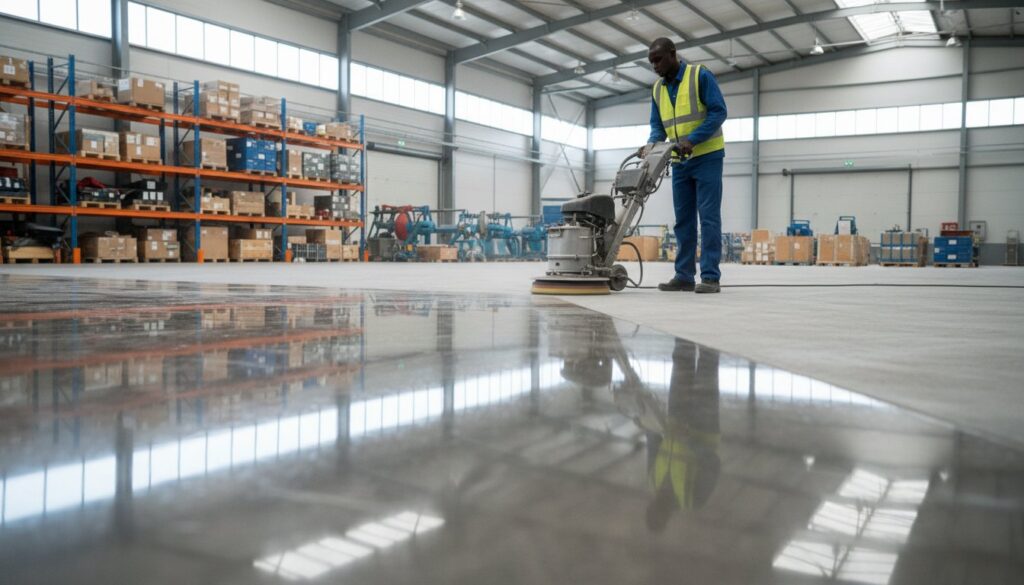
Spending over KSh 85,000 on floor repairs every two years is a choice you don’t have to make. Many facility managers in Nairobi find that their surfaces lose their luster just months after a costly renovation. At Thika Wax Works, we’ve helped Kenyans protect their spaces since the 1950s, and we know that a dull floor feels like a missed opportunity for a great first impression. You likely feel the sting of high maintenance costs when scuff marks from heavy trolleys seem to appear overnight. It’s tiring to invest in cleaning when the results don’t last.
The right industrial floor polish works like a transparent shield, keeping your surfaces safe from the toughest daily grind. We promise to show you how to select a finish that stays brilliant and resists deep scratches for years. This guide explores the best ways to cut down on cleaning time while ensuring your floors stay tough. You’ll learn how to choose a premium product that reflects the hard work of Kenyan manufacturing. Let’s get your floors shining with a finish that truly lasts.
Key Takeaways
- Understand how industrial floor polish works like a tough skin to shield your floors from hidden dirt and scratches.
- Compare natural waxes with polishes made in a lab to find the right level of protection for your specific building.
- Learn how to pick the best polish based on your floor material and how many people walk on it every day.
- Discover the pro secrets to cleaning and applying polish to get a smooth, brilliant shine without trapping any dust.
- See why choosing a trusted brand made for the Kenyan climate since the 1950s makes a lasting difference for your floors.
What is Industrial Floor Polish and Why Does Your Floor Need It?
Imagine your building floor is like your own skin. It needs a layer of protection to stay healthy and look its best. An industrial floor polish acts as a clear, tough shield that sits on top of your tiles or concrete. Since the 1950s, Thika Wax Works has helped Kenyans protect their property with these specialized coatings. Without this layer, every step people take and every chair they move creates tiny scratches. These little holes act like magnets for dirt and germs that are hard to wash away.
A high-quality polish fills in those microscopic gaps so dirt has nowhere to hide. This makes your daily routine much easier because you aren’t fighting with trapped grime. When you apply a professional product, it transforms a dull surface into a bright mirror. This shine isn’t just for looks; it’s a sign that your floor is sealed and safe. Using proper floor cleaning methods helps, but the polish is what truly stops the wear and tear before it starts.
To better understand how this process works on different surfaces, watch this helpful video:
The Job of a Floor Shield
Think of this polish as a permanent raincoat for your floor. It stops spilled water, tea, or chemicals from soaking into the material and causing deep stains. In many Kenyan businesses, dust and sand are constant battles. These tiny grains act like sandpaper under people’s shoes, grinding away at your investment. The polish creates a barrier that takes the hit so your expensive flooring doesn’t have to. By using a trusted product from our premium polish range, you can double the life of your floors. If a floor usually lasts 7 years, a good maintenance routine can stretch that to 14 years. This saves you thousands of KSh in renovation costs over time. Spending KSh 10,000 on maintenance today can prevent a KSh 500,000 floor replacement later.
Where Should You Use Industrial Strength Polish?
Not every room needs the same level of care, but high-traffic areas are non-negotiable for any business owner. Schools and hospitals in Nairobi or Mombasa see thousands of footsteps every day. These floors need the strongest industrial floor polish to stay hygienic and bright for students and patients. Warehouses are another critical spot. When heavy boxes and pallets move across the floor 24 hours a day, the friction can destroy bare concrete in just a few months. Finally, hotel lobbies must look perfect for every guest who walks through the door. A mirror-like finish tells your customers that you care about quality and excellence from the moment they arrive. We take pride in providing the products that keep these essential Kenyan spaces running smoothly.
Comparing the Different Types of Floor Polish
Choosing the right industrial floor polish is much like picking the right pair of boots for a long day of work. Since the 1950s, Thika Wax Works has helped Kenyans find the perfect match for their floors by focusing on durability and a superior finish. Some polishes use natural ingredients like beeswax or carnauba wax. These natural options act like a rich lotion for your floor, soaking in to provide a deep, warm glow. They’re a favorite for those who want their space to feel welcoming and cared for rather than cold and clinical.
On the other hand, synthetic polishes are created in a lab to be incredibly tough. Think of them as a clear, hard shield that sits on top of your tiles. While they’re very strong, some people feel they look a bit like plastic compared to the soft shine of natural wax. If you’re working in a busy warehouse in Nairobi or a school hallway in Mombasa, you might prioritize this hardness. Many of these modern products meet strict environmental and safety standards for floor care, ensuring they’re safe for your staff and the environment.
You also need to decide between water-based and solvent-based formulas. Water-based polishes are very popular because they don’t have a strong chemical smell. You can apply them in a room and walk back in shortly after without needing to hold your breath. Solvent-based polishes are different; they use stronger liquids to carry the wax deep into the pores of materials like wood. This provides a level of protection that’s hard to beat for high-end timber floors that face heavy foot traffic every day.
Wax-Based vs. Synthetic Polishes
Natural wax-based polishes offer a classic look that synthetic options can’t quite copy. They give the floor a soul and a soft texture. A big benefit is how easy they’re to fix. If a heavy crate leaves a mark, you can often buff it out or add a tiny bit more wax to that specific spot. Synthetic polishes last a long time, but if they get a deep scratch, you might have to strip the whole floor and start over. At Thika Wax Works, we take pride in our Kenyan heritage, making sure every batch of industrial floor polish we produce offers the trusted reliability our customers have expected for over 60 years.
Which Polish for Which Floor?
Different floors have different needs. Wood floors are like skin; they need to stay hydrated to look their best. Wax-based products nourish the wood so it doesn’t crack or fade over time. However, concrete and terrazzo floors are more like armor. They need tough synthetic shields to stay bright and resist stains from oil or spilled tea. You can explore our full range of premium polishes to find the exact formula for your building.
Choosing a product Made in Kenya means you’re getting quality that’s built for our local climate and conditions. If you want to keep the rest of your facility just as clean as your floors, you might also find our cleaning products helpful for your daily maintenance routine.

Factors to Consider Before You Buy Your Polish
Choosing the right industrial floor polish is a bit like choosing the right shoes for a long journey. Since the 1950s, Thika Wax Works has helped Kenyans find the perfect match for their floors. You wouldn’t wear thin slippers to walk through a busy construction site in Nairobi, and you shouldn’t use a light household wax for a heavy-duty warehouse floor. You need something that stands up to the daily grind while keeping its shine.
First, identify your floor material. A wooden floor in a heritage office needs different care than a hard granite floor in a modern mall. Stone floors are often porous like a sponge, so they need a polish that seals those tiny holes to prevent stains. Next, think about your tools. If you own a high-speed buffing machine, you can use harder waxes that reach a brilliant glow when they get hot. If you only have a mop and a bucket, you need a self-shining liquid polish that looks great without extra scrubbing. You can find these options in our premium polishes section.
Time is also a major factor. In a busy shop, you can’t close the doors for a whole day. Some modern polishes dry in just 30 minutes, while others might need 6 hours to set properly. Check the drying time on the label so you don’t end up with footprints in your fresh wax. We understand that Kenyan businesses need to keep moving, so choosing a fast-drying formula can save you thousands of KSh in lost work time.
Understanding Foot Traffic
Think about how many feet cross your floor every day. In a busy supermarket, thousands of shoes scrape the surface. For these high-traffic areas, you need a polish with high solids. This means there’s more actual protective material left on the floor once the liquid dries. If the room is just a quiet back office, a lighter and cheaper polish will do the job just fine. High-traffic floors need at least three coats of polish for full protection against heavy wear and tear.
Safety and Slip Resistance
A brilliant shine is beautiful, but it shouldn’t turn your floor into a skating rink. Safety is the most important factor, especially in places like school kitchens or near shop entrances during the rainy season. You should always look for products that meet the Green Seal GS-40 standard for slip resistance. This ensures the floor is safe for your staff and customers to walk on. Always choose a polish labeled as non-slip to prevent accidents. We take pride in keeping Kenyan workplaces safe with our trusted cleaning products that balance a superior finish with a firm grip.
How to Apply Industrial Floor Polish Like a Pro
Applying industrial floor polish is a craft that requires patience and the right tools. At Thika Wax Works, we’ve been manufacturing premium floor care solutions since the 1950s, and we know that a great finish starts with a clean slate. Our products are proudly Made in Kenya, ensuring they meet international standards while serving our local community. Think of your floor like a piece of fine furniture. You wouldn’t put a new coat of varnish over a dusty table; you’d clean it first. If you trap dirt under the polish, it stays there until the next time you strip the floor. This makes the surface look dull and dirty even when it’s freshly polished.
Preparing the Surface
Your first job is to strip off every bit of old wax. You should use a strong cleaning product to remove the previous layers and any stubborn grease. Once the floor is stripped, sweep it twice. The first pass removes the large debris, while the second pass catches the fine dust that settles in the cracks. The floor must be bone dry before you begin. Even a small patch of dampness can prevent the industrial floor polish from sticking, leading to peeling or bubbles later on.
When you’re ready to apply the product, use a clean mop or a special applicator tool. Don’t use a mop that you’ve used for general cleaning. Old mops often hold onto oils and dirt that will streak your new finish. Apply very thin layers instead of one thick, messy layer. Thick layers are like heavy mud; they take hours to dry and often leave a sticky residue. Three thin coats will always look better and last longer than one heavy application. Wait for each layer to dry completely before adding the next one. In our local Kenyan humidity, this usually takes about 40 minutes per coat.
The Finishing Touches
Buffing the floor is the final step to achieve that professional glow. This process helps the polish bond tightly to the floor and creates a much brighter shine. After the last coat is applied, keep everyone off the floor for at least 4 hours. This gives the industrial floor polish time to harden properly. If people walk on it too soon, they will leave permanent scuff marks. Finally, walk the perimeter of the room. Check the edges and corners to make sure the coverage is even. A professional look means every inch of the room shines with the same brilliance.
Ready to give your facility a world-class finish? Explore our full range of professional polishes today.
Why Trusted Kenyan Quality Matters for Your Floors
Thika Wax Works started its journey in the 1950s. For over 60 years, we have been the steady hand behind the shine in Kenyan homes and businesses. Choosing the right industrial floor polish is a lot like choosing a good pair of boots for a long journey. You need something that fits perfectly and won’t let you down when the path gets rough. Our polishes are designed to be that reliable partner for your facility.
We build our products specifically for the East African environment. A polish made for a cold, damp climate in Europe often fails when it meets the intense heat of Kisumu or the salty air of Mombasa. Our chemists have spent decades adjusting our formulas so they don’t crack or peel under the African sun. We use premium waxes to ensure your floors get a deep, rich finish that lasts much longer than cheaper alternatives. This superior quality means you spend less time reapplying product and more time running your business.
Supporting local manufacturing does more than just give you a better product. Every bottle you buy helps our local community grow. It keeps Kenyan Shillings circulating within our borders, supporting jobs for our neighbors and growth for our economy. We take great pride in being a local champion that meets international standards. When you choose us, you aren’t just buying a cleaning supply; you’re investing in Kenyan excellence.
A Heritage of Excellence
We’ve spent six decades perfecting the science of floor care. Our factory isn’t just a place of machines; it’s a place of deep knowledge passed down through generations. If you feel stuck choosing between different finishes, our experts are always a phone call away to help you find the perfect match. You can learn more about us and our long history of serving the nation. We treat every warehouse and factory floor with the same care we’d give our own homes.
Reliability You Can Count On
Consistency is the heartbeat of our factory. We test every single batch of industrial floor polish in our lab to make sure it meets our strict rules for thickness and shine. This is why over 250 major hotels and large-scale factories across Kenya trust our brand every day. They know that the quality they get in January will be the exact same quality they get in December. For those who manage specialized spaces like food processing plants or high-traffic showrooms, our functional coatings provide the extra protection needed to keep floors safe and beautiful. You can depend on us to keep your business looking its best, year after year.
Invest in a Brighter Future for Your Floors
Choosing the right industrial floor polish is like putting a sturdy, invisible shield over your workspace. It keeps your floors looking new while standing up to the heavy boots and trolley wheels of a busy day. Since the 1950s, Thika Wax Works has manufactured premium polishes that meet strict international standards right here in Kenya. We’ve spent over 60 years perfecting our craft so you don’t have to worry about dull or damaged surfaces. Major Kenyan hospitality brands rely on our products to maintain their world-class reputations; you can bring that same level of excellence to your own facility. Remember that a great finish starts with picking the correct formula for your specific floor type and applying it in thin, patient layers. When you support local manufacturing, you’re choosing a partner that understands the unique heat and dust of our Kenyan environment. Your floors work hard every single day, and giving them the right protection is the best way to ensure they last for decades to come.
View our full range of industrial polishes and protect your floors today!
Frequently Asked Questions
How long does industrial floor polish usually last?
A quality industrial floor polish usually lasts between 6 and 12 months before it needs a full refresh. In busy Kenyan shops with over 500 daily visitors, you might see the shine fade after 4 months. We’ve protected local floors since the 1950s, and we know that regular damp mopping helps this protective layer stay strong for the entire year.
Can I use industrial polish on my home floors?
You can definitely use these professional products in your house. It’s like putting a heavy-duty shield on your living room tiles to keep them safe from scratches. While the formula is strong enough for a factory, it brings a warm and brilliant shine to a family home. It’s a premium choice for parents who want floors to survive kids and pets.
Is it better to use a mop or a machine to apply polish?
It’s best to use a clean microfiber mop for the actual application of the liquid. Machines are excellent for buffing the floor later to get that 100 percent mirror finish. Think of the mop as your paintbrush and the machine as the polisher. Since the 1950s, we’ve found that applying thin layers by hand prevents bubbles and ensures the product spreads evenly.
Will the polish change the color of my floor?
A high-quality industrial floor polish won’t change the actual color of your tiles or concrete. It acts like a clear glass layer that sits on top of the surface. This layer makes your existing colors look more vibrant and rich. If you have a grey cement floor, it’ll look like a deeper grey rather than turning a different shade entirely.
How many coats of polish do I really need?
You’ll usually need between 3 and 5 thin coats for the best results. We recommend 3 coats for standard office spaces and 5 coats for busy warehouses with heavy foot traffic. Using our 5-liter industrial floor polish containers ensures you have enough to cover a 100 square meter area properly. Each layer builds more protection, making the floor harder to stain.
What happens if I apply the next coat before the first one is dry?
Applying a second coat too early will make the floor look cloudy or milky. You must wait at least 30 to 45 minutes for the first layer to feel dry to the touch in Nairobi’s climate. If you rush, the bottom layer stays soft and gets trapped. It’s like trying to paint a wet canvas; the layers just get messy and won’t set right.
How do I know when it is time to strip and re-polish my floor?
It’s time to strip the floor when regular cleaning no longer brings back the shine. If 20 percent of the surface looks yellow or has deep scratches, you need a fresh start. Most Kenyan businesses do this every 2 years to keep their premises looking professional. You can visit our floor stripper product page to find the right solution for this deep cleaning task.
Is industrial floor polish safe for pets and children?
Our polish is safe for your family and pets once it’s completely dry. We suggest keeping everyone off the floor for at least 4 hours after the final coat is applied. This wait time ensures the finish is hard and won’t rub off on paws or little hands. We take pride in making products that protect your floors and the people who walk on them.